Introduction
Undulatory locomotion is one of the most fundamental and primitive modes of movement observed in the animal kingdom, particularly among vertebrates. This type of locomotion involves wave-like movements that travel down the body, allowing an animal to propel itself through its environment.
Like all vertebrates, our human ancestors evolved from fish-like creatures that used undulatory locomotion to move through water. As vertebrates transitioned from water to land, the undulatory pattern adapted, and four-legged animals exhibited a combination of undulatory movements and limb-based locomotion. Think about how an alligator propels itself through the water by undulating its tail. This same bidirectional lateral flexion of the spine also creates the thrust of the alligator’s legs as it moves over land.
Human infants exhibit undulatory movements during early developmental stages. For example, the “crawling” phase involves a coordinated, wave-like motion of the body and limbs, crucial for developing neural and muscular coordination that later supports upright walking.
When humans swim, especially when using strokes like the dolphin kick or the butterfly stroke, they employ anterior-posterior undulatory motions comparable to those seen in some aquatic animals.
The evolutionary remnants of our undulatory ancestors are present in the flexibility and segmental control of the spine, which is evident in the effortless mobility of traditional belly dancers. Belly dancer movements offer a variety of benefits for improved flexibility, posture, nerve root health, and proprioception.
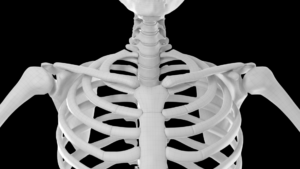
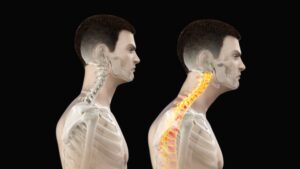
This fun video of a belly-dancing skeleton is not anatomically correct, but it helps us understand the effects of undulatory movements on the spine.
Belly Dancer Head Slides
Visualize a traditional head slide. The belly dancer moves their chin from side to side in a smooth, horizontal plane without tilting or rotating their head. The atlas and axis are specialized to enable significant range of motion, including lateral movements, while the facet joints allow small amounts of vertebrae gliding. The intervertebral discs compress and decompress slightly to accommodate the lateral motions. The primary movers (scalenes and SCM) contract on one side while relaxing on the other as the deep cervical flexors and suboccipital muscles stabilize the cervical region to prevent excessive motion or misalignment. Proprioceptive feedback is crucial for maintaining the precise control required for this unique motion.
Head slides act on cerebrospinal fluid (CSF), the way walking acts on the lymphatic system. The side-to-side movements of the vertebrae and the gentle compression and decompression of the intervertebral discs aid in circulating cerebrospinal fluid, which is crucial for nourishing and protecting the brain and spinal cord.
Cervical Translation
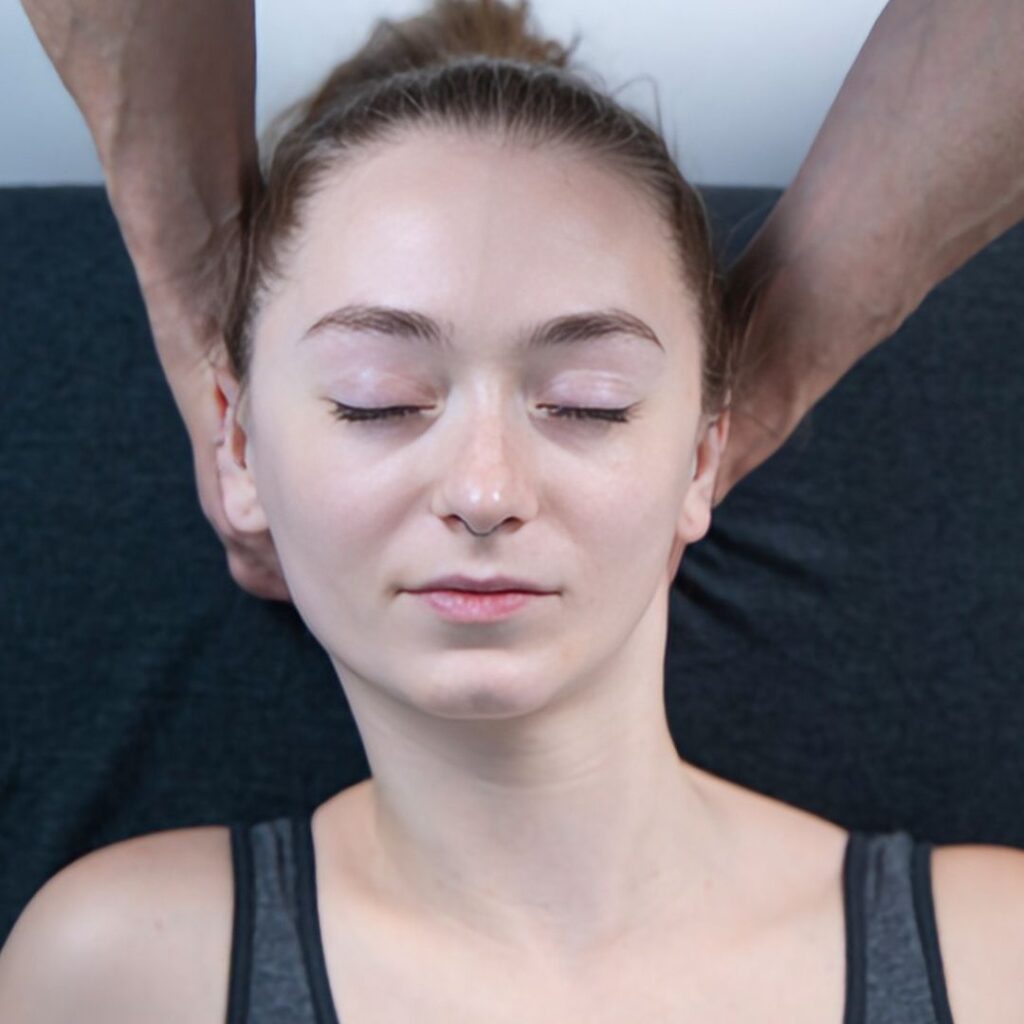
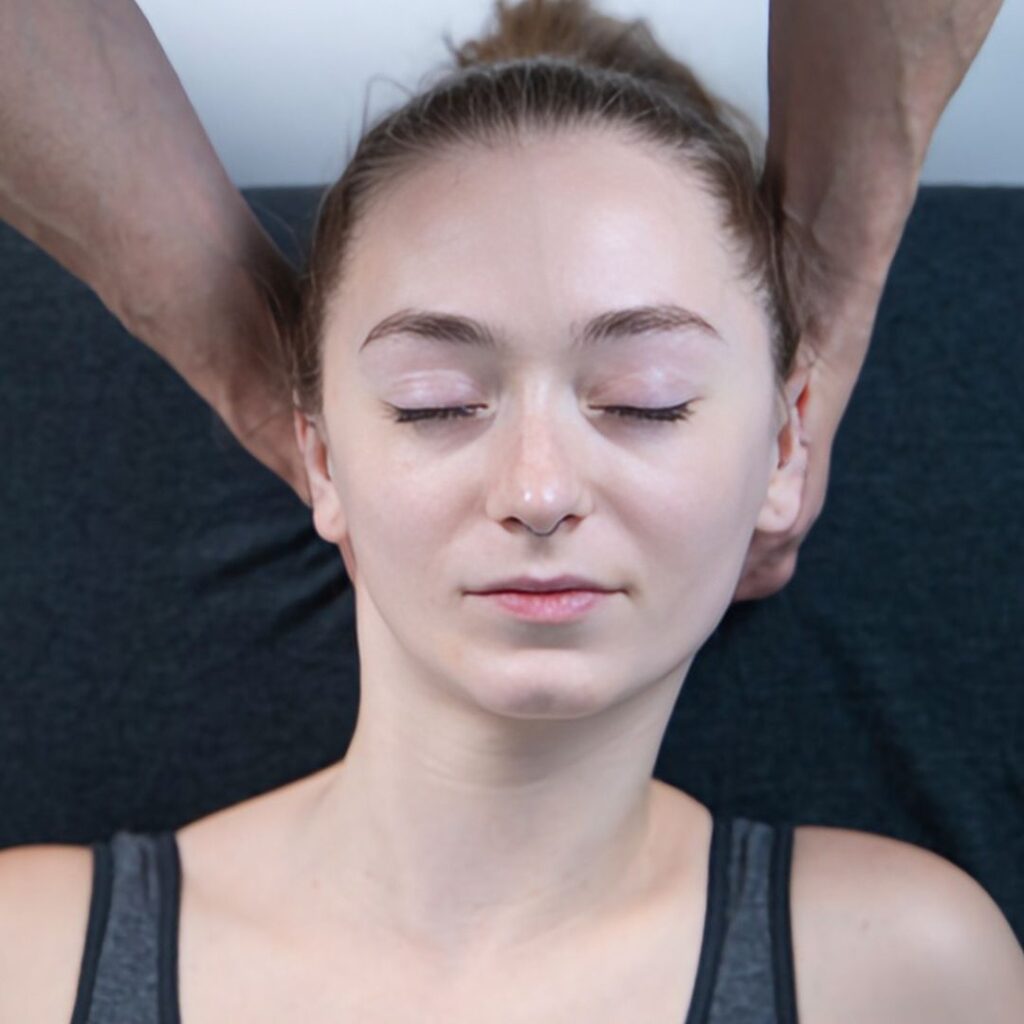
Massage therapists can utilize a manual version of belly dancer head slides by applying cervical translation as part of their neck massage (Above). Cervical translation improves joint function, promotes CSF circulation, balances muscles, and mobilizes the cervical nerve roots. The rhythmic rocking movements of cervical translation promote relaxation, reducing protective muscle guarding and allowing the vertebrae to regain optimal alignment naturally.
Cervical Decompression
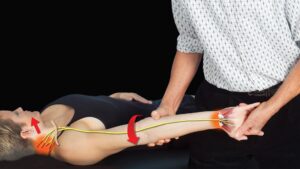
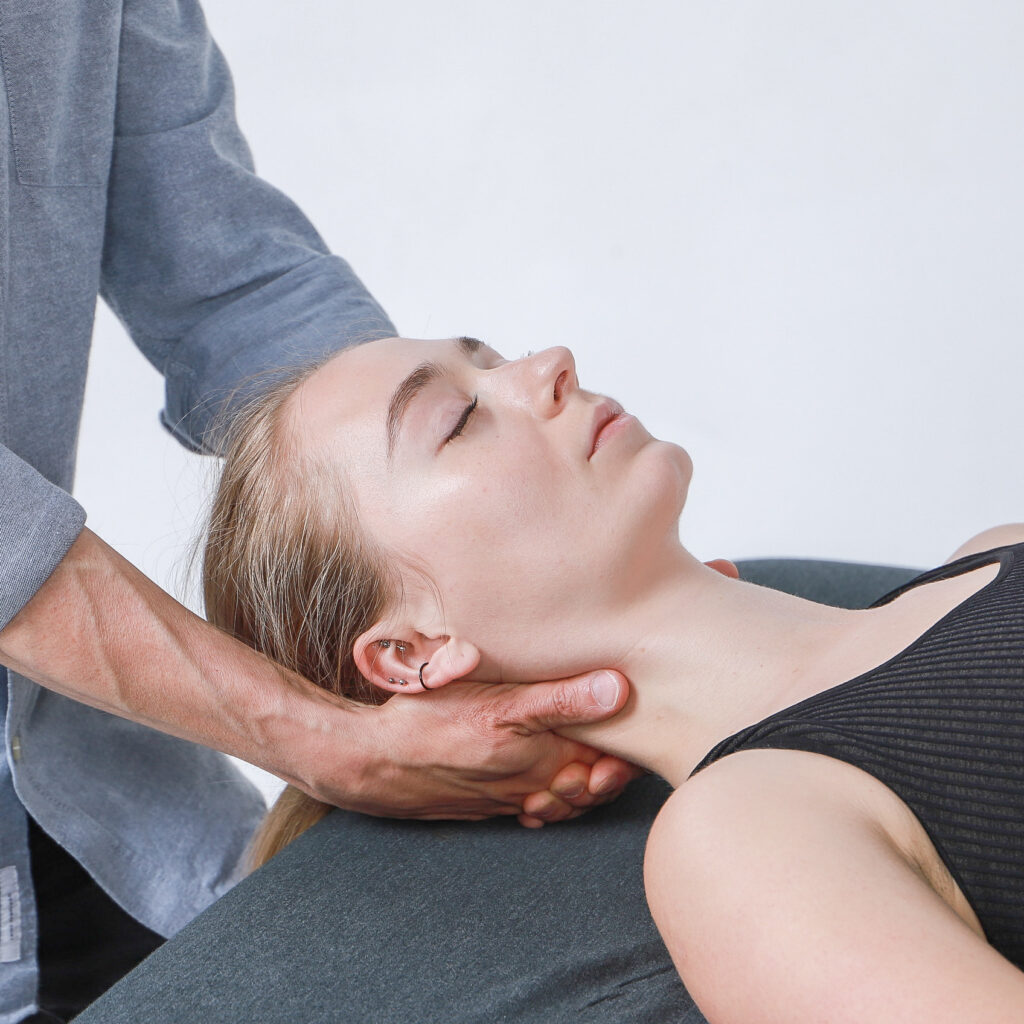
First, ask your client to move to the top of the therapy table so that you can grasp their head firmly with both hands. Warm up the tissue using your favorite neck techniques. Next, decompress the neck (Image 02) by grasping the client’s neck with both hands and leaning your body weight back to gently lengthen the neck, upper traps, and SCM.
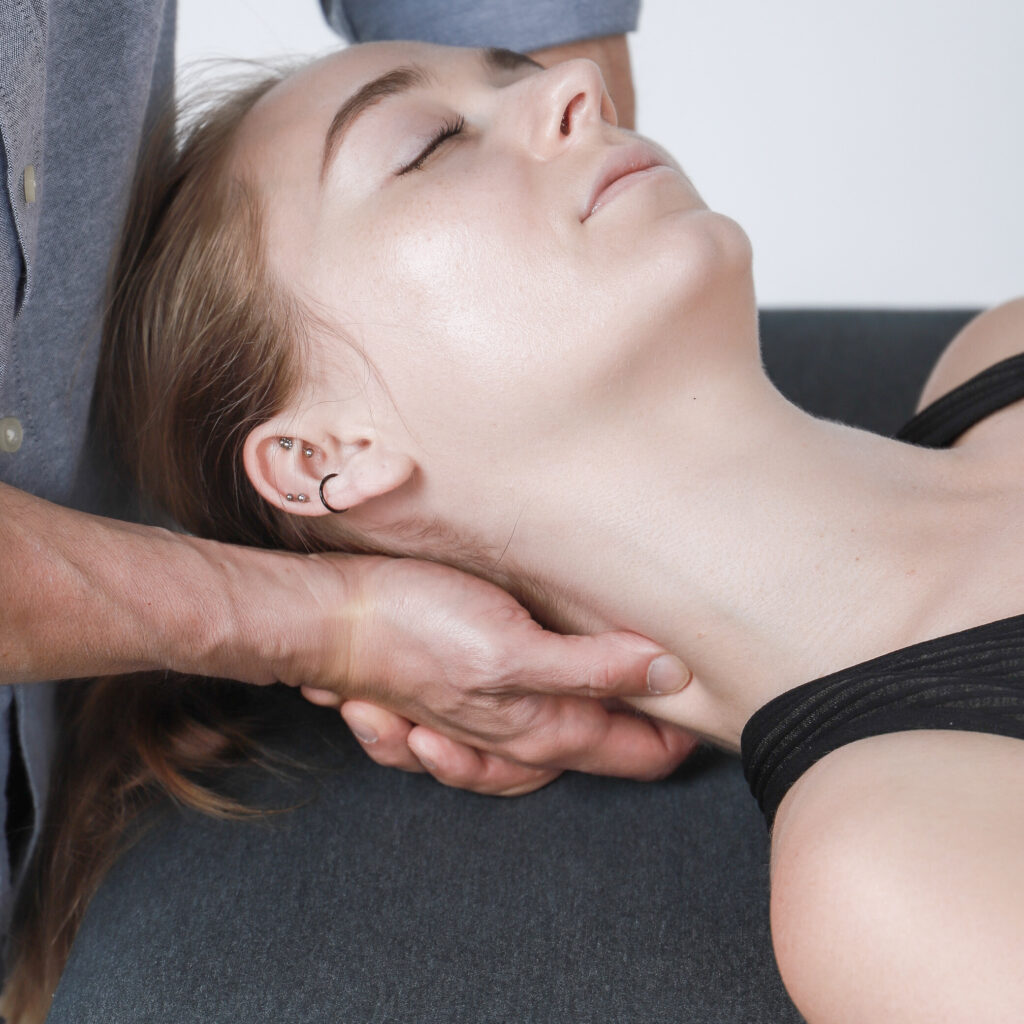
Cervical Translation (Lateral View)
Now, move into translation, where your thumbs face inferiorly and brace each side of the client’s spinous processes. Step to your left foot and push your right thumb against the spinous processes. Step to your right foot and push your left thumb against the spinous processes. Use a rhythmic tempo as you rock back and forth, foot-to-foot, pushing on the bodies of the spinous processes from C-2 to T1. As you apply this technique, ensure your client’s eyes remain in the same plane as you sway back and forth. Think about getting the cervical spinal segments swinging and swaying with the rhythm.
Belly Dancer Chest Lifts and Body Waves
Another traditional movement practiced by belly dancers is the chest lift. The dancer lifts and lowers their ribcage without moving the rest of the body. This isolation movement often leads to a body wave where a dancer lifts their chest, arches their back, and then allows the chest to drop, causing a wave to travel down the spine. The pelvis tilts posteriorly and then anteriorly. The thoracic spine extends during the chest lift and flexes as the chest drops, mobilizing the vertebrae and the costovertebral and costotransverse joints.
Mobilize the Thoracic and Lumbar Regions
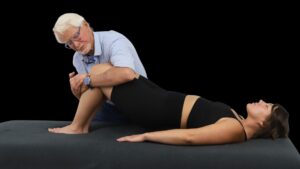
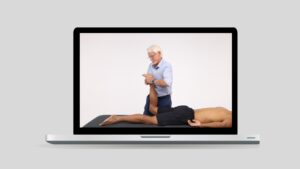
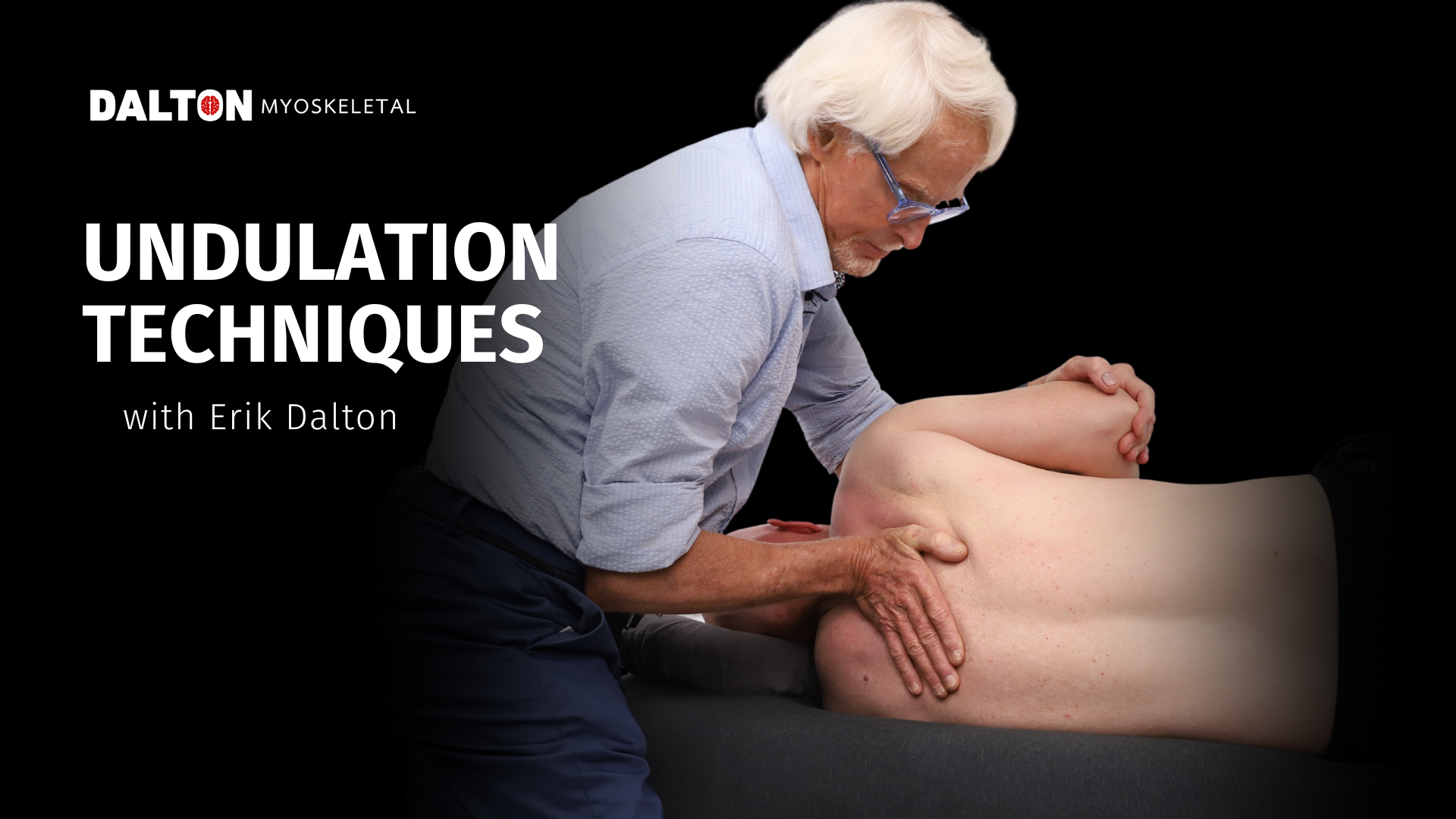
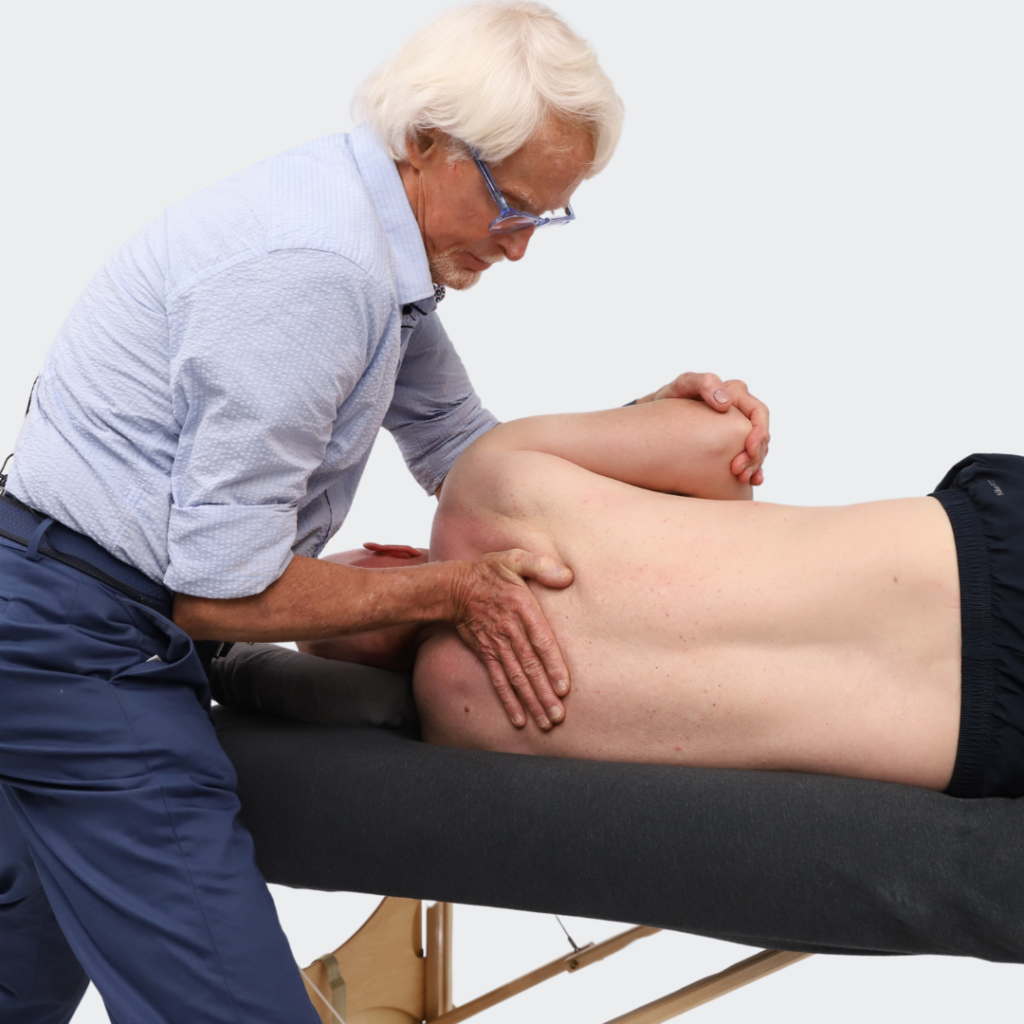
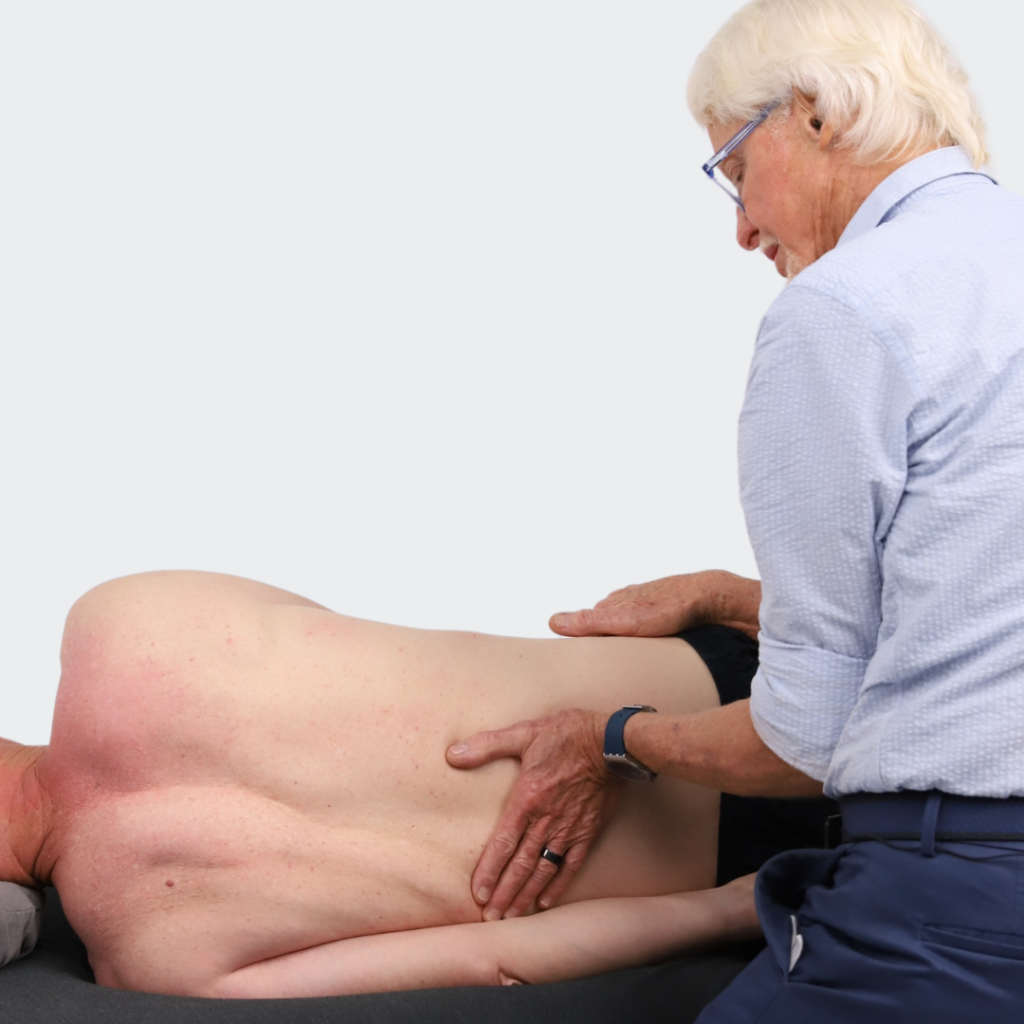
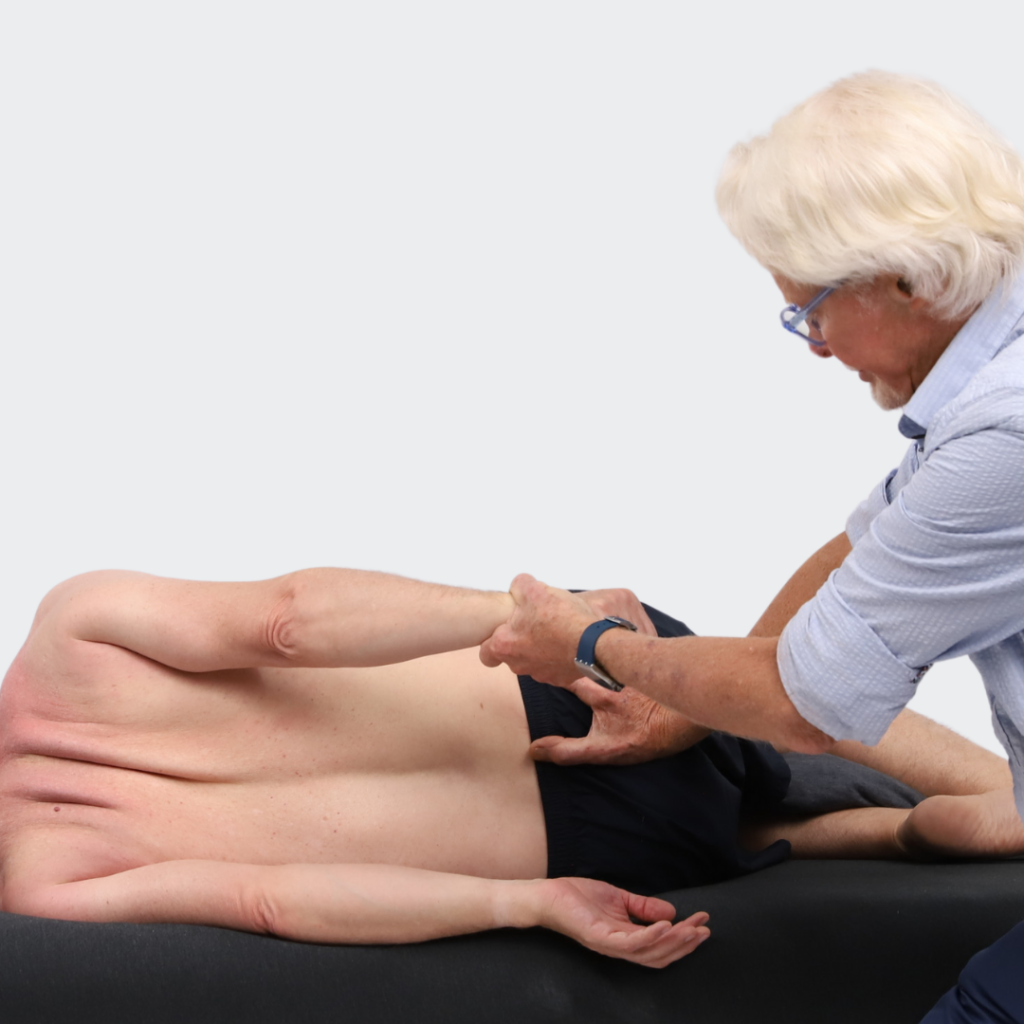
Massage therapists can utilize a manual version of this anterior-posterior spinal movement to mobilize the thoracic and lumbar vertebrae when working in the sidelying position. With the client on their left side, brace their upper body with one hand and gently press their thoracic vertebrae with the palm to extend their spine and then release the pressure at an even tempo (Top Left). As you work down to the lumbar spine, come around the back of the client so you can grasp the client’s right anterior ilium (Top Right). You may wish to try the technique with the client’s left arm behind their body. You can also pull the client’s right arm into extension so long as it is comfortable for the client (Bottom). Work with a rhythmic, rocking tempo to facilitate relaxation and help the client release protective muscle guarding. If these movements cause pain or discomfort, discontinue their use.
Master Myoskeletal Therapists look for ways to engage the body in rarely used or unfamiliar movement patterns to enhance the body-mind connection and help the body release unnecessary muscle guarding. When we create opportunities for the client to perform novel movements, we “grab” the brain’s attention because it needs to process and understand the possibility of the new movement. The brain is fully engaged and present. This mindfulness helps reduce fear of movement and general stress while enhancing overall mental well-being.
In Closing
In conclusion, while humans primarily rely on bipedal locomotion, the evolutionary and developmental links to undulatory locomotion are evident in various aspects of our movement and function. Recognizing and leveraging these connections can enhance our understanding of human biomechanics and improve our critical thinking about massage techniques. When we look at manual therapy through the lens of undulation, we improve our approaches to wellness and rehabilitation.
On sale this week only!
Save 25% off the Shoulder Arm and Hand course!

Your clients are suffering and the shoulder, arm, and hand are among the hardest areas to treat effectively. Nerve entrapments, tendinopathies, frozen shoulders, carpal tunnel, tennis elbow; these are the complex, chronic conditions that keep clients in pain and send them toward surgery. Now, world-renowned educator Erik Dalton gives you 65 powerful Myoskeletal Alignment Techniques® specifically designed to tackle upper extremity pain at its source. This 16 CE advanced course will transform the way you work and make you the therapist your clients can't stop referring.
For a limited time, save 25% and get the complete eCourse FREE when you purchase the Home Study version. Click the button below to see everything that's included, and to find out how this course moves you closer to Master Myoskeletal Therapist (MMT)® certification.