A primary goal of CS training is teaching clients how to recruit specific deep trunk muscles to effectively control lumbar spine positioning during dynamic movements. Core training is intended to provide essential joint stiffness and stability, allowing the body’s large prime movers (global muscles) a solid working foundation. Carolyn Richardson, describing her research on core stability states, “Thus, conceptually, the transversus abdominis and multifidus form the walls of a cylinder while the muscles of the pelvic floor and diaphragm form its base and lid, respectively. There is some initial evidence that these four muscles act in synergy to provide a spinal support mechanism.”
Since so many popular bodywork modalities are based on core stability principles such as co-contraction of transversus abdominis/pelvic floor muscles during specific movements, I’d like to get your feedback on this issue?
On sale this week only!
Save 25% off the Upper Body Course!
NEW! Enhanced video USB format!!!
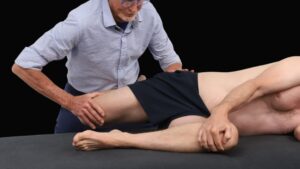
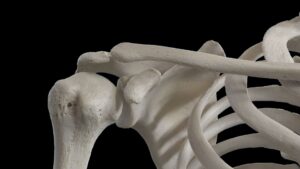
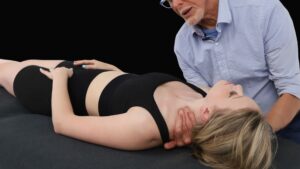
Learn unique approaches to work with the shoulder girdle, arms, neck, and torso, this course will prepare you to relieve painful myoskeletal issues in the upper body. Through video demos and animation, you’ll learn to identify several compensatory movement patterns and their associated reflexogenic pain. With this understanding of where the true source of problems arise, you’ll be able to develop highly effective treatment protocols and deliver lasting results. This course provides you with the skills you need to confidently relieve pain issues in the upper body. (20 CE)
Bonus: When you order the Home Study version, get the eLearning course and and an additional 2CE Ethics eCourse for free!
Save 25% off the Upper Body Course this week only. Offer expires Sunday, March 1st. Click the button below for more information and to purchase the course for CE hours and a certificate of completion to display in your office.