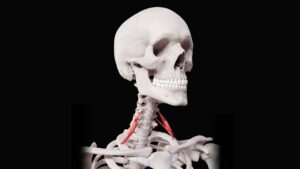
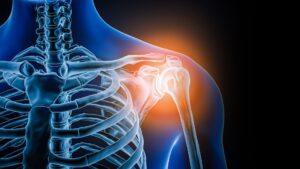
Many manual therapists realize that pain does not afflict the two genders equally. Most medical literature points to consistent findings that women report more musculoskeletal pain than men, and additionally—the females’ experience seems to differ significantly from that of their male counterpart. Some researchers believe this discrepancy is due to biological issues since female activities are typically comprised of a different set of risk factors for injury and pain. Others blame genetics such as inherited limbic system (emotional) over activity and physical structural differences.
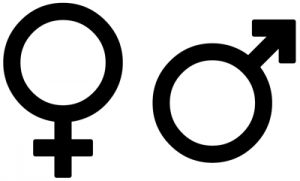
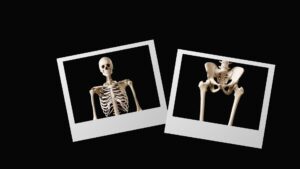
Some new developments concerning structural differences may add fuel to the gender phenomena fire. Several biomedical journals have published articles implicating innate anatomical and physiological factors. Studies indicate that, as a group, women have forty percent less neck musculature than men, yet the female head still represents approximately eight percent of a woman’s total body weight which is the same percentage as in males. These conclusions could help explain why many more women, on average, suffer from migraines, osteoporosis, degenerative disc disease, and forward head postures than men.
According to a Robert Sandos’ article in the European Journal of Pain, “While education and unemployment seemed to be primarily associated with pain among men, economic worries, half-time work, and being married were the most commonly reported pain-generators among women”.
Sandos’ study suggests that addressing the inequities in the experience of pain could require more that a simple alteration of physical risk factors. It highlights the necessity for greater research into many factors—ranging from employment inequities, social order within specific cultural norms—to biological make-up.
References
- Sandos, R European Journal of Pain, 2004
On sale this week only!
Save 25% off the Upper Body Course!

NEW! Enhanced video USB format!!!
Learn unique approaches to work with the shoulder girdle, arms, neck, and torso, this course will prepare you to relieve painful myoskeletal issues in the upper body. Through video demos and animation, you’ll learn to identify several compensatory movement patterns and their associated reflexogenic pain. With this understanding of where the true source of problems arise, you’ll be able to develop highly effective treatment protocols and deliver lasting results. This course provides you with the skills you need to confidently relieve pain issues in the upper body. (20 CE)
Bonus: When you order the Home Study version, get the eLearning course and and an additional 2CE Ethics eCourse for free!
Save 25% off the Upper Body Course this week only. Offer expires Sunday, March 1st. Click the button below for more information and to purchase the course for CE hours and a certificate of completion to display in your office.