Learn the Why. Master the How.
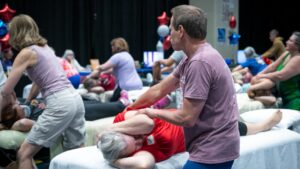
In 2026, we asked MAT workshop participants what they wanted from the next generation of Dalton Myoskeletal education. Their answers helped us identify six priorities for 2027 workshops.

In 2026, we asked MAT workshop participants what they wanted from the next generation of Dalton Myoskeletal education. Their answers helped us identify six priorities for 2027 workshops.
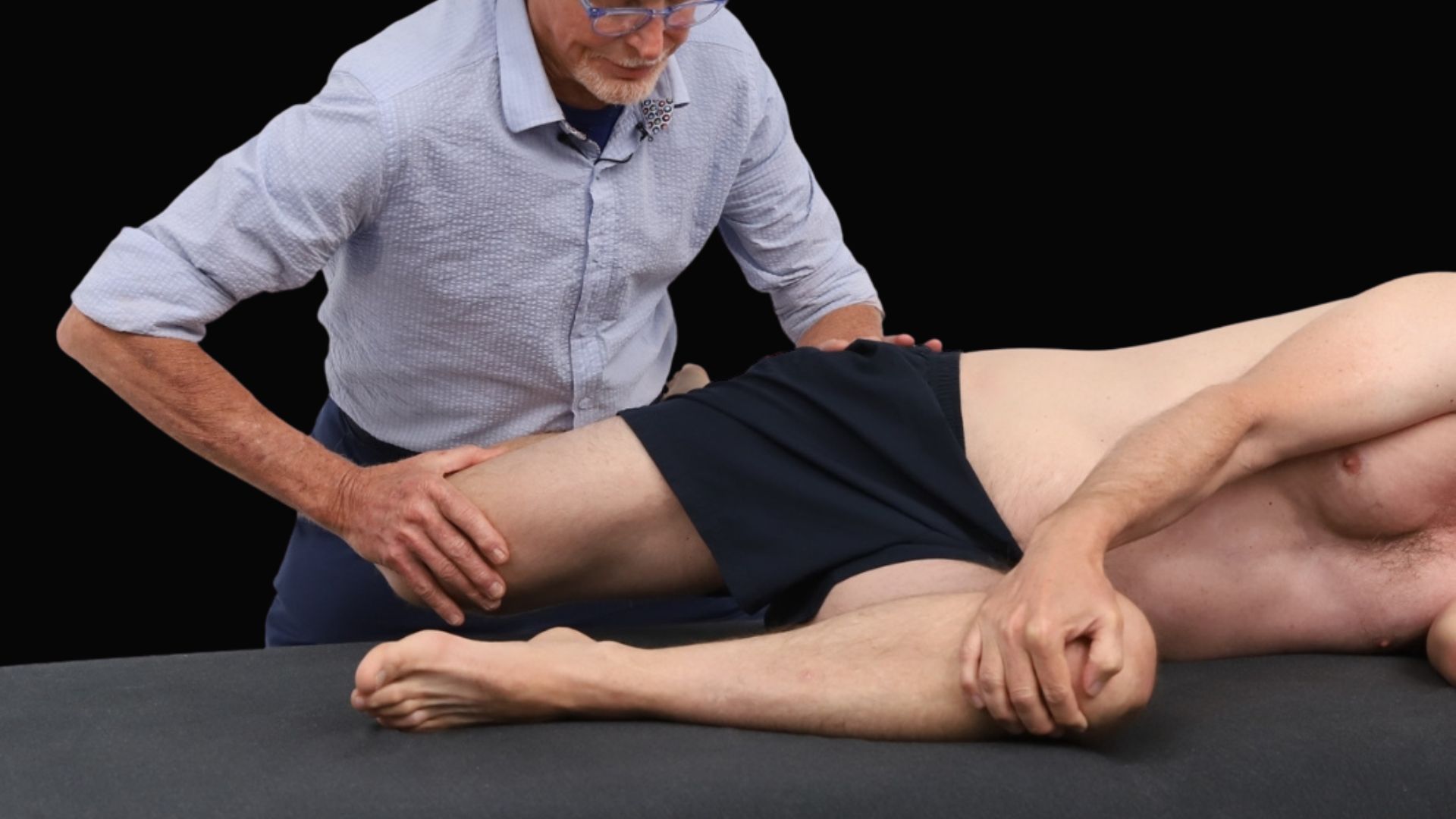
Femoral nerve entrapment can trigger thigh pain, tingling, and even knee buckling. Learn how this condition develops and how massage therapy techniques like soft-tissue release and neural glides can relieve pain and restore function.

Among the intricate tapestry of bones, muscles, tendons, ligaments, and fascia, eight small structures have long captivated the attention of massage therapists and bodyworkers. At the juncture where the spine meets the skull, the four paired suboccipital muscles play a pivotal role in our daily lives. Along with the inner ear’s vestibular system, they help keep our gaze level with the horizon while facilitating the fine-tuned movements that allow us to nod “yes” to life or look at the stars.
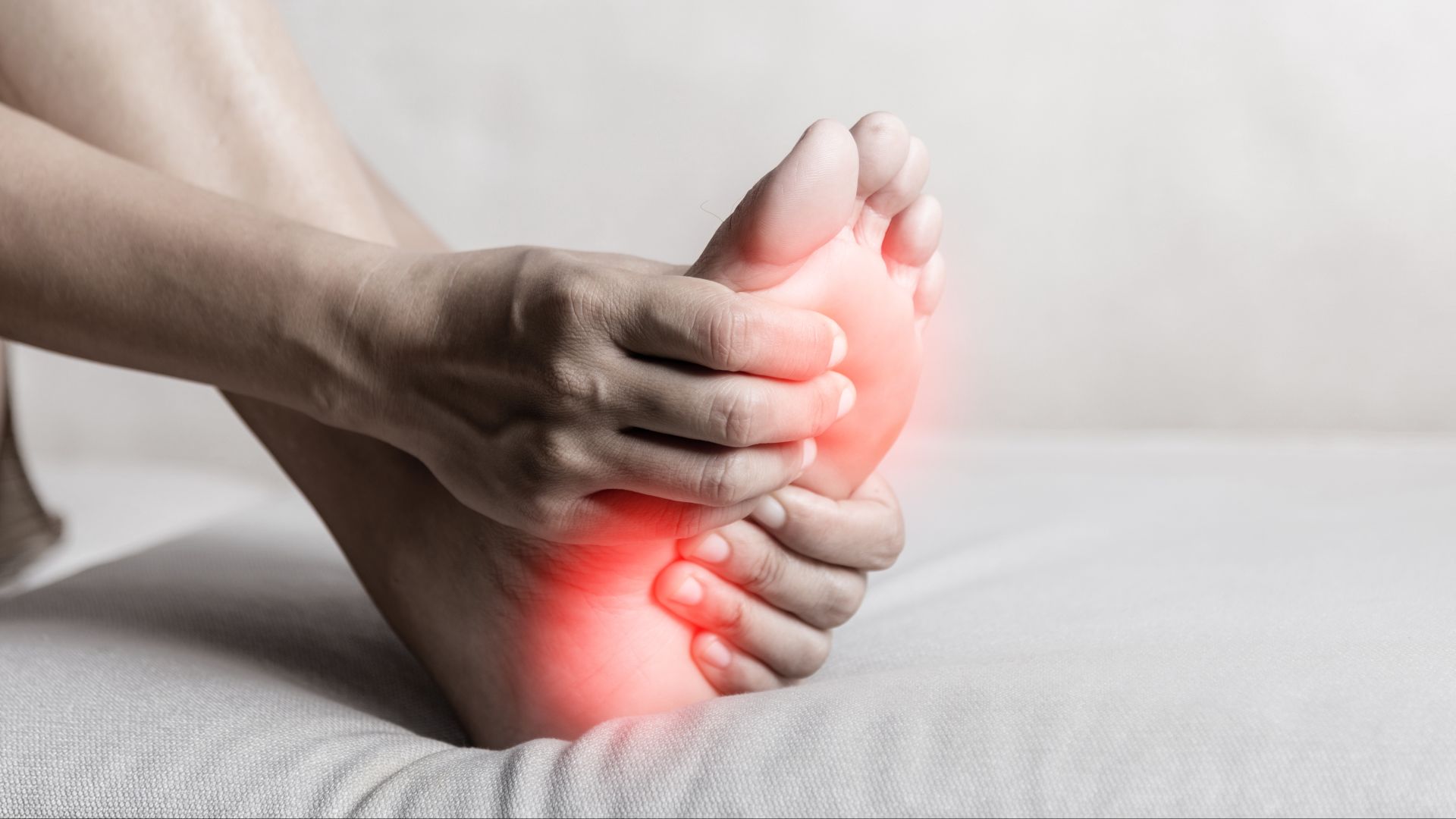
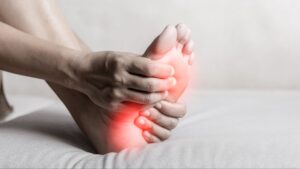
The plantar fascia is more than just a passive band of connective tissue originating at the calcaneal lip and attaching distally to the toes…
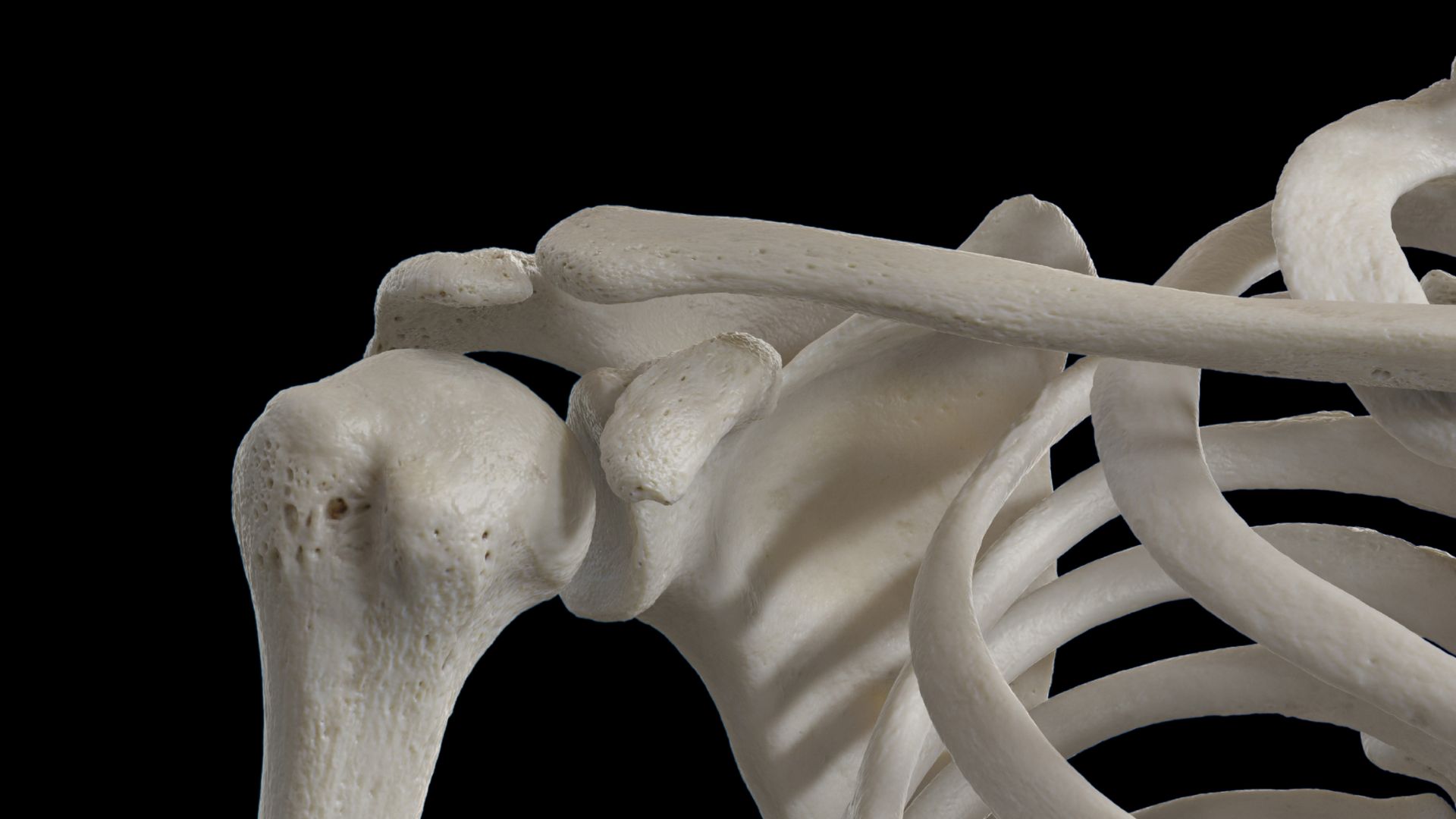
Every time a client reaches overhead, throws a ball, pushes open a door, or reaches across the body, the AC joint is a player in shoulder mechanics.
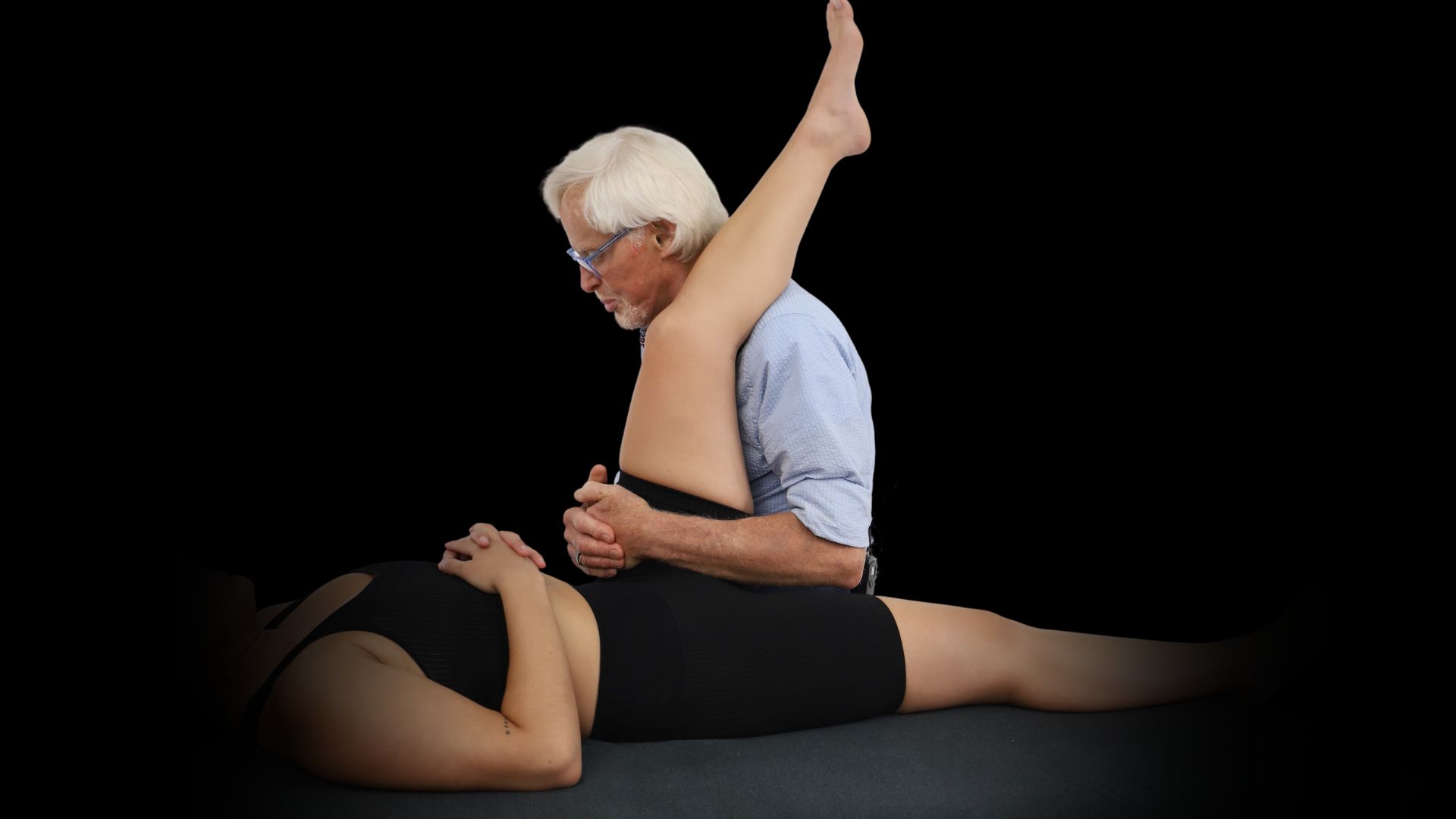
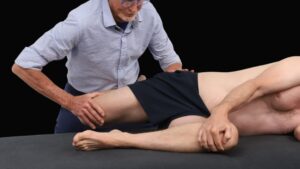
The Femoroacetabular Distraction Technique combines traction with femoral rotation to temporarily unload the femoroacetabular joint while introducing varied mechanical and sensory input through the hip capsule.
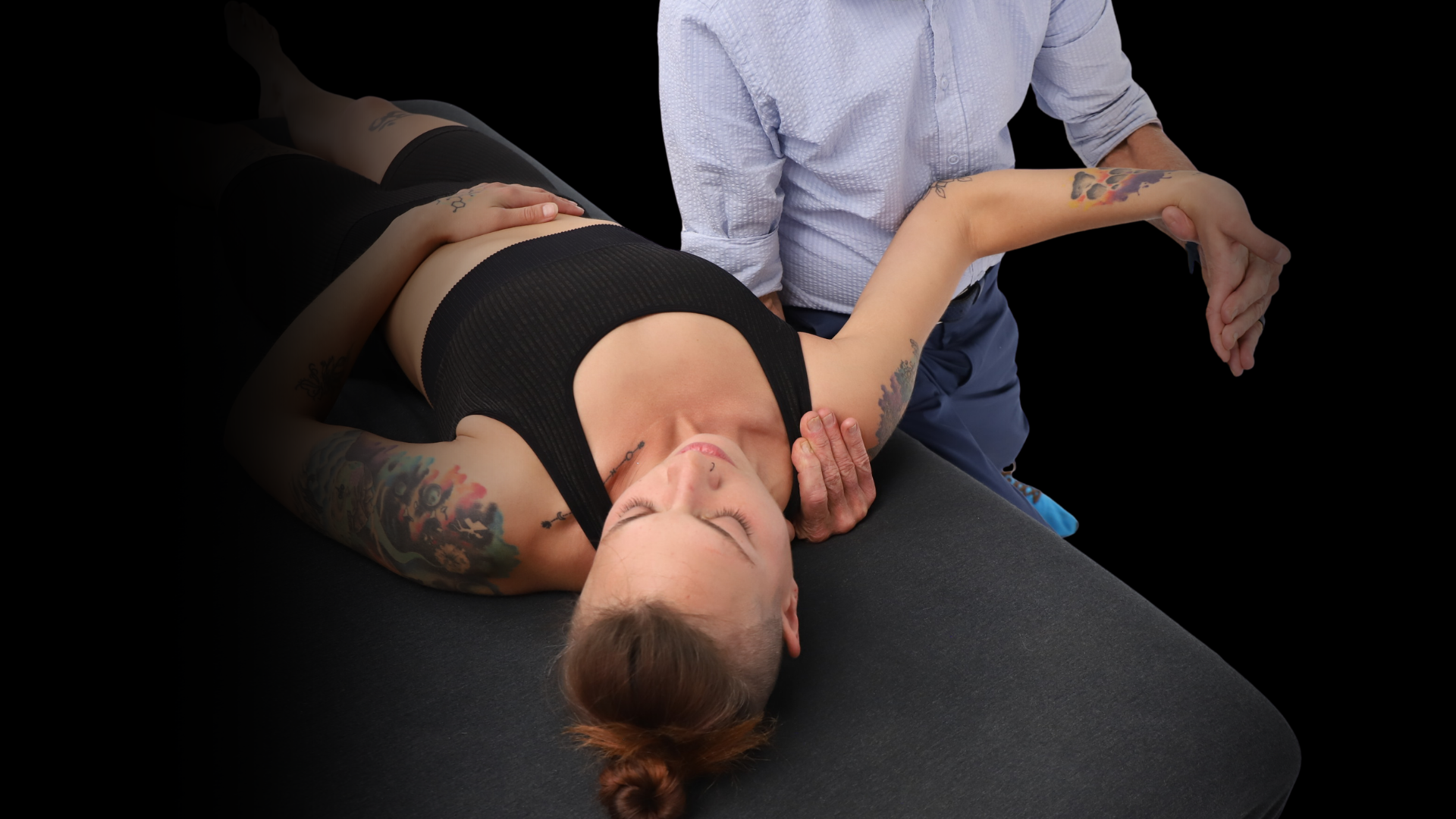
Cubital tunnel syndrome is the second most common upper-extremity entrapment neuropathy after carpal tunnel syndrome. Early symptoms often come and go, but as dysfunction progresses, numbness may persist, and the muscles supplied by the ulnar nerve may weaken.
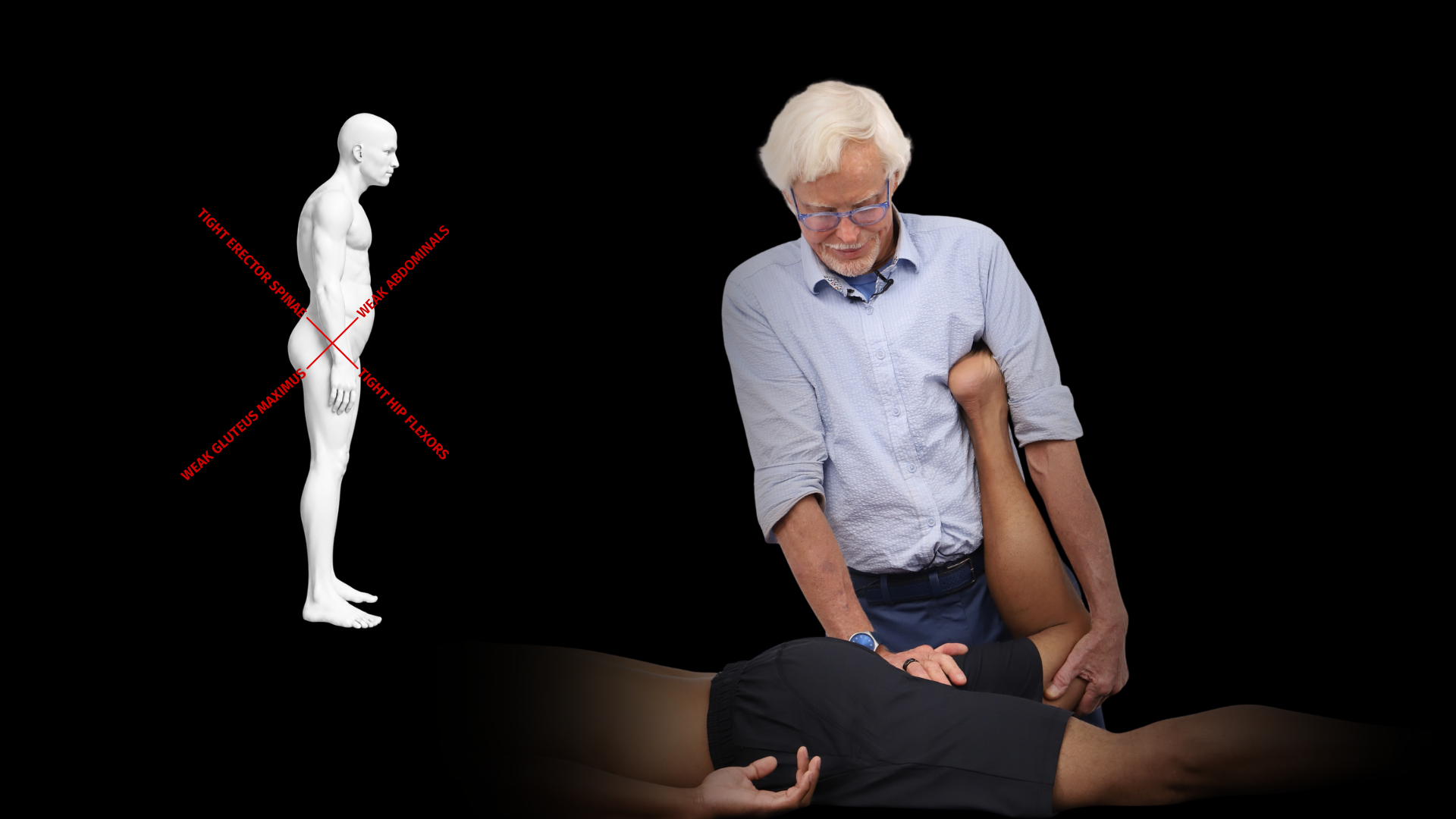
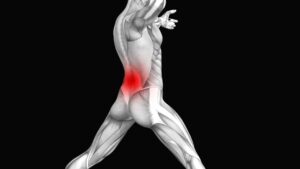
MAT treats lower crossed syndrome as a coordinated lumbopelvic pattern, aiming to reduce lumbar extensor guarding, improve comfortable hip extension, and help the nervous system recruit the posterior hip muscles more effectively.
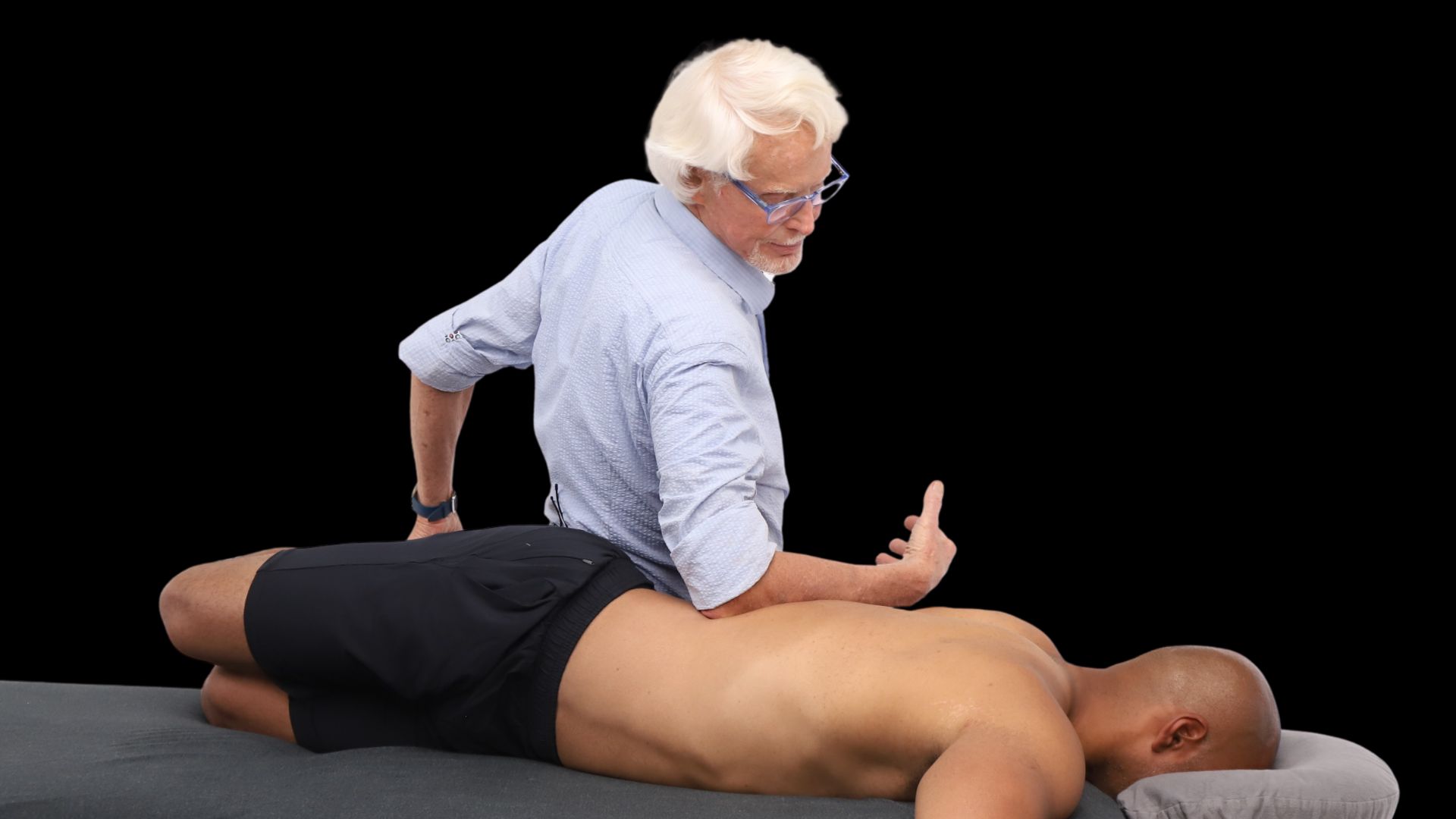
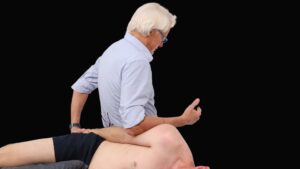
This four-technique sequence is easy to incorporate into your low-back routine to address lumbar pain and compensation. Using decompression, mobilization, counter-rotation, and active movement gives the brain a sense of safety to reduce protective guarding, improving load sharing in the lower body kinetic chain.
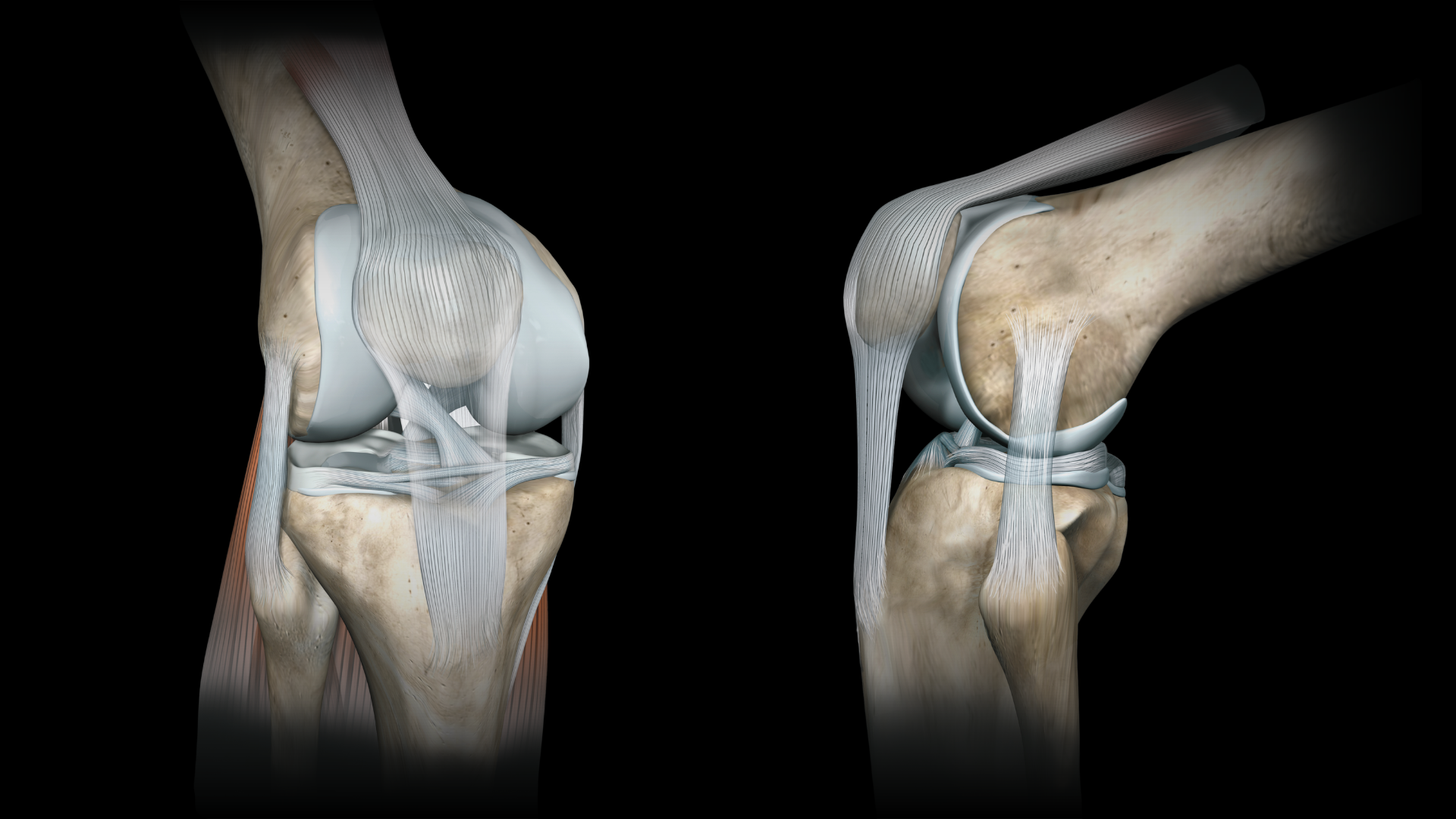
Knee pain is one of the most common complaints massage therapists encounter. Clients often arrive convinced their knee is “wearing out,” structurally damaged, or headed for surgery. And while degenerative changes do happen with age and use, research tells a surprising story: structural findings like meniscal tears, cartilage damage, and bone spurs show up frequently on imaging of pain-free people and correlate poorly with who actually has symptoms.