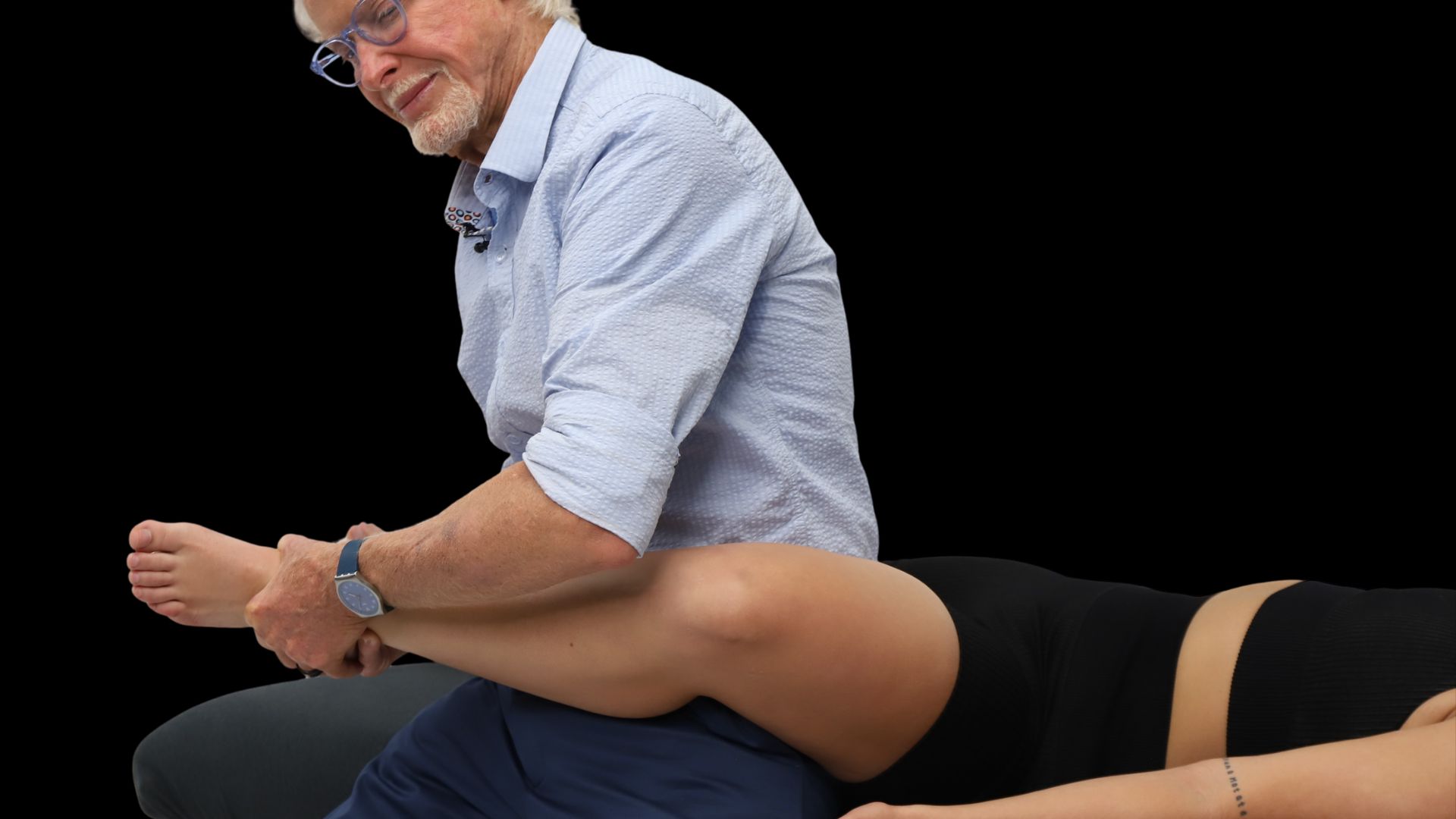
Get the Ankle Moving and Give the Knees a Break
Each time the foot accepts weight, the ankle must absorb load, adapt to the surface, and help direct force into the leg. How well it performs those jobs directly influences the knees.

Each time the foot accepts weight, the ankle must absorb load, adapt to the surface, and help direct force into the leg. How well it performs those jobs directly influences the knees.
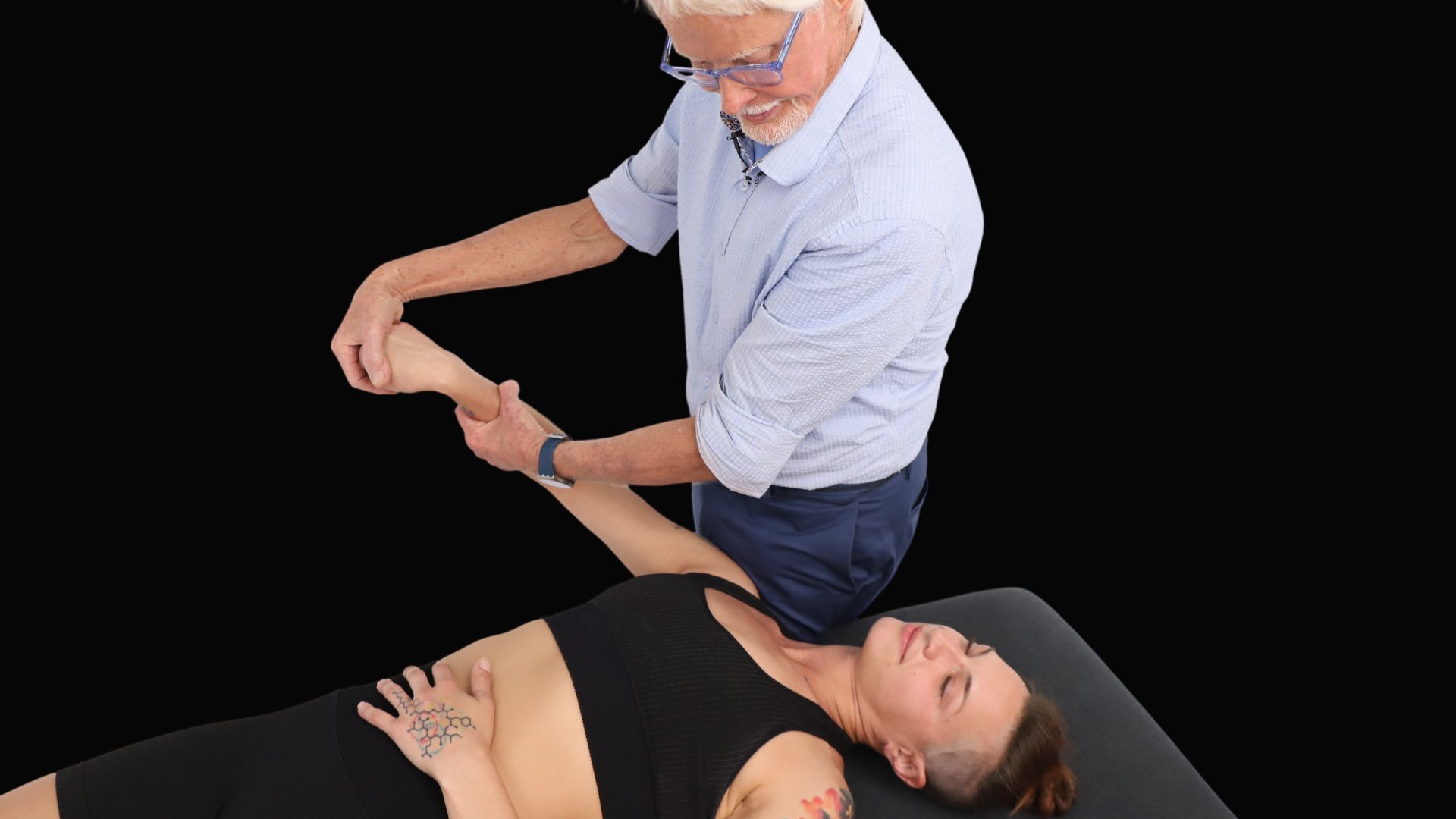
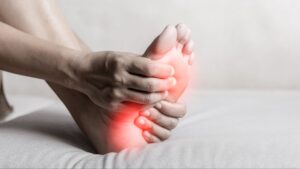
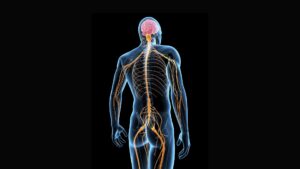
Neurodynamics is a term coined by physical therapists David Butler and Michael Shacklock to describe manual methods for mobilizing peripheral nerves. Nerve mobilization includes nerve gliding and nerve tensioning.
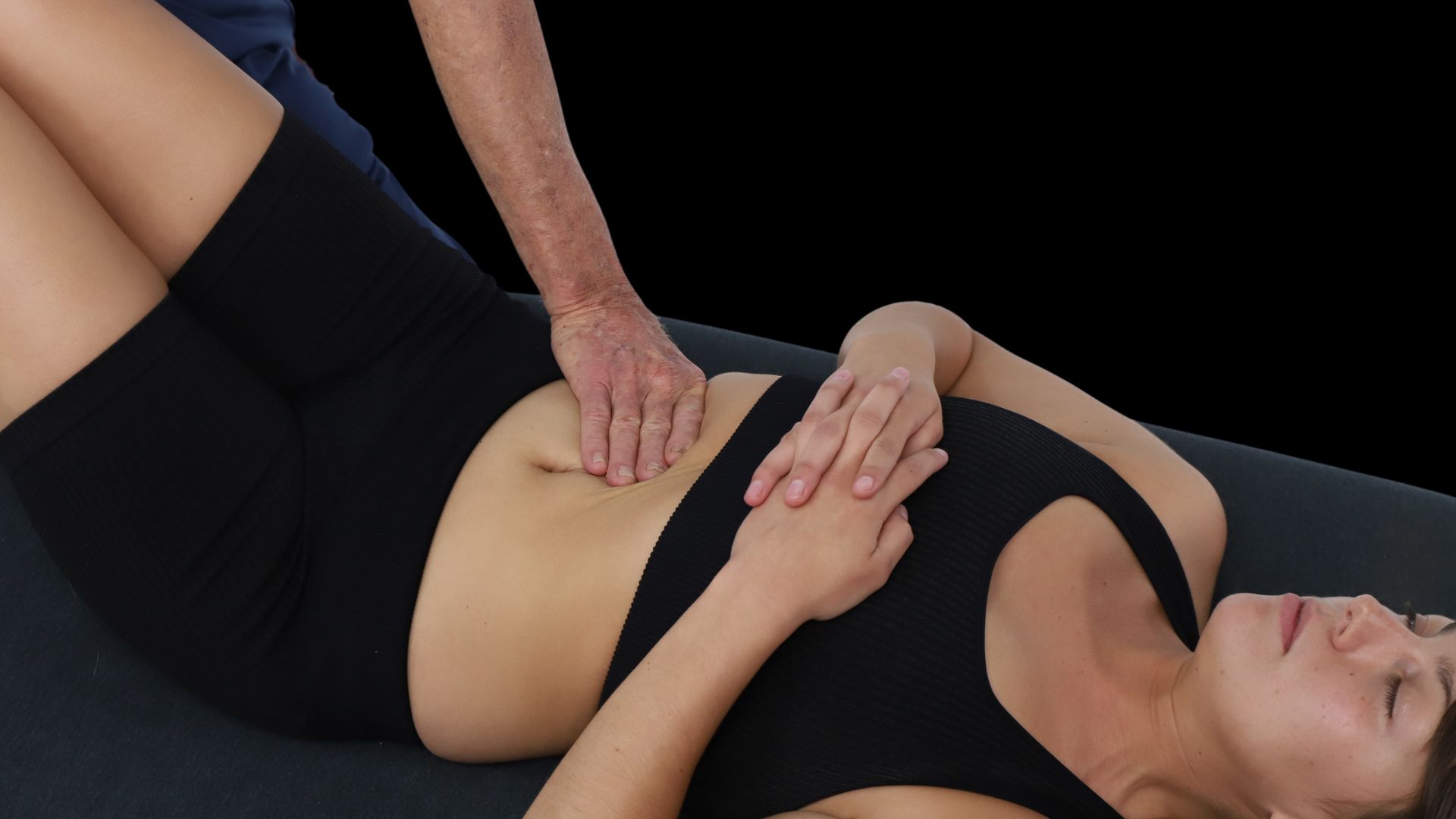
Manual therapists often spend hours working with the spine, hips, shoulders, and neck, yet the abdomen is easy to avoid. It can feel personal, vulnerable, or outside the familiar territory of musculoskeletal work. But the abdomen is an important link to posture, breathing, spinal motion, pelvic support, and the nervous system.
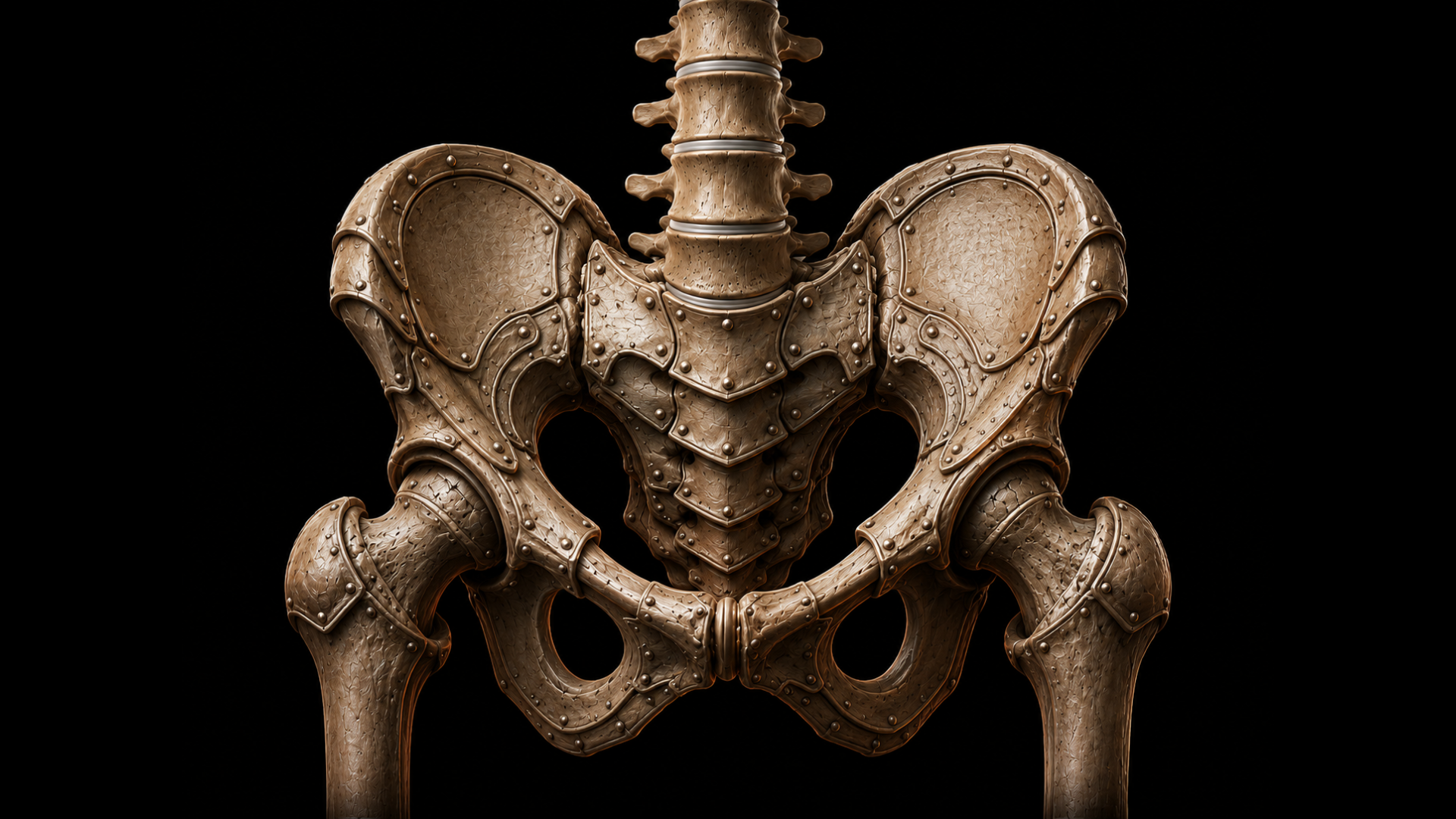
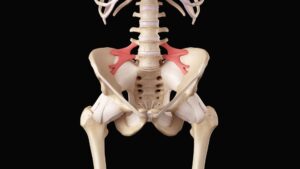
Pelvic pain can be frustrating because it often feels local, but the pattern is rarely isolated. A client may point to one sacroiliac joint, one hip, one side of the low back, or the pubic symphysis and say, “It hurts right here.” But the pelvis functions as a ring. When one part of the ring stops moving well, the rest of the ring has to adapt.
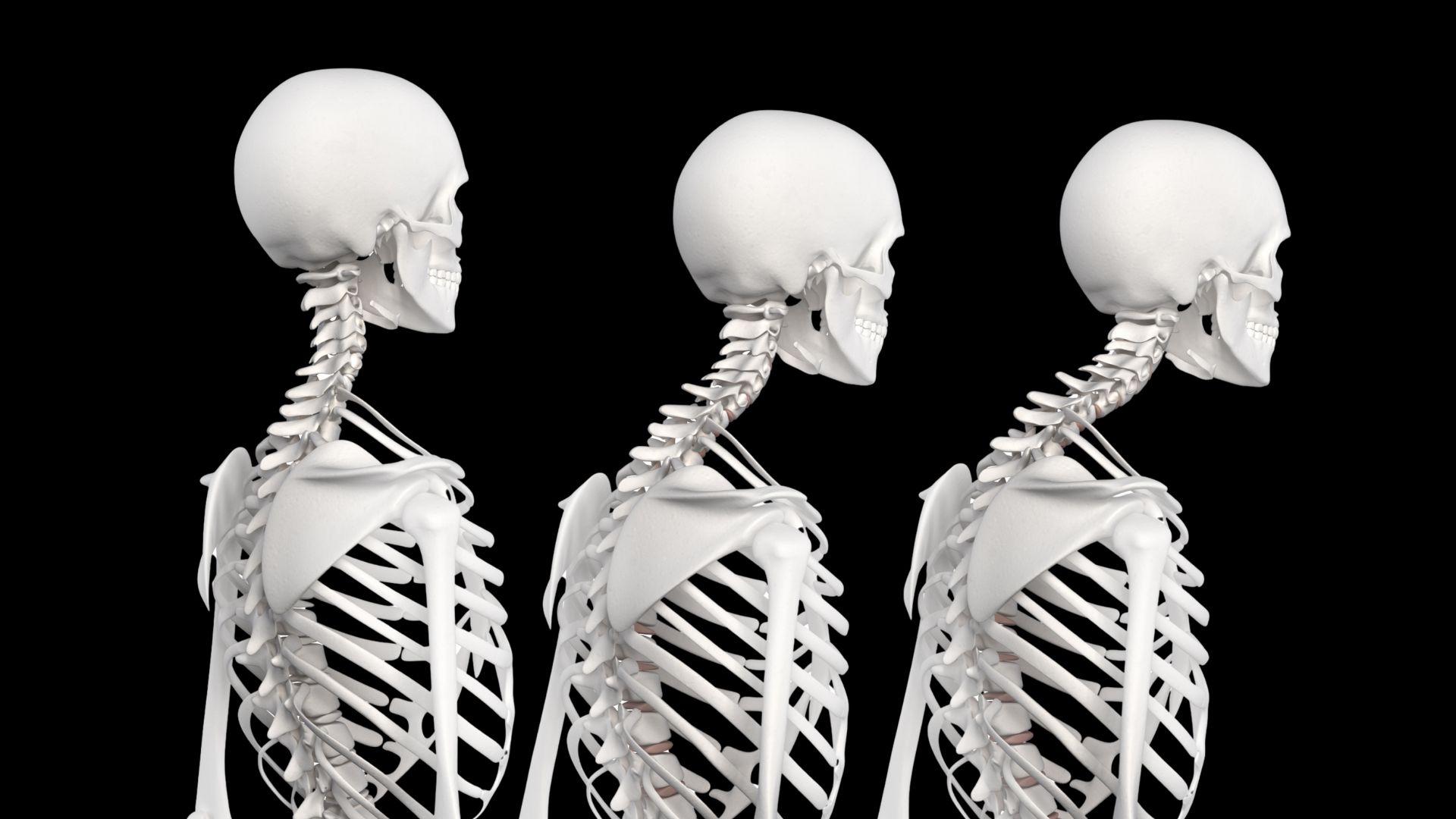
Forward-head posture (FHP) has become the defining musculoskeletal pattern of modern life, and we see it every day in our session rooms. Hours spent focusing on small visual targets such as phones, laptops, and tablets shift the cranium anteriorly relative to the thorax, altering load distribution throughout the entire kinetic chain.
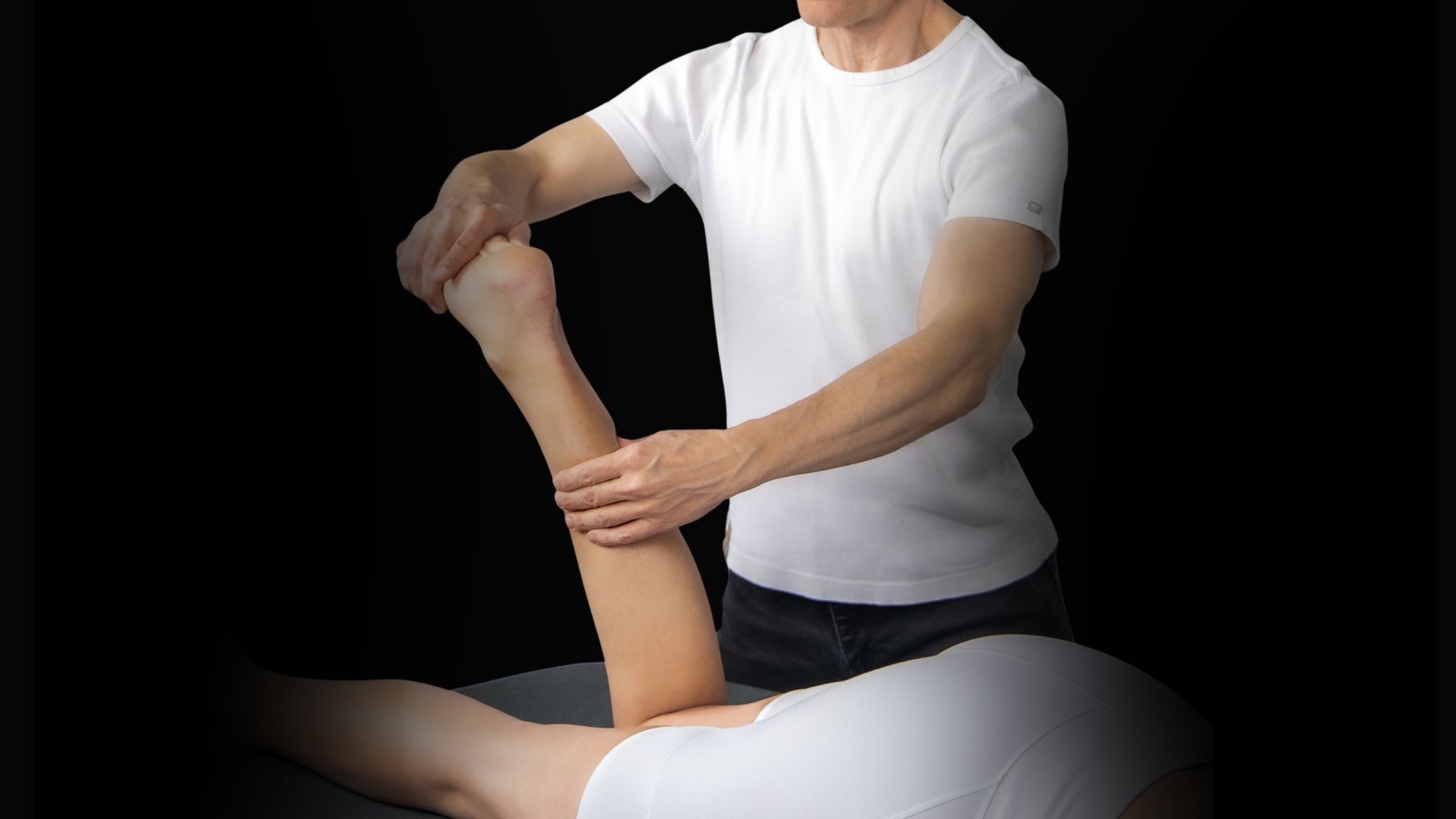
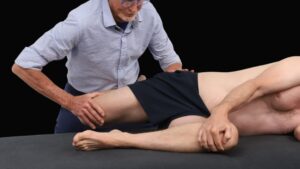
In Myoskeletal Alignment Techniques we use several manual methods that lubricate joints and soft tissue by generating warmth in the tissue and rolling fascial sacs across associated structures. Some of these methods restore capsular flexibility, enhance joint play, and encourage pain-free range of motion. Others stimulate muscle spindles to turn on weak muscles and improve their firing patterns.
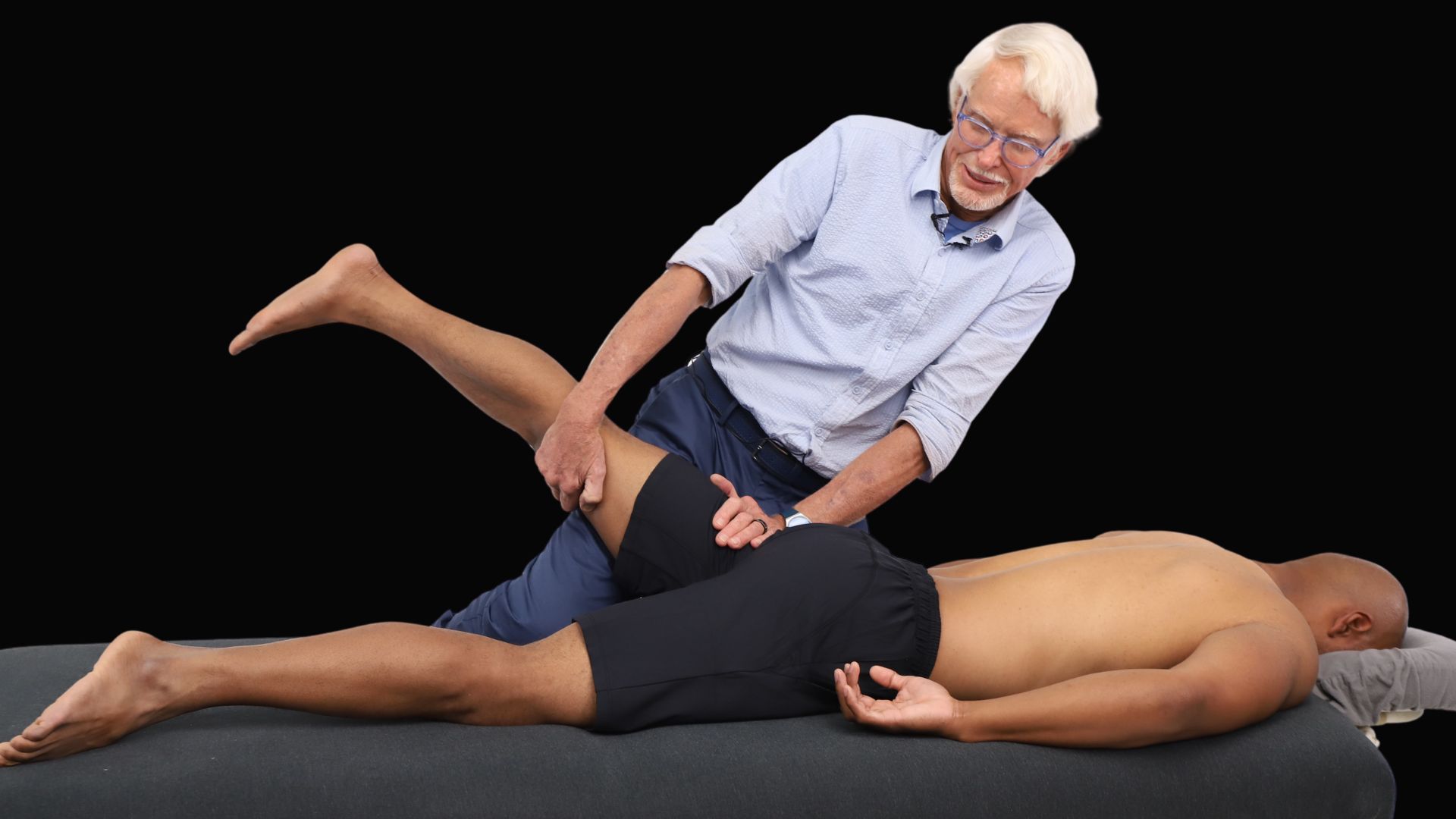
In Myoskeletal Alignment Technique (MAT), therapists use graded exposure (GE) stretches to improve flexibility and help clients engage with painful movement barriers. GE stretching reduces the anxiety associated with a particular movement pattern or situation.
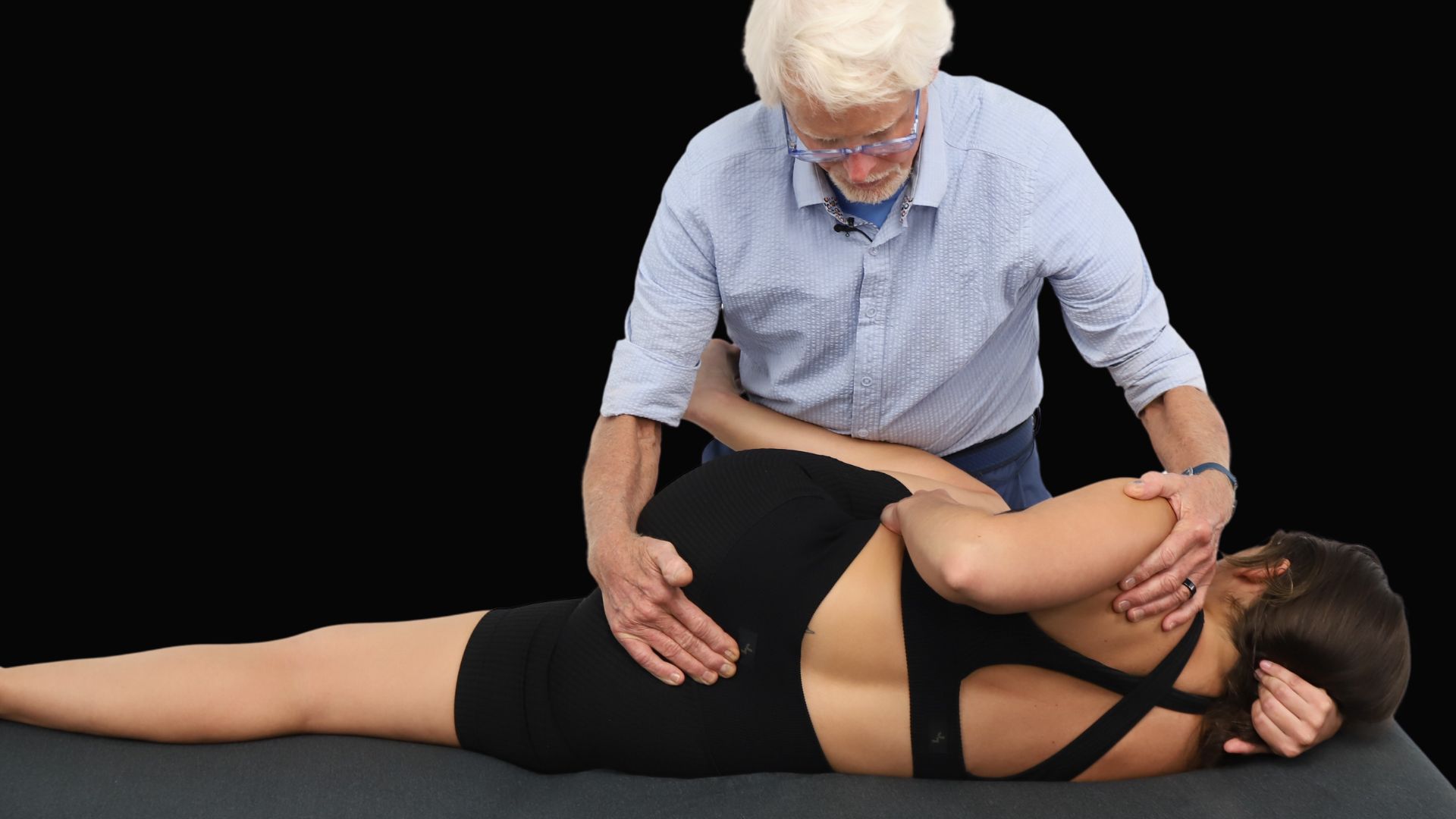
The zygapophyseal joints are a crucial component of the human vertebral column, contributing to its stability, flexibility, and load-bearing capabilities. Learn two techniques that improve Z joint function.
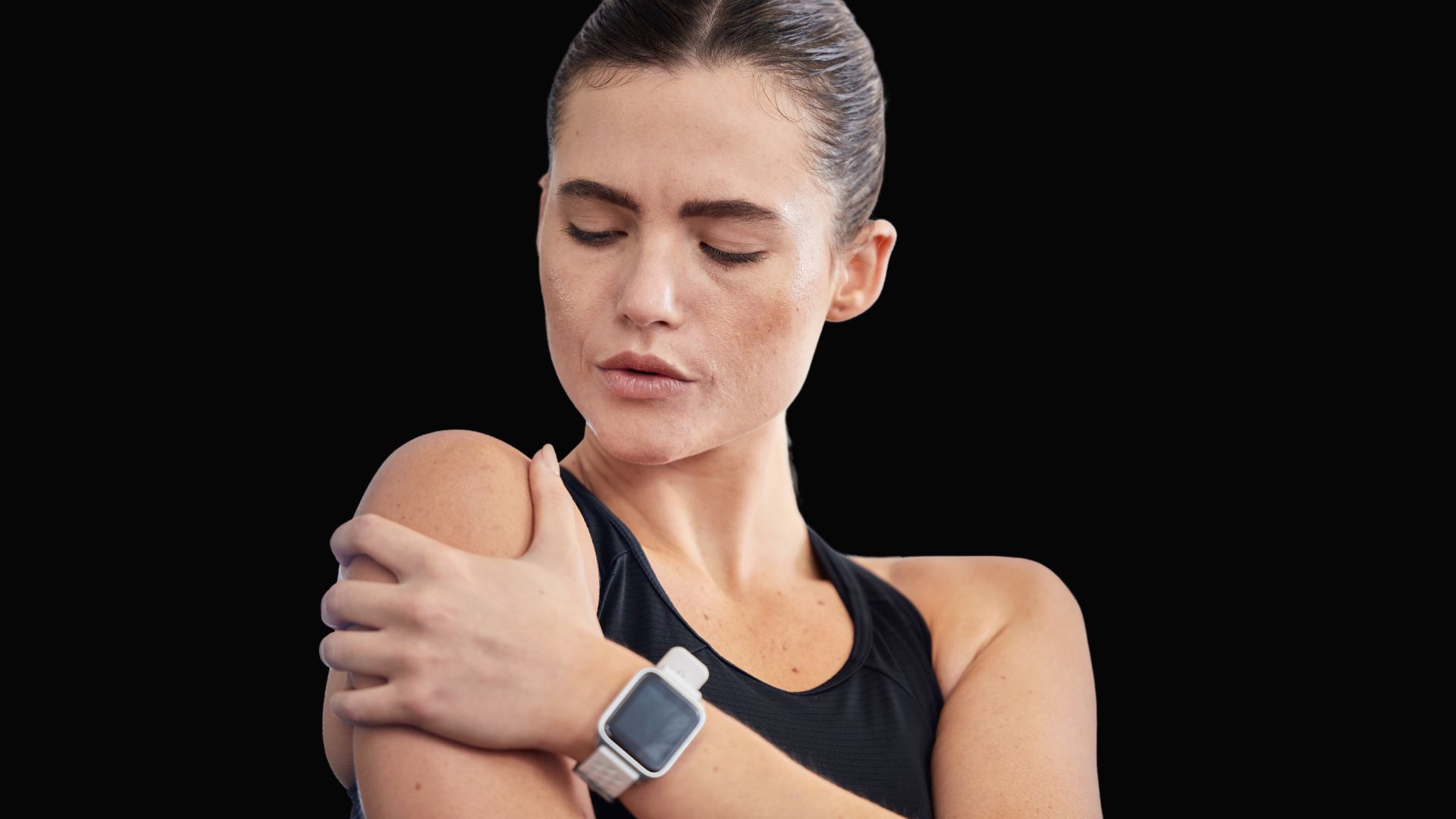
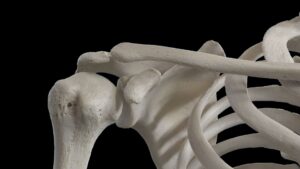
The term frozen shoulder has been around since the early 1930s, but research by Drs. Andrew and Robert Neviaser found that a stiff, painful glenohumeral joint doesn’t necessarily mean the shoulder is “frozen.”1 According to these authors, frozen shoulder and adhesive capsulitis are
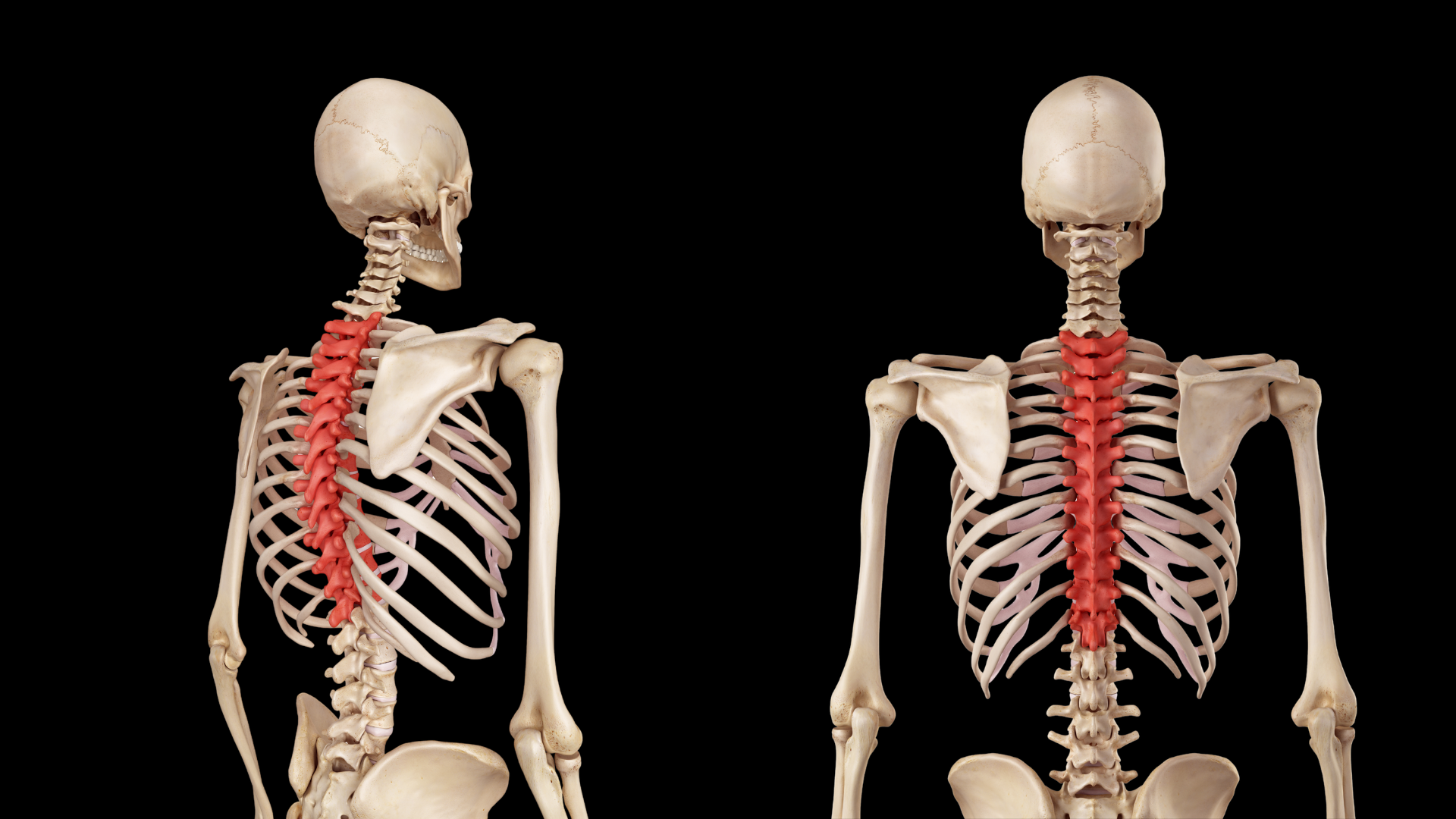
The thoracic spine is a unique and often overlooked body region that plays a central role in postural alignment, respiration, and spinal mechanics. Comprised of twelve vertebrae, it serves as the axis of the ribcage and a bridge between the cervical and lumbar spine.