How to Become a Better Pain Detective
Learn the systematic application of ART to unravel the mystery of your client’s pain.

Learn the systematic application of ART to unravel the mystery of your client’s pain.
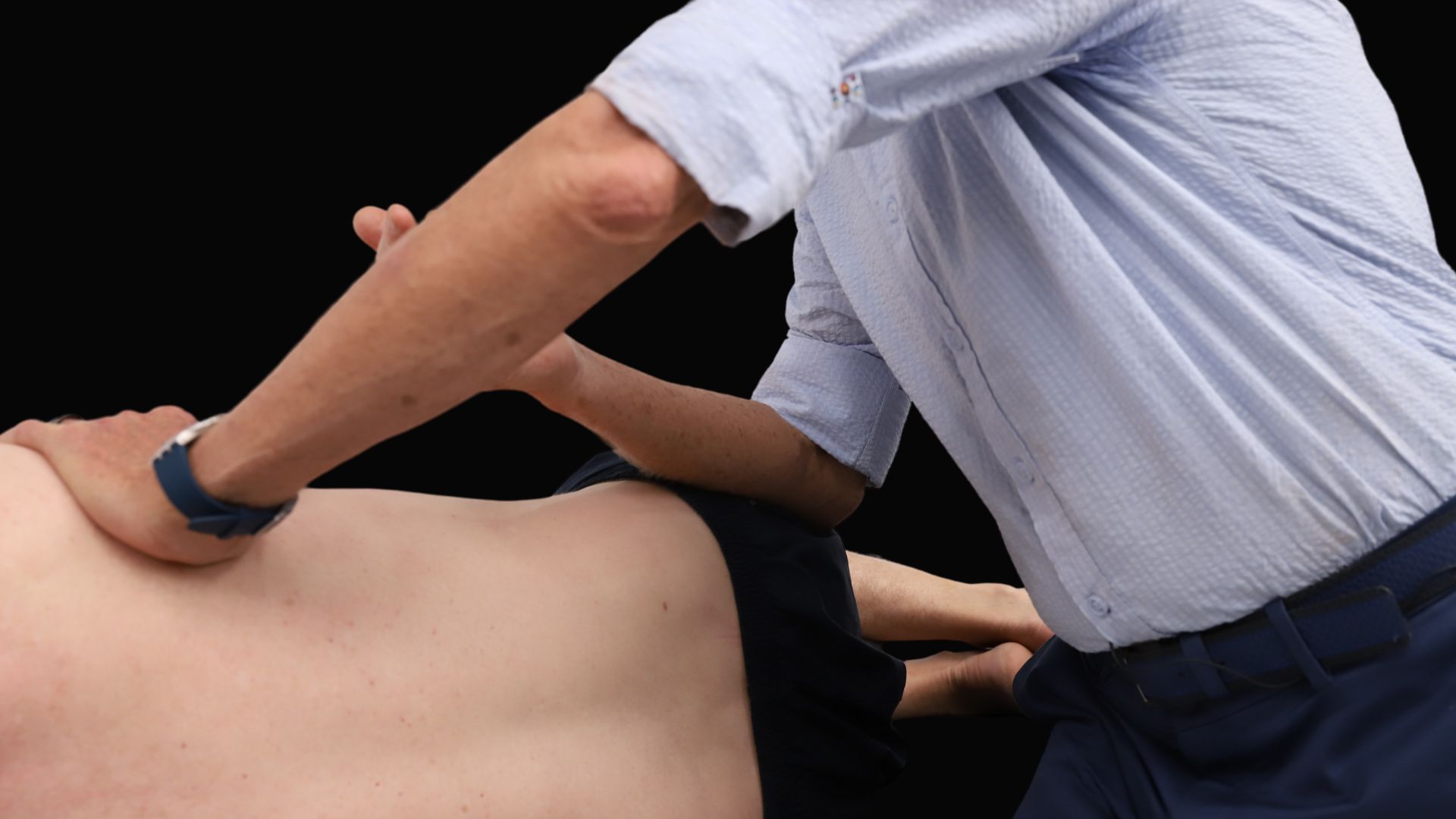
Getting to the bottom of buttock pain… The buttock has been assigned more syndromes than any other bodily region. This is due to the biomechanical
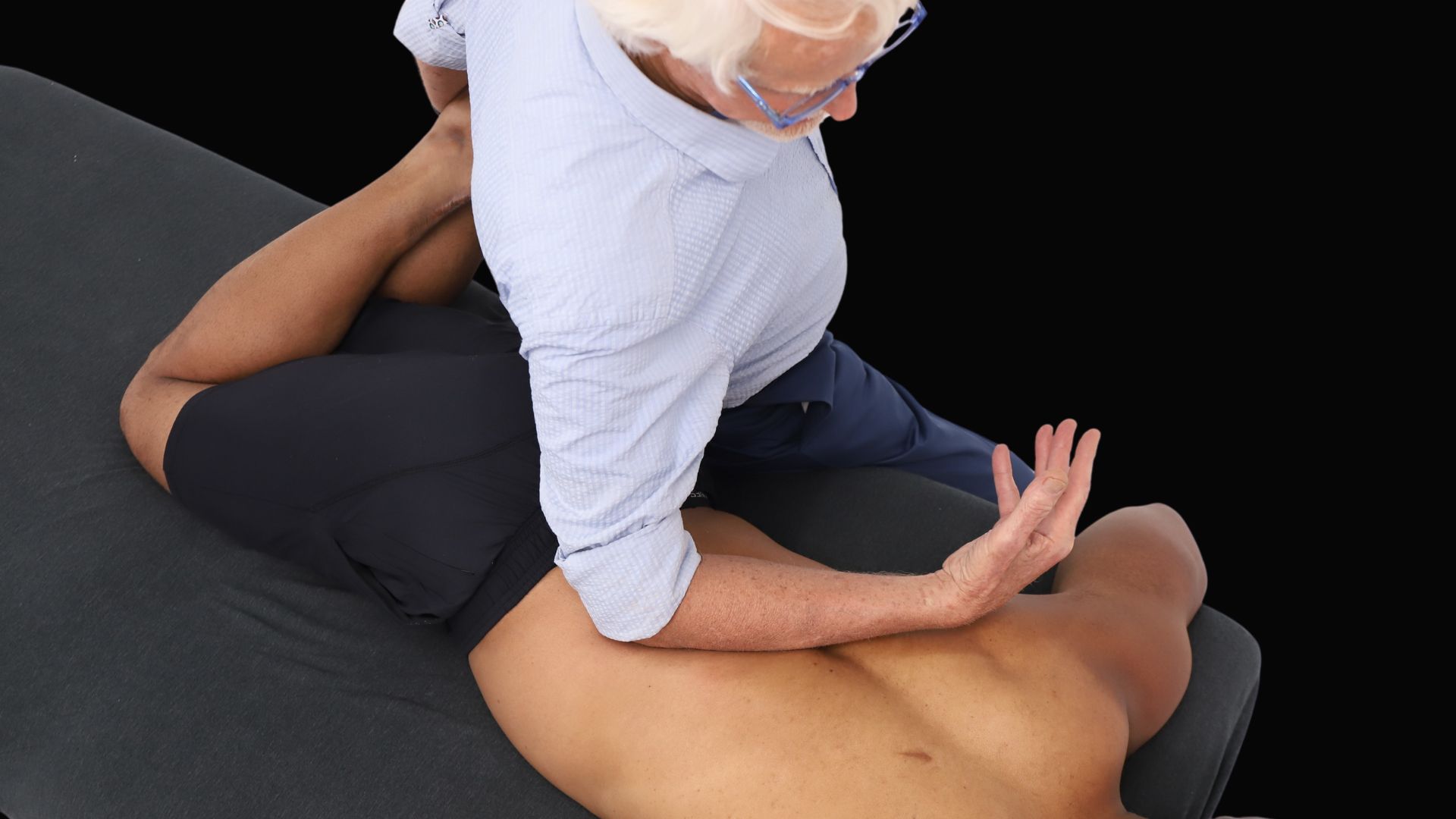
Get a firm grip on finger and forearm techniques Have you ever noticed your fingers cramping or forearms slipping along the surface of the client’s
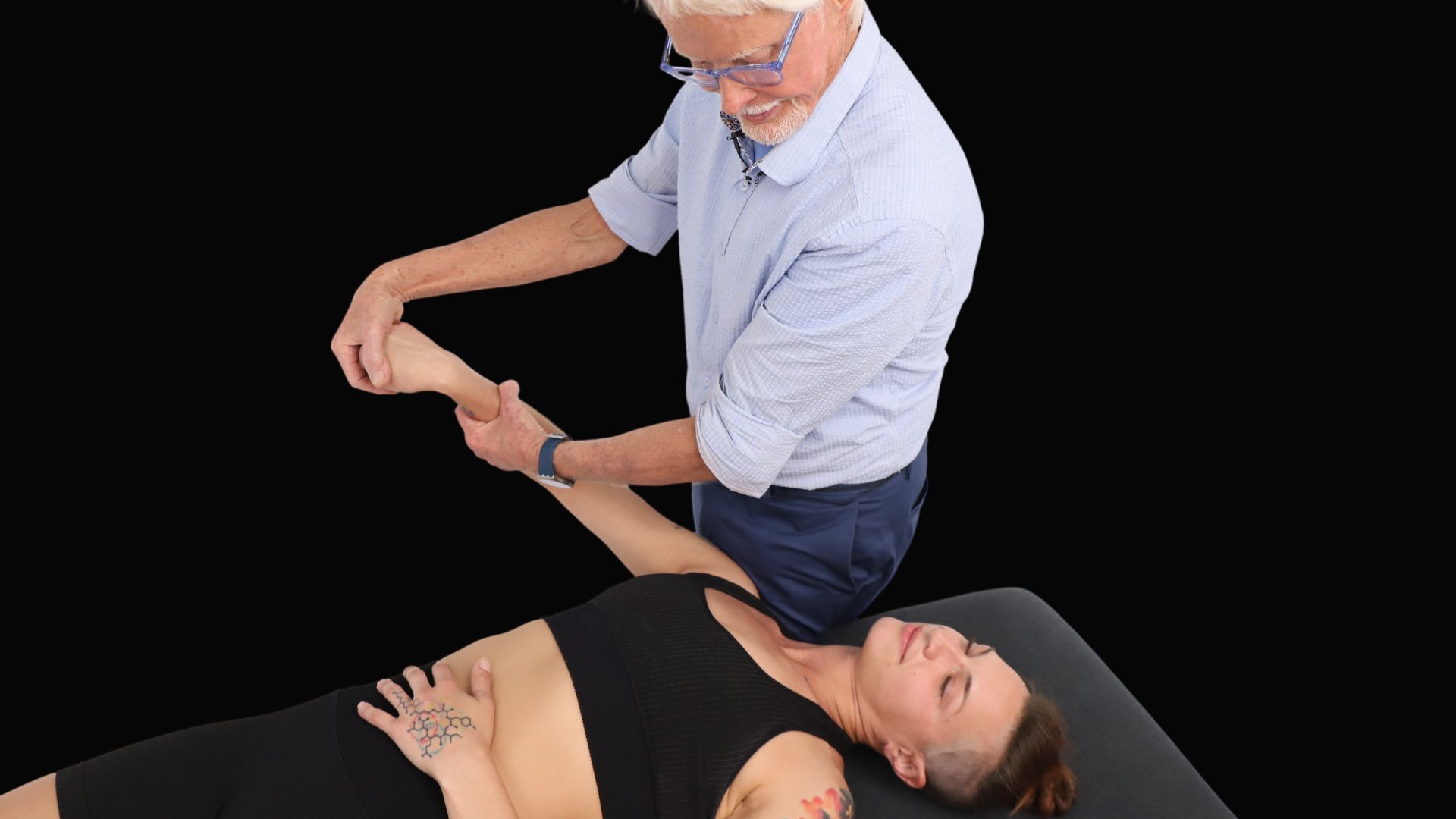
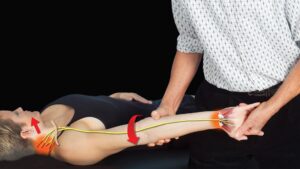
Neurodynamics is a term coined by physical therapists David Butler and Michael Shacklock to describe manual methods for mobilizing peripheral nerves. Nerve mobilization includes nerve gliding and nerve tensioning.
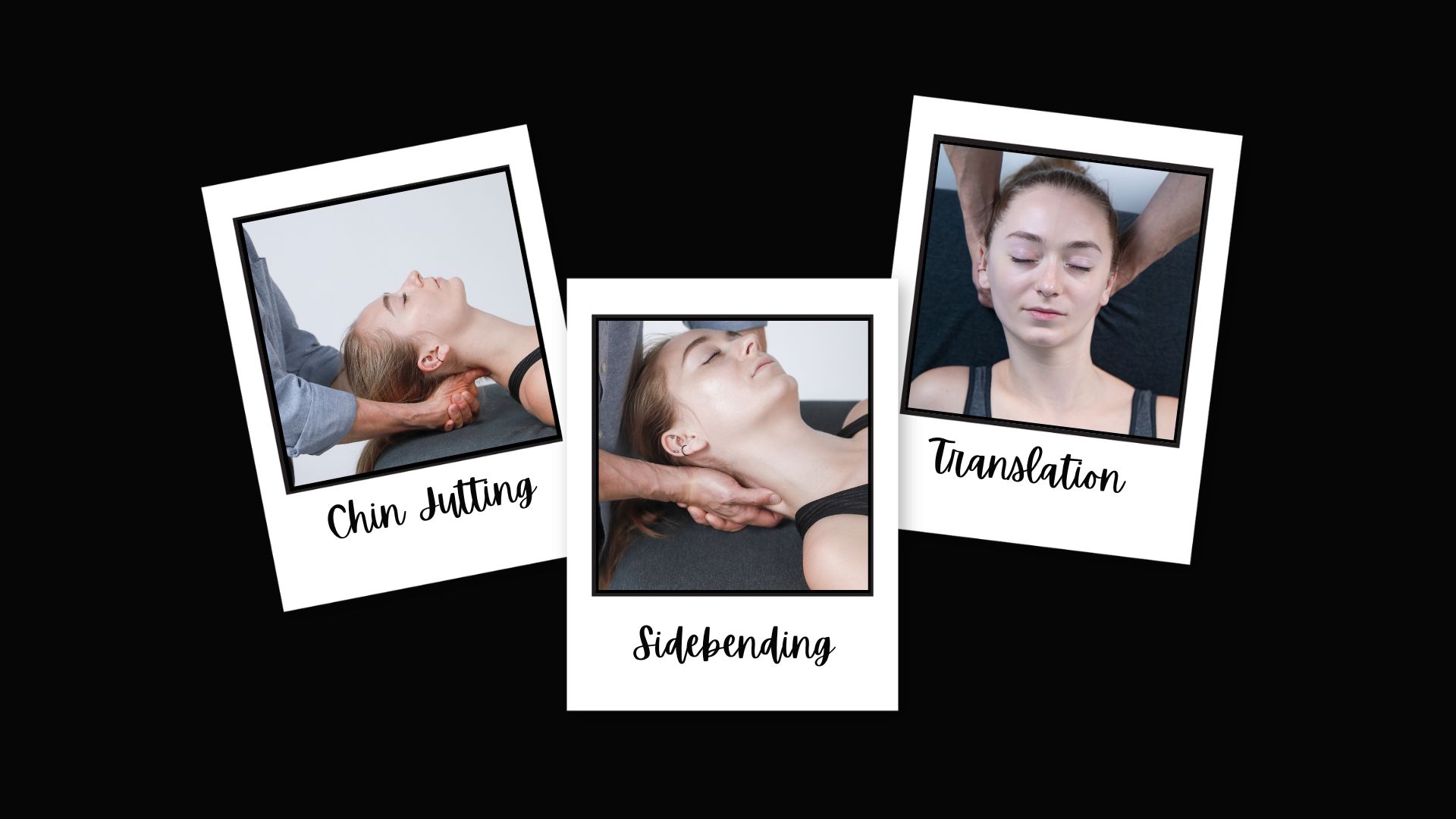
Would you like an effective neck mobilization routine to use in your practice? Click here to learn more…
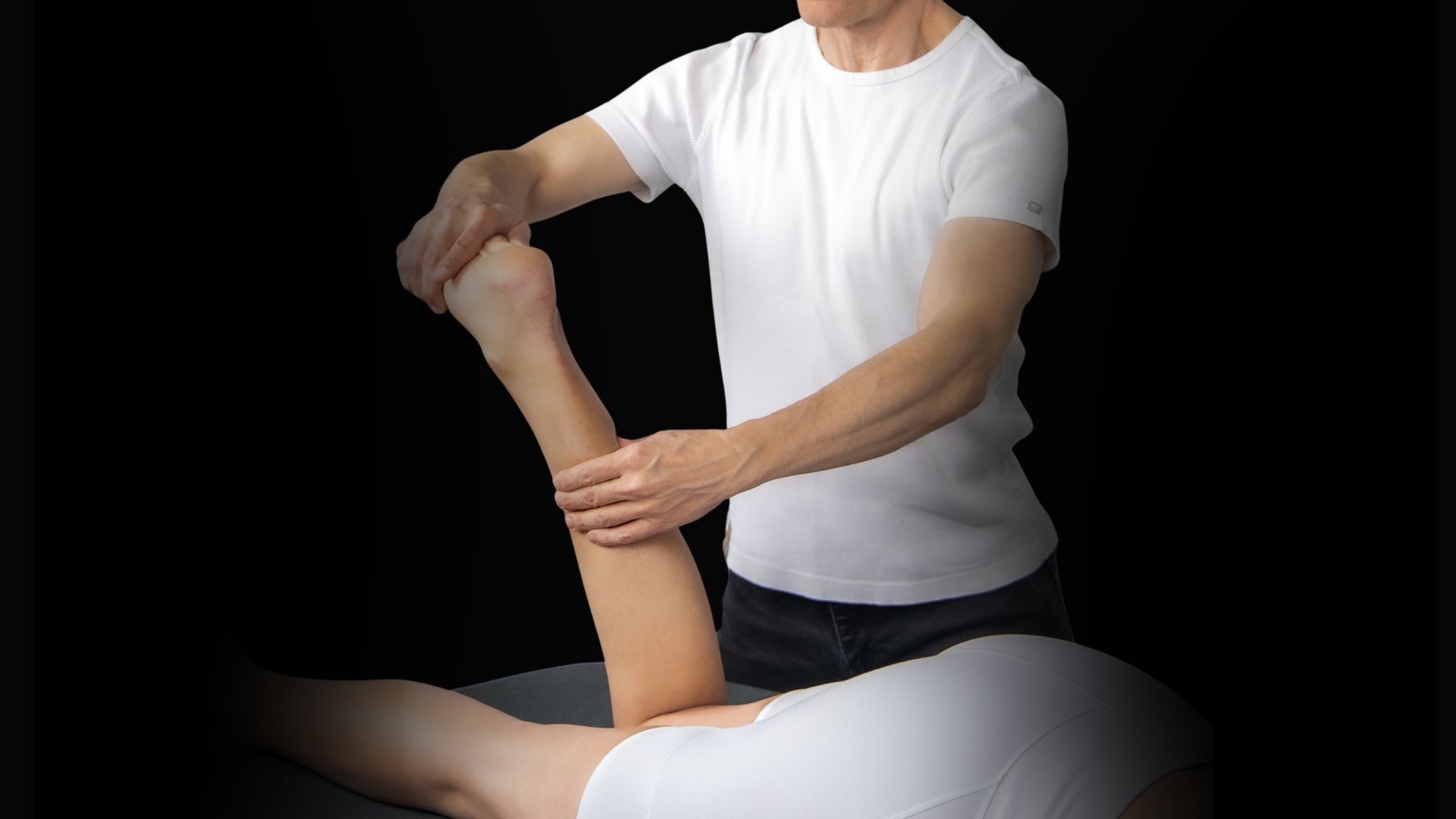
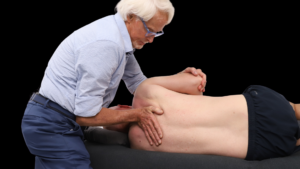
In Myoskeletal Alignment Techniques we use several manual methods that lubricate joints and soft tissue by generating warmth in the tissue and rolling fascial sacs across associated structures. Some of these methods restore capsular flexibility, enhance joint play, and encourage pain-free range of motion. Others stimulate muscle spindles to turn on weak muscles and improve their firing patterns.
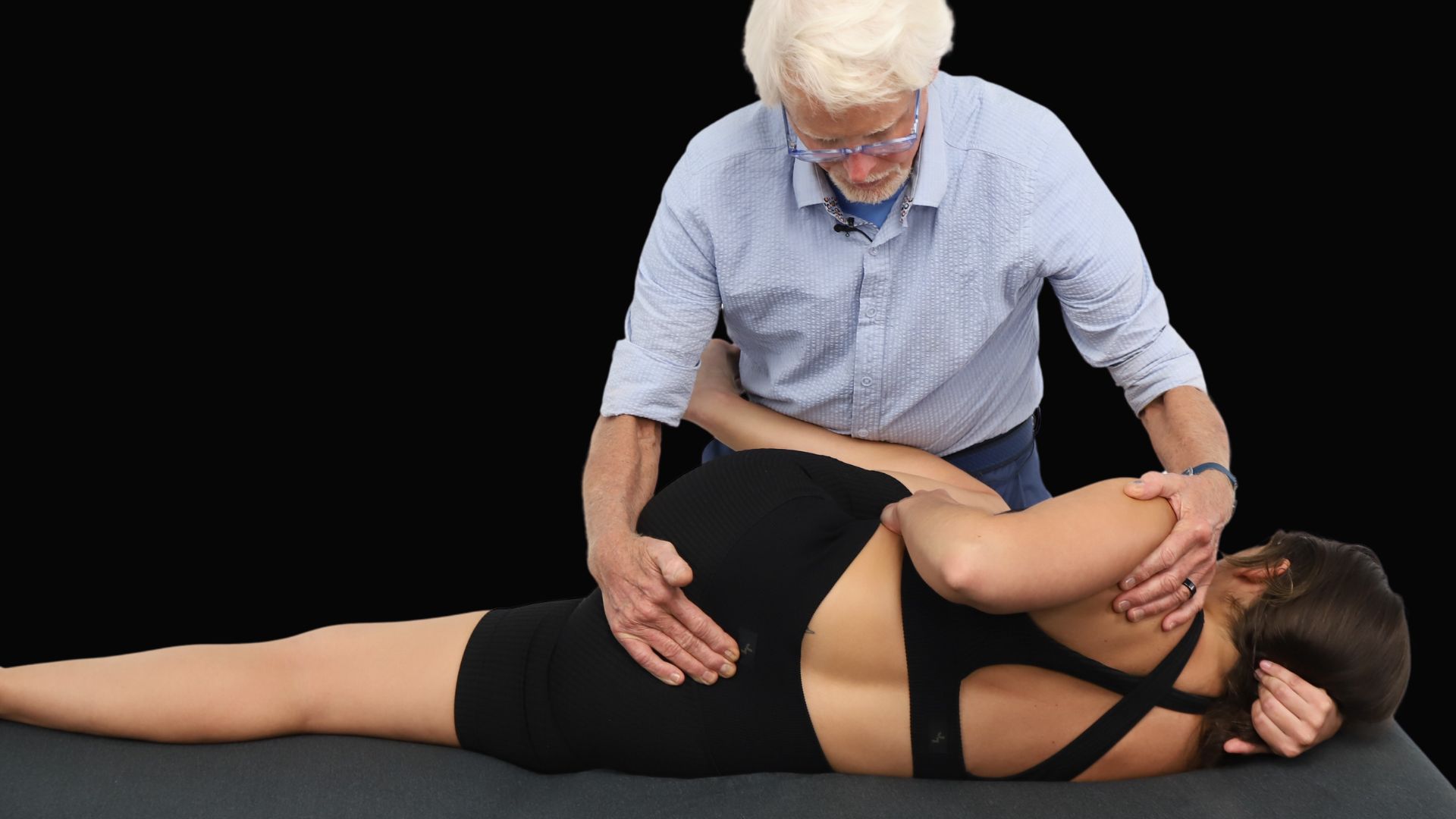
The zygapophyseal joints are a crucial component of the human vertebral column, contributing to its stability, flexibility, and load-bearing capabilities. Learn two techniques that improve Z joint function.
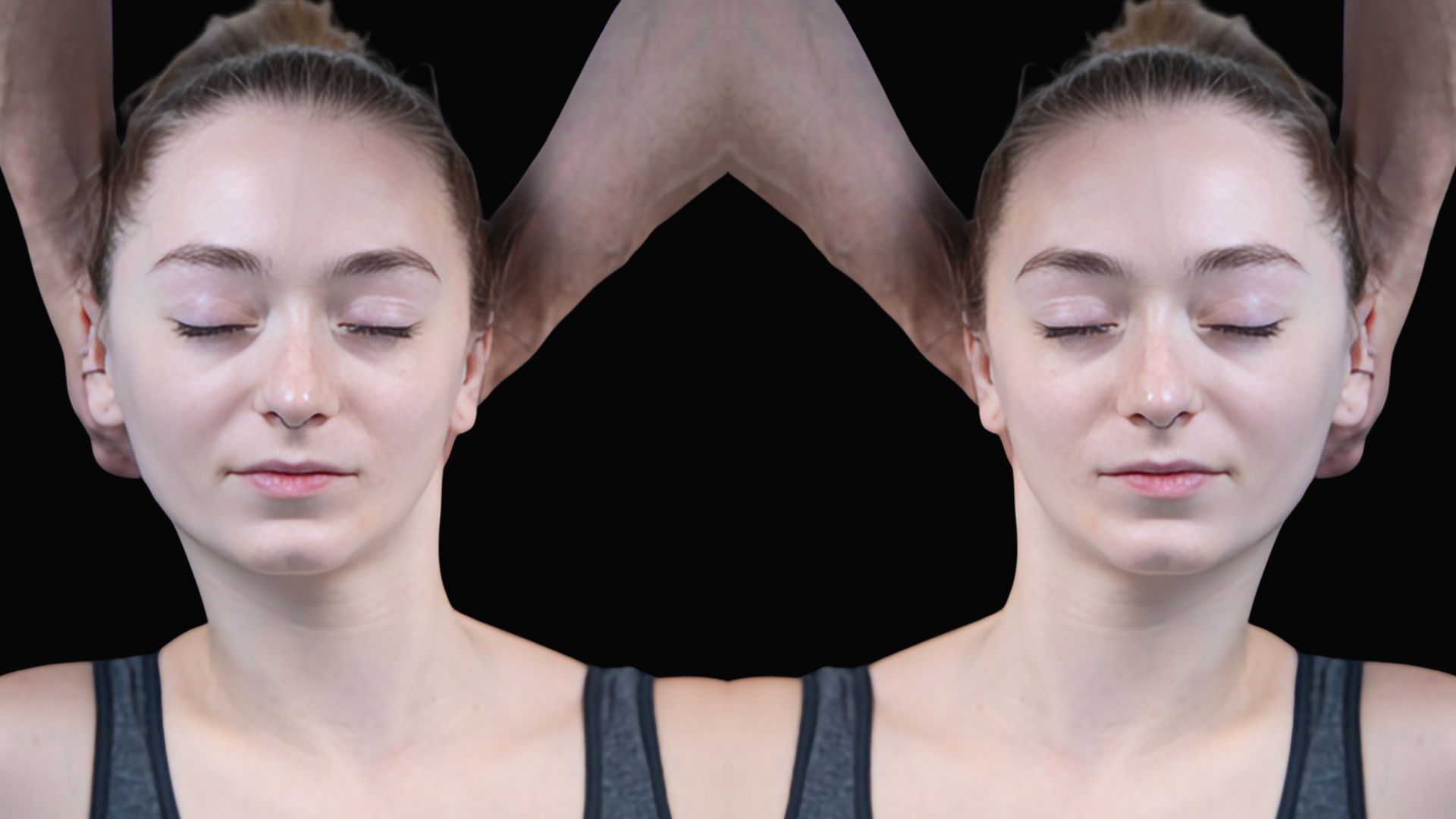
Undulation is the bi-directional lateral flexion of the spine observed in reptiles and humans. The intent of undulation is to reawaken the brain-body connection by inducing smooth, rhythmic motion through all spinal segments. This undulating mobilization technique is a valuable tool to use with your clients. Click here to watch a video and learn more.
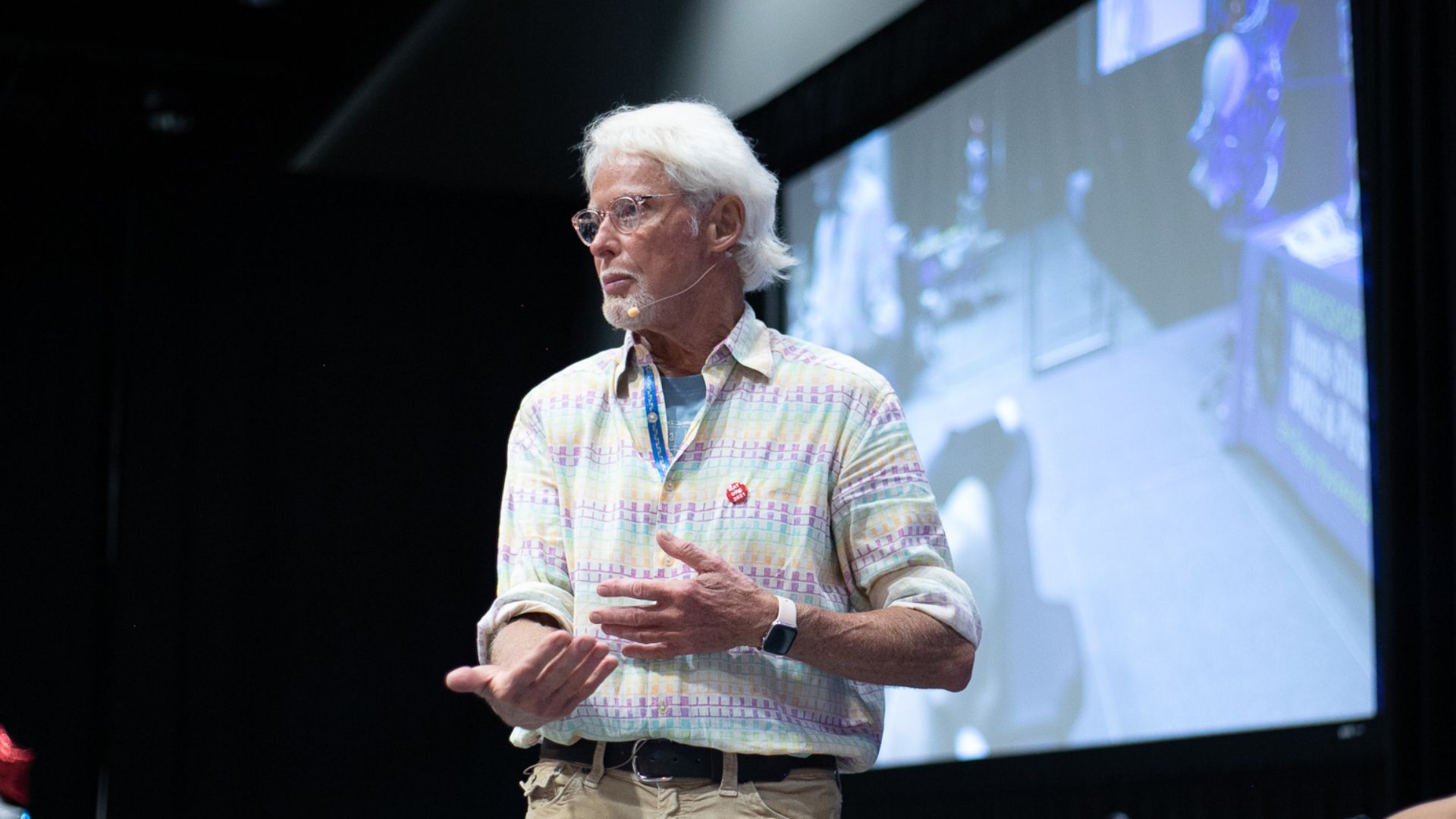
Few lives have intertwined artistic creativity with scientific innovation as seamlessly as Erik Dalton’s. Renowned worldwide as the founder of Myoskeletal Alignment Techniques (MAT), Erik’s
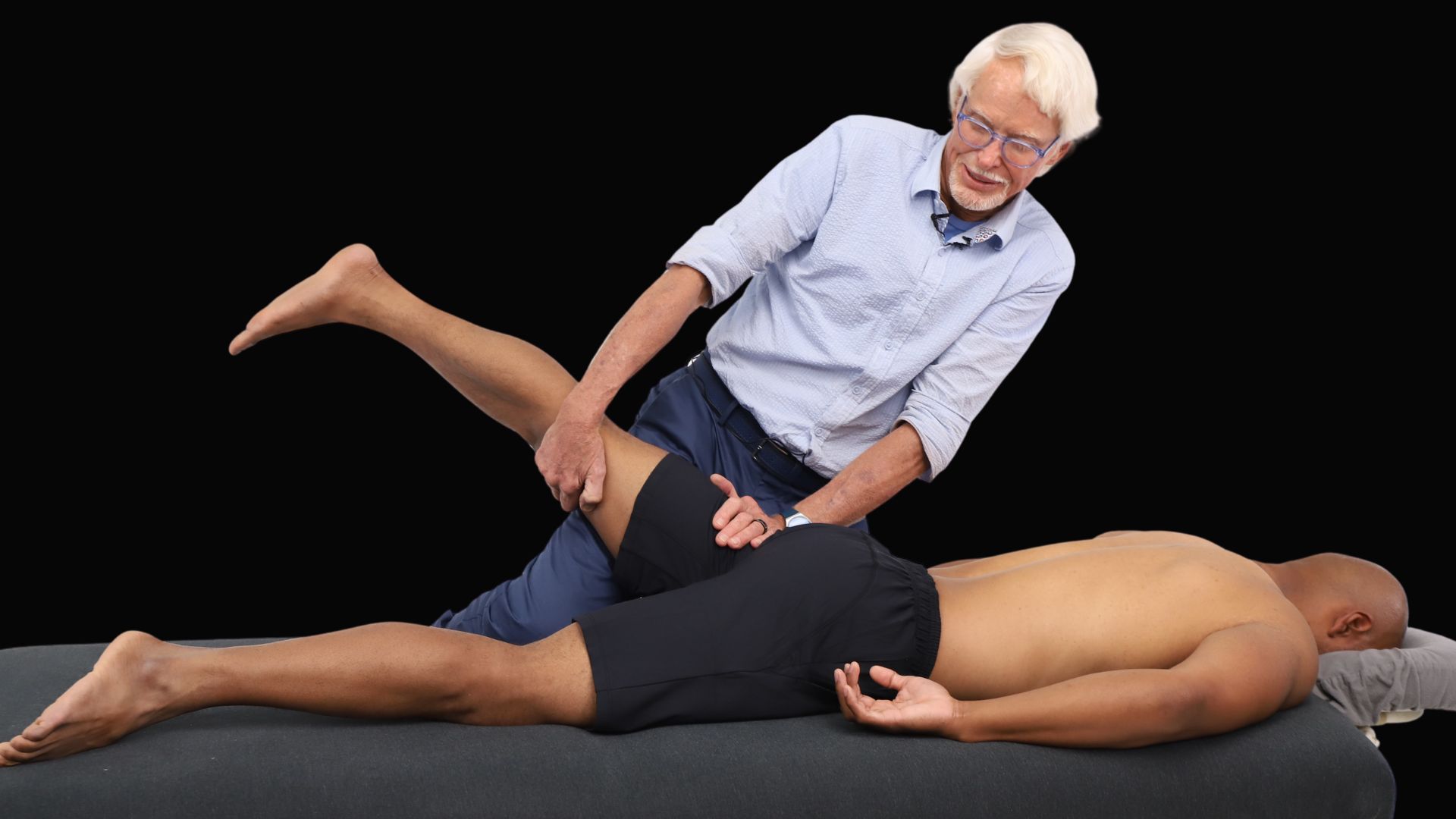
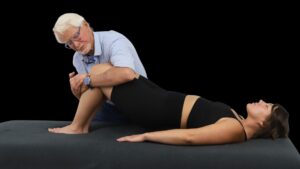
In Myoskeletal Alignment Technique (MAT), therapists use graded exposure (GE) stretches to improve flexibility and help clients engage with painful movement barriers. GE stretching reduces the anxiety associated with a particular movement pattern or situation.