Erik Dalton Blog

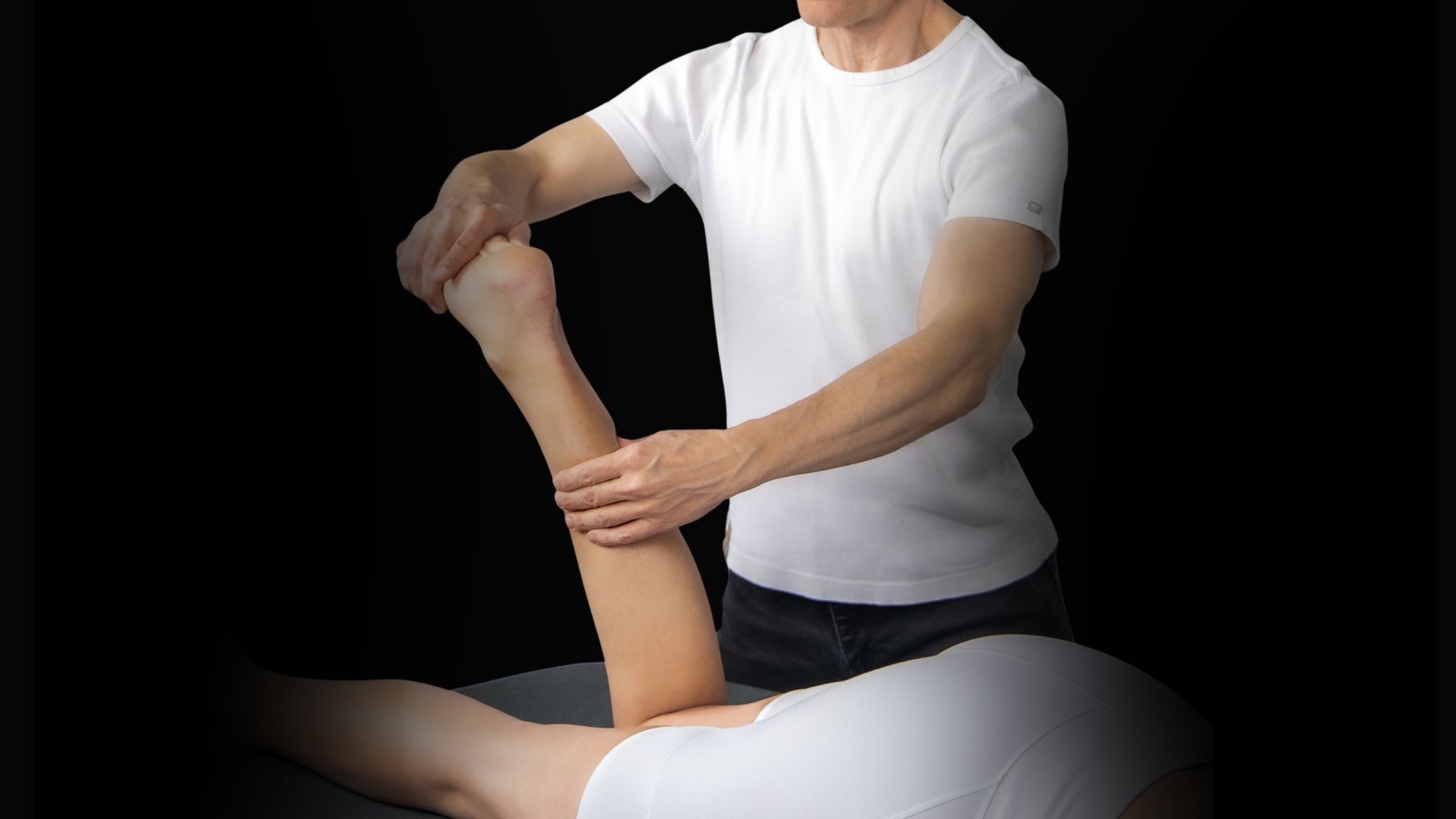
Belly Work: Erik’s Visceral Sequence for Manual Therapists

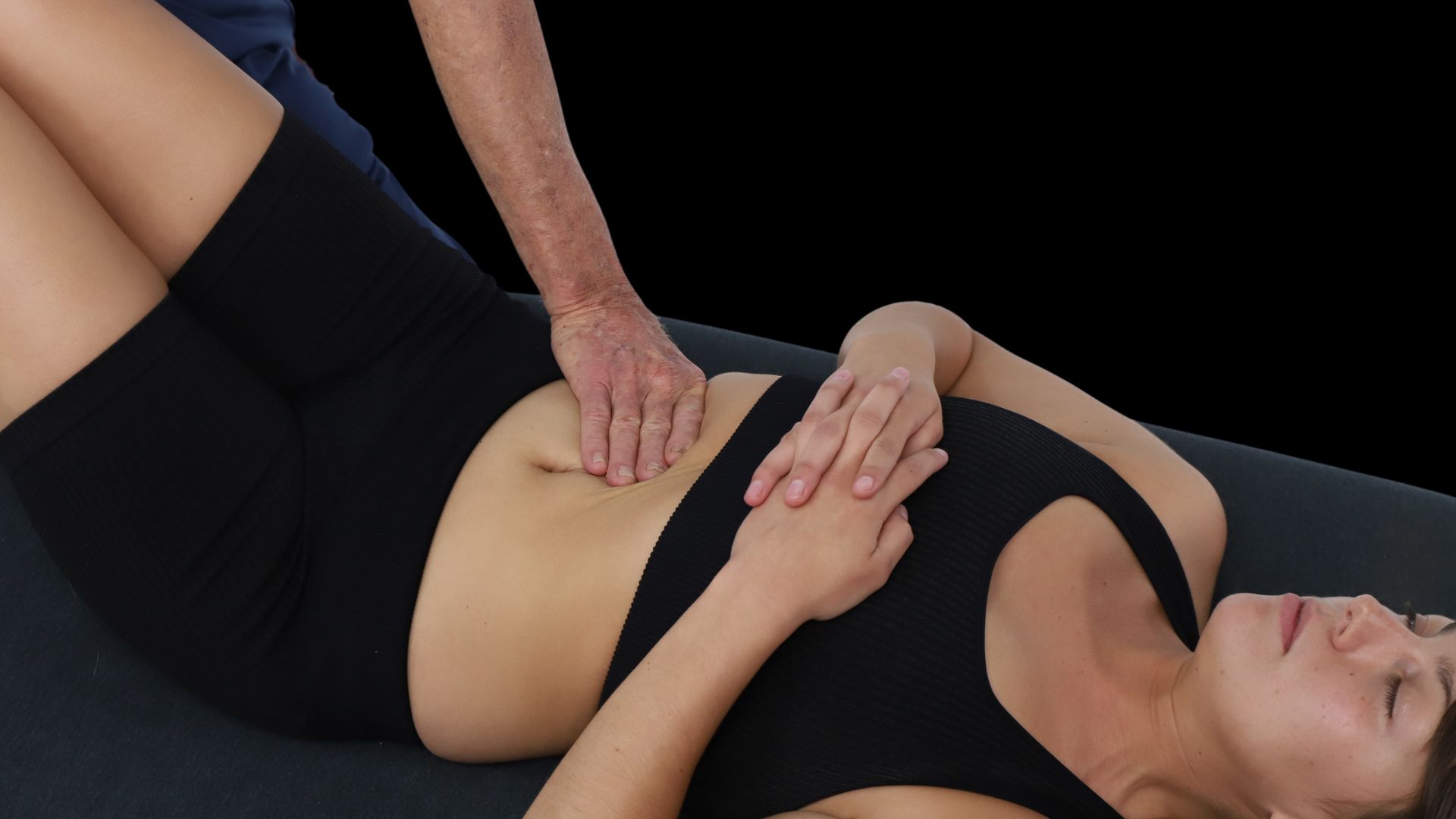
Manual therapists often spend hours working with the spine, hips, shoulders, and neck, yet the abdomen is easy to avoid. It can feel personal, vulnerable, or outside the familiar territory of musculoskeletal work. But the abdomen is an important link to posture, breathing, spinal motion, pelvic support, and the nervous system.
Read More »

The Guarded Pelvis

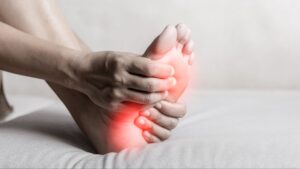
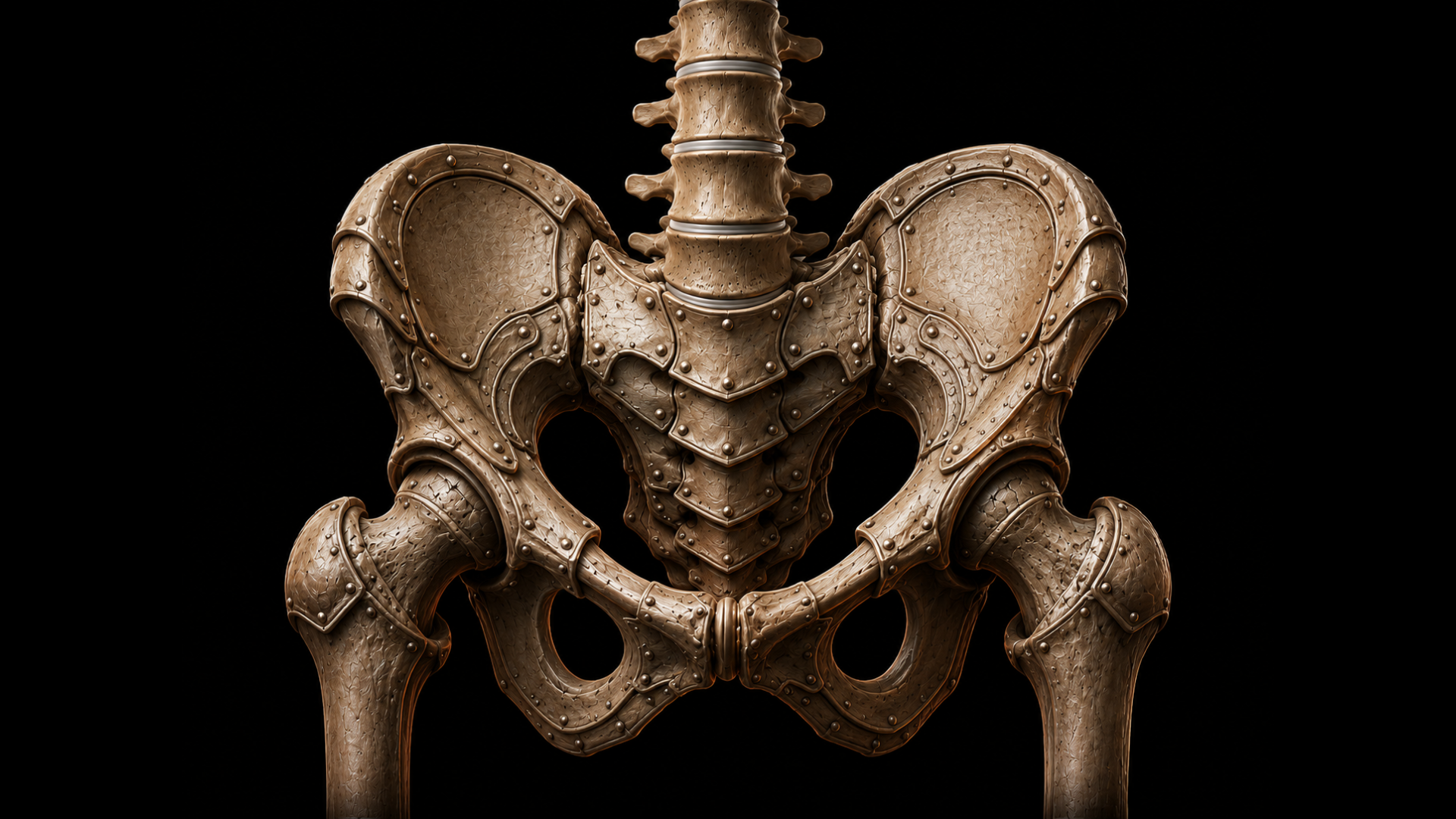
Pelvic pain can be frustrating because it often feels local, but the pattern is rarely isolated. A client may point to one sacroiliac joint, one hip, one side of the low back, or the pubic symphysis and say, “It hurts right here.” But the pelvis functions as a ring. When one part of the ring stops moving well, the rest of the ring has to adapt.

Read More »

Cervical Restrictions in a Forward-Head World

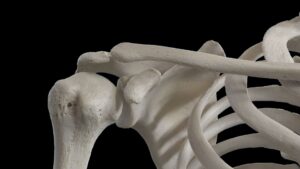
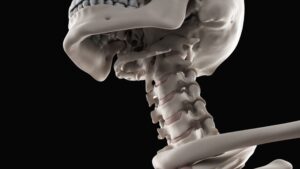
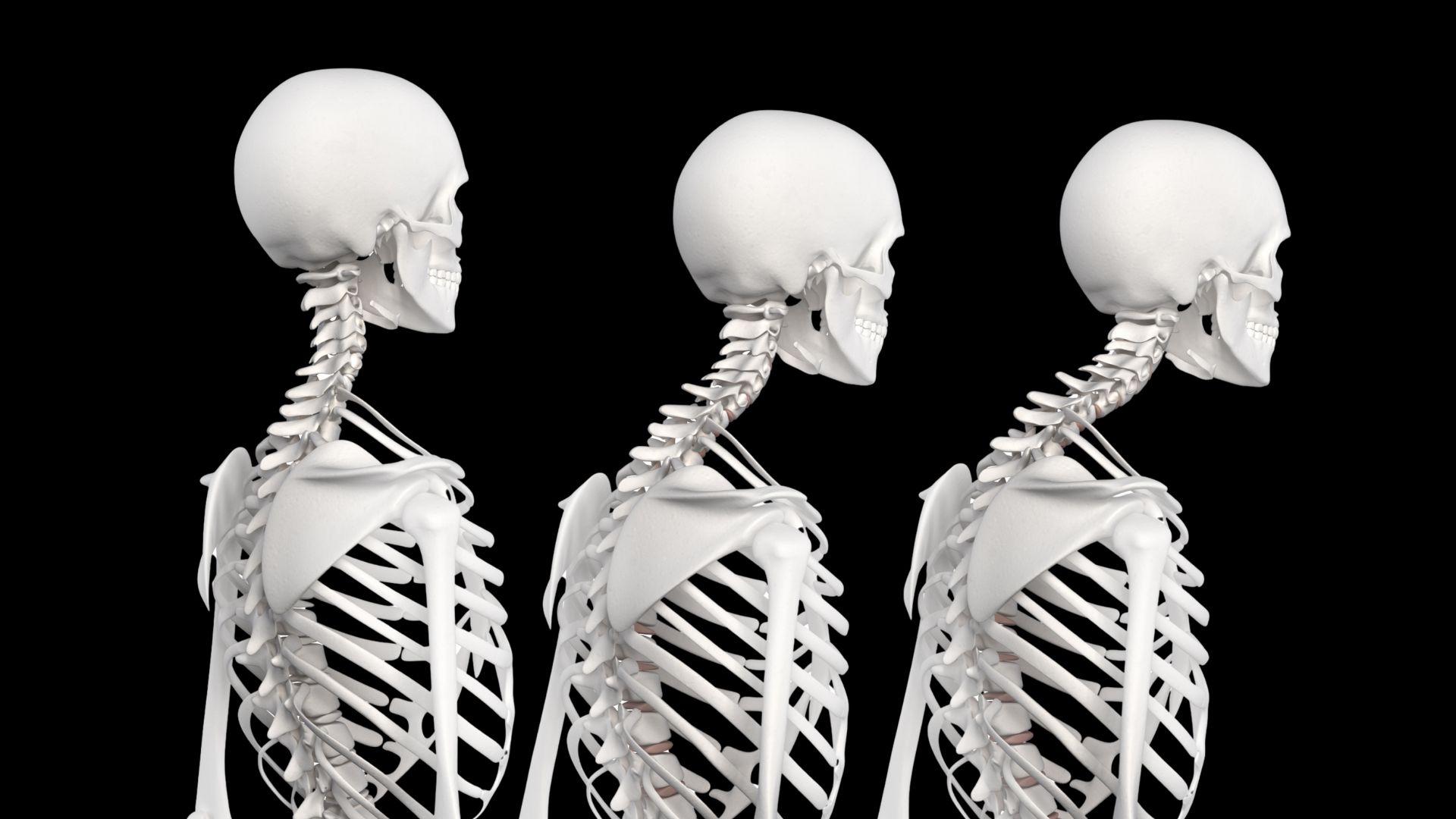
Forward-head posture (FHP) has become the defining musculoskeletal pattern of modern life, and we see it every day in our session rooms. Hours spent focusing on small visual targets such as phones, laptops, and tablets shift the cranium anteriorly relative to the thorax, altering load distribution throughout the entire kinetic chain.

Read More »

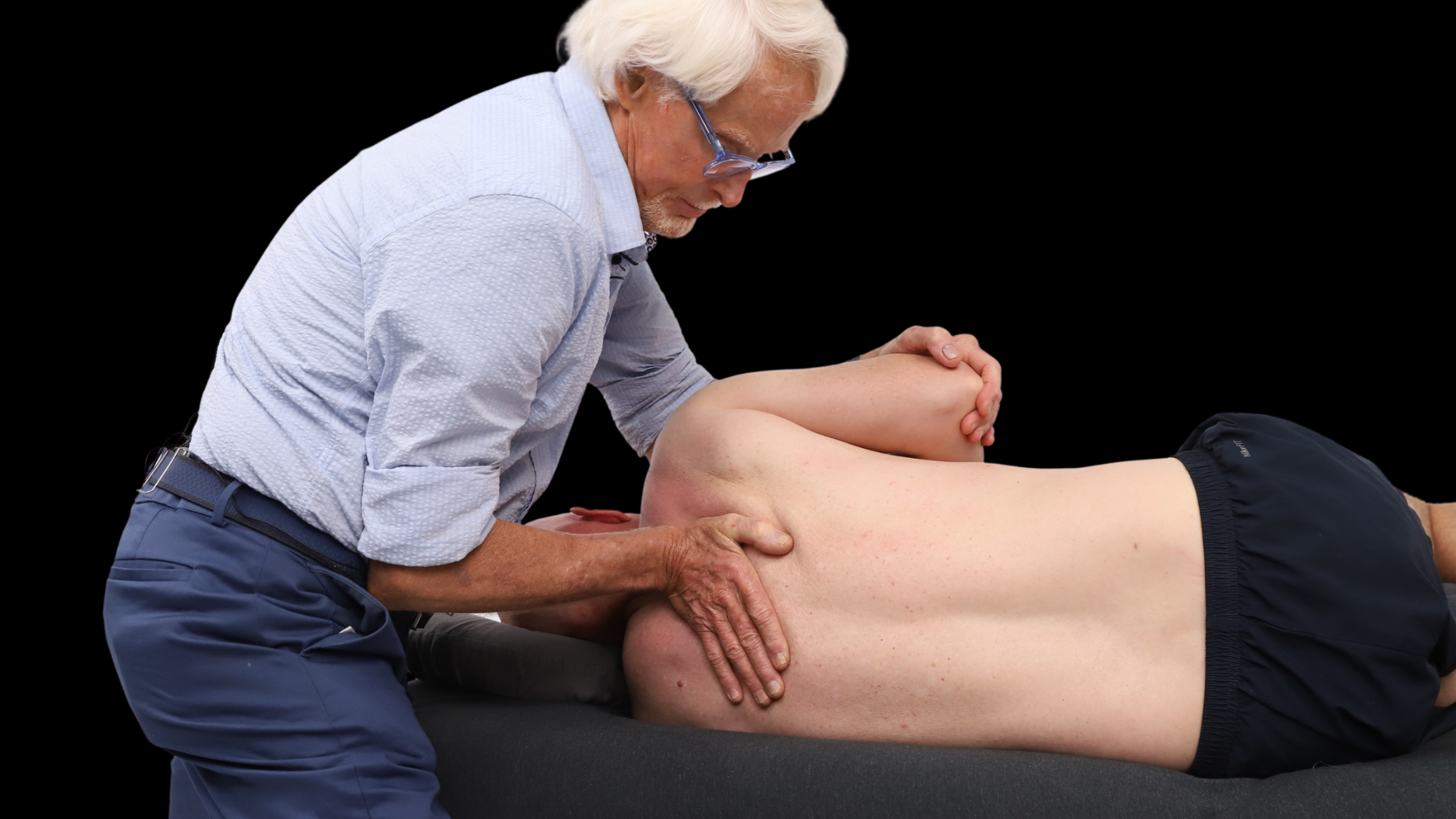
Pin, Twist, Sling, and Resist

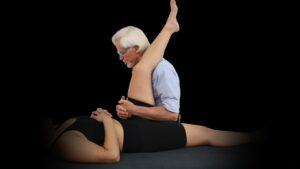
In Myoskeletal Alignment Techniques we use several manual methods that lubricate joints and soft tissue by generating warmth in the tissue and rolling fascial sacs across associated structures. Some of these methods restore capsular flexibility, enhance joint play, and encourage pain-free range of motion. Others stimulate muscle spindles to turn on weak muscles and improve their firing patterns.

Read More »

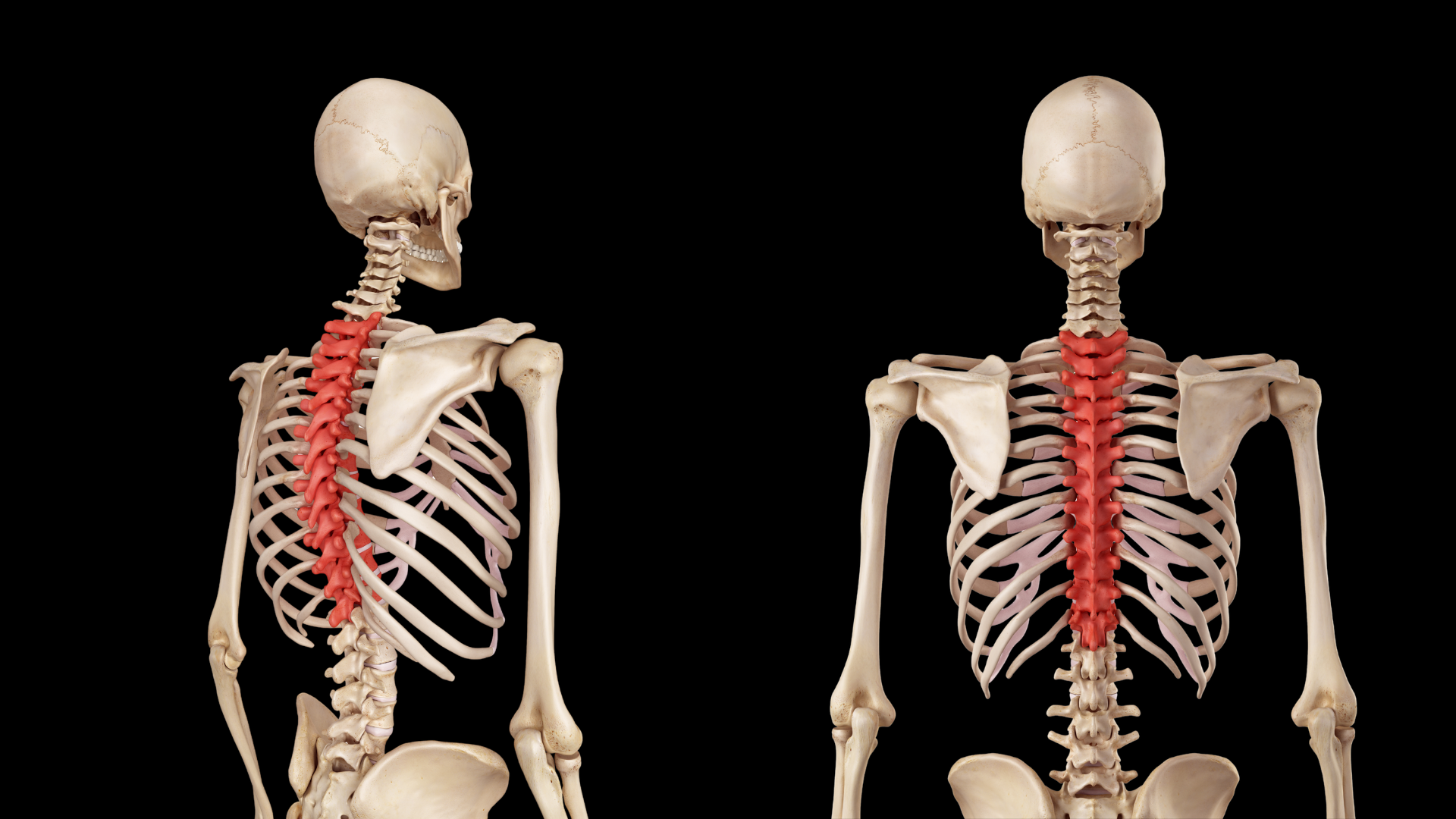
The ABZs of Low Back Pain

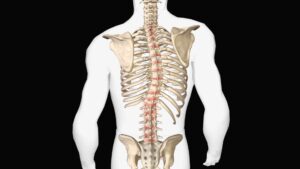
The zygapophyseal joints are a crucial component of the human vertebral column, contributing to its stability, flexibility, and load-bearing capabilities. Learn two techniques that improve Z joint function.

Read More »

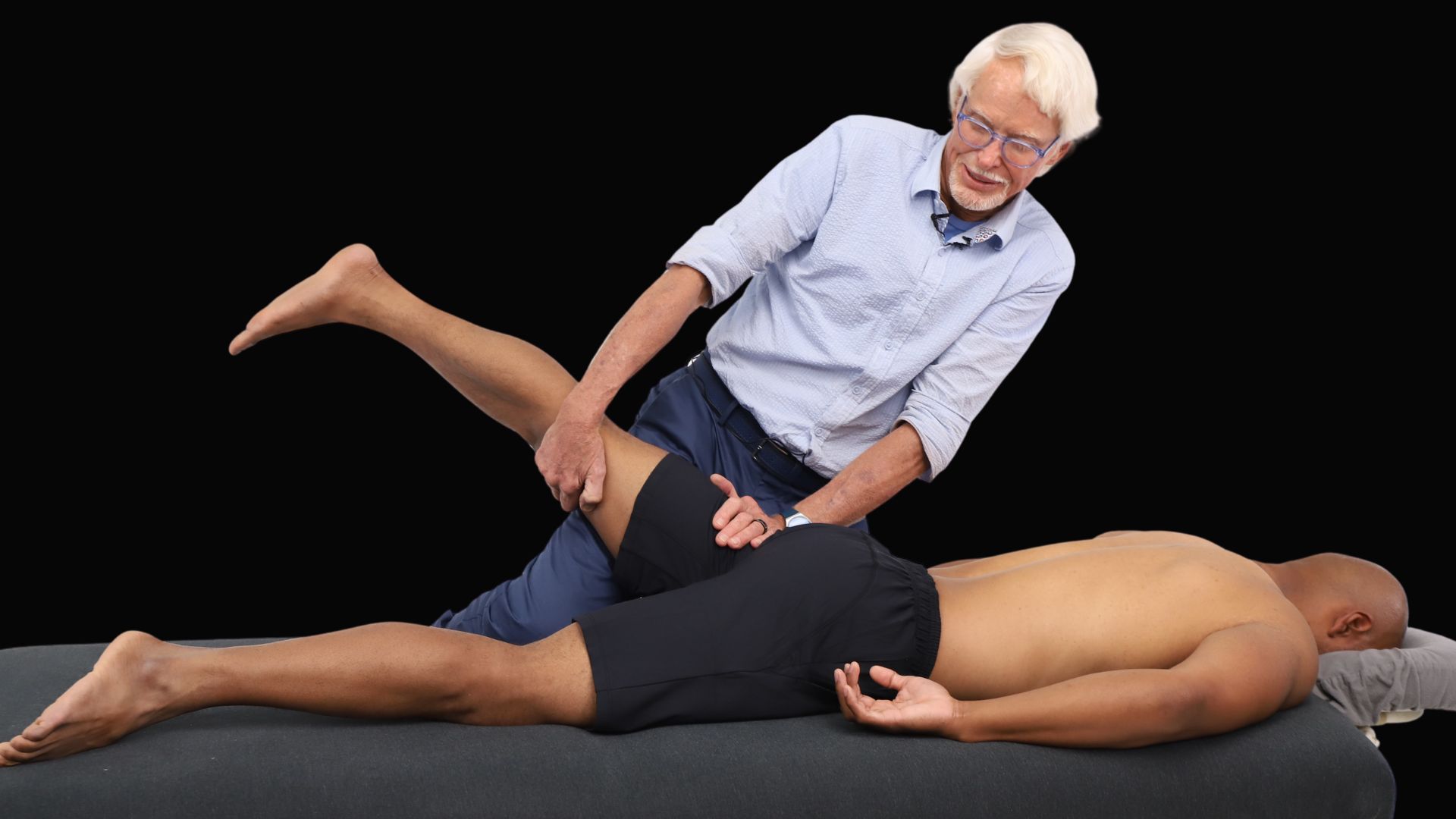
Getting to the Bottom of Butt Pain

If your back hurts, it’s your butt’s fault. In this article, we’ll define deep gluteal syndrome, discuss the biomechanical and behavioral factors that contribute to dysfunction, and outline a holistic treatment plan that aims to “level the tail.”

Read More »

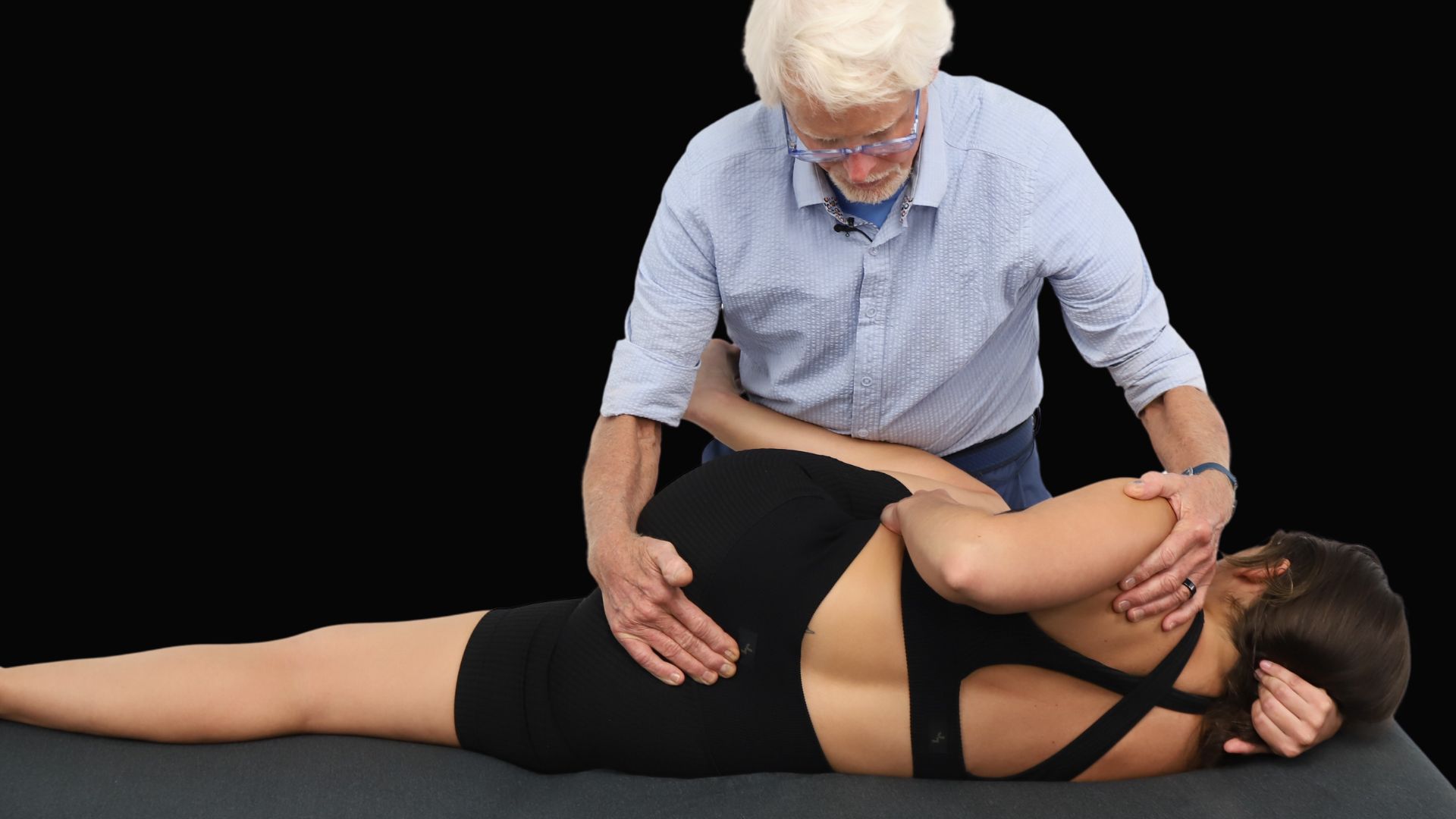
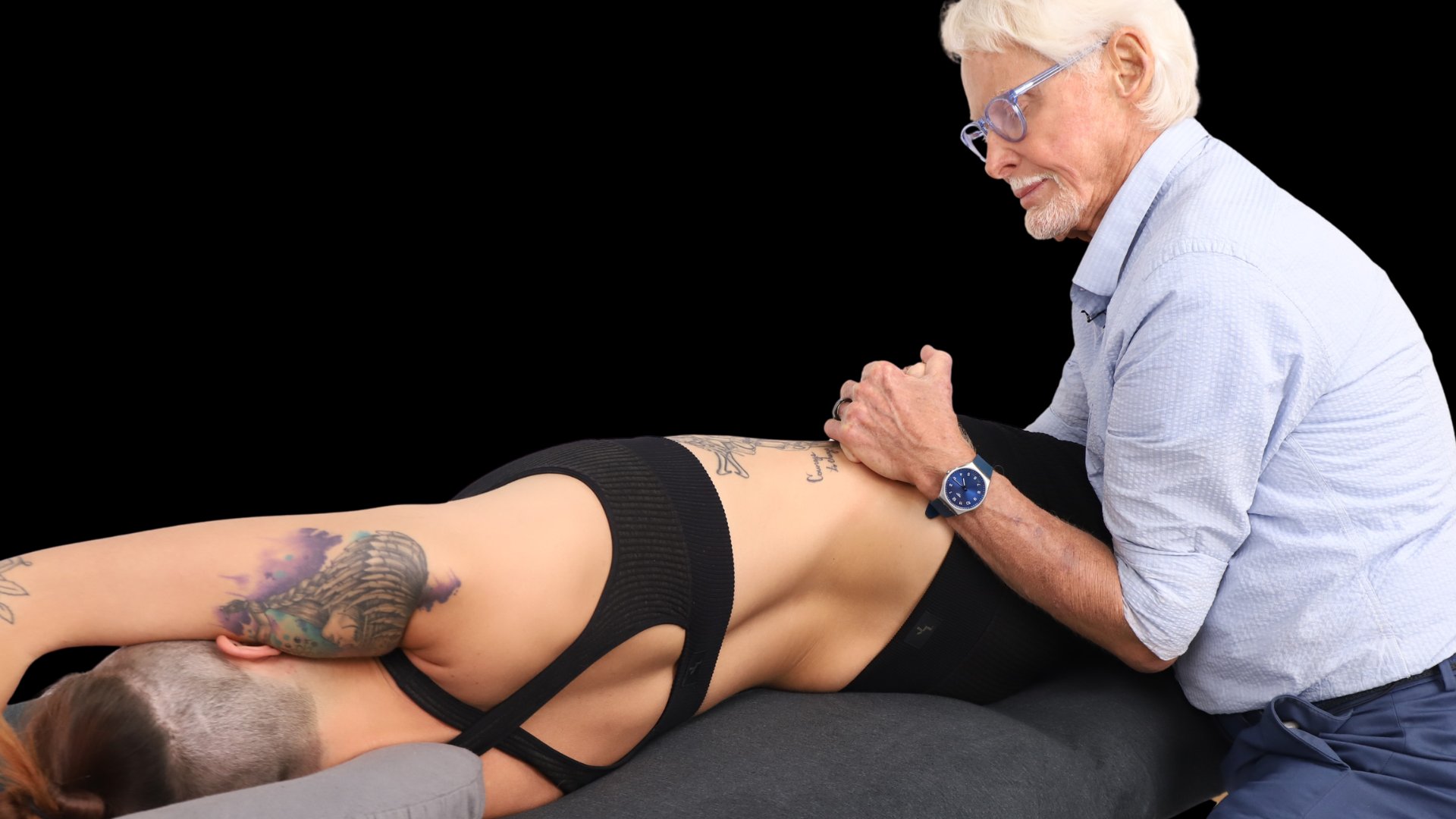
What Side are You On?

Erik created a series of innovative sidelying techniques that empower therapists to move beyond symptom relief and deliver transformative therapeutic experiences.

Read More »

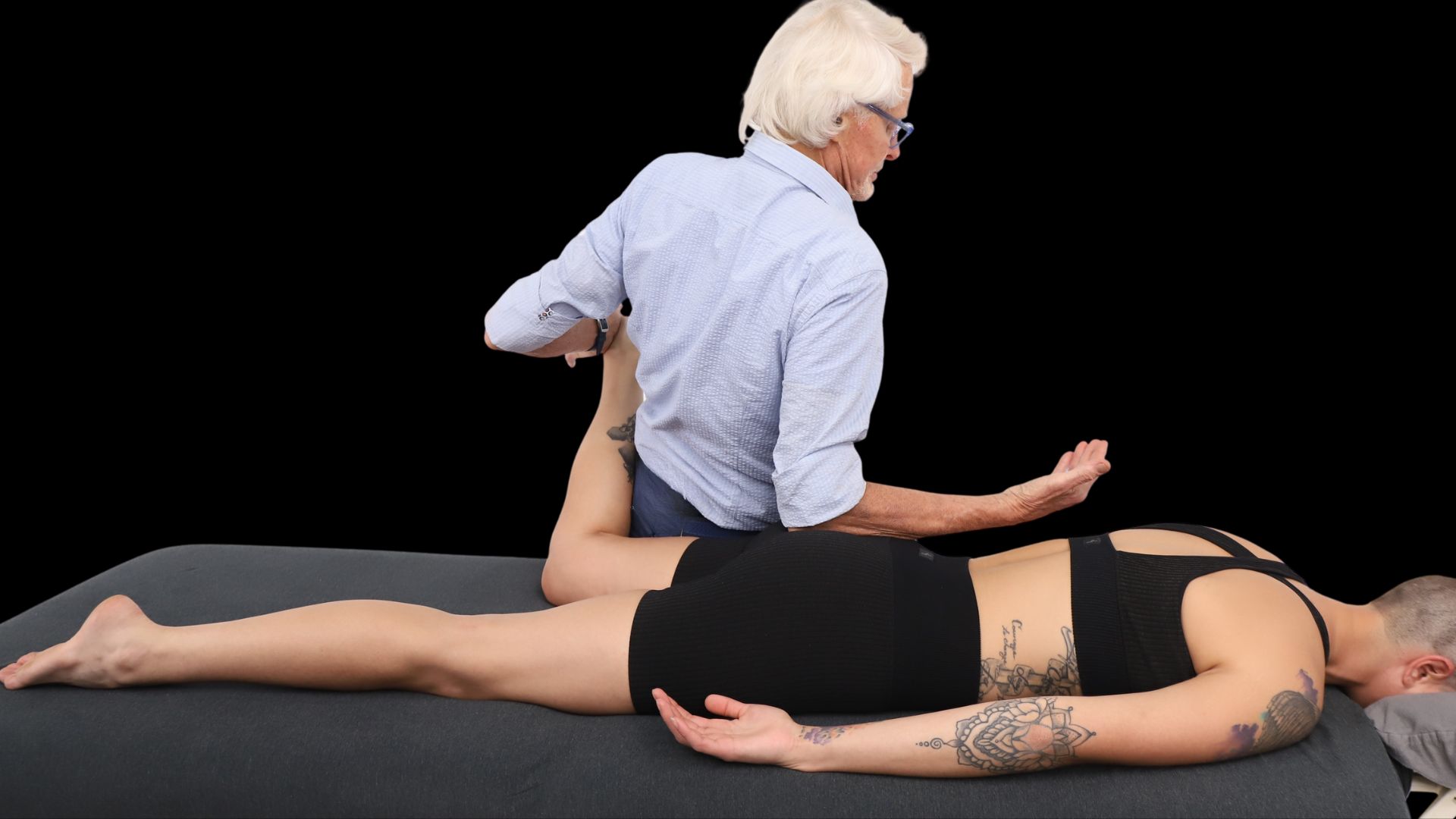
Undulation: Bring Back the Wave!

https://vimeo.com/1173404817?share=copy&fl=sv&fe=ci Introduction Undulatory locomotion is one of the most fundamental and primitive modes of movement observed in the animal kingdom, particularly among vertebrates. This type

Read More »

Dalton's Technique Tuesday Newsletter

Free subscription to the Technique Tuesday newsletter. Sign up to receive an in-depth article and technique video in your inbox every Tuesday.

Subscribe to Youtube

Proud to be an Approved Provider for Continuing Education

Free subscription to the Technique Tuesday Newsletter

Receive an in-depth article like the one on this page along with a technique video every week in your inbox with no subscription fees.