By Erik Dalton
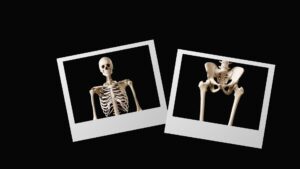
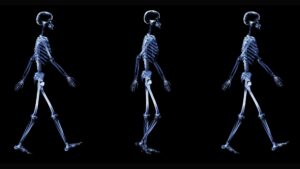
Over millennia, the evolution of our ancestors from quadrupedal to bipedal beings gave rise to hips designed for dynamic movement. The Homo erectus, emerging about 1.9 million years ago, bore a pelvis and hip joints devised for walking, running, squatting, bending, and stretching as they foraged for food and hunted.1
However, as agriculture arose about 10,000 years ago, people stopped walking long distances and started planting seeds and tending crops and animals.2 Archeologists note that bones lost density, and the prevalence of osteoarthritis spiked.3
Another significant change occurred when humans shifted from agricultural societies into factories and urban environments. Factory work is repetitive and sedentary, while urban living promotes less varied physical movement.4 And today, the situation is worse.
Evolutionary Design Meets Contemporary Living
Whether watching television, answering texts, working at computers, or playing video games, researchers say that most people living in modern societies spend between 7 and 10 hours sitting in front of screens.5 With hips optimized for a life of varied movement, all this sitting poses significant challenges to the intricate biomechanics of the lower kinetic chain.
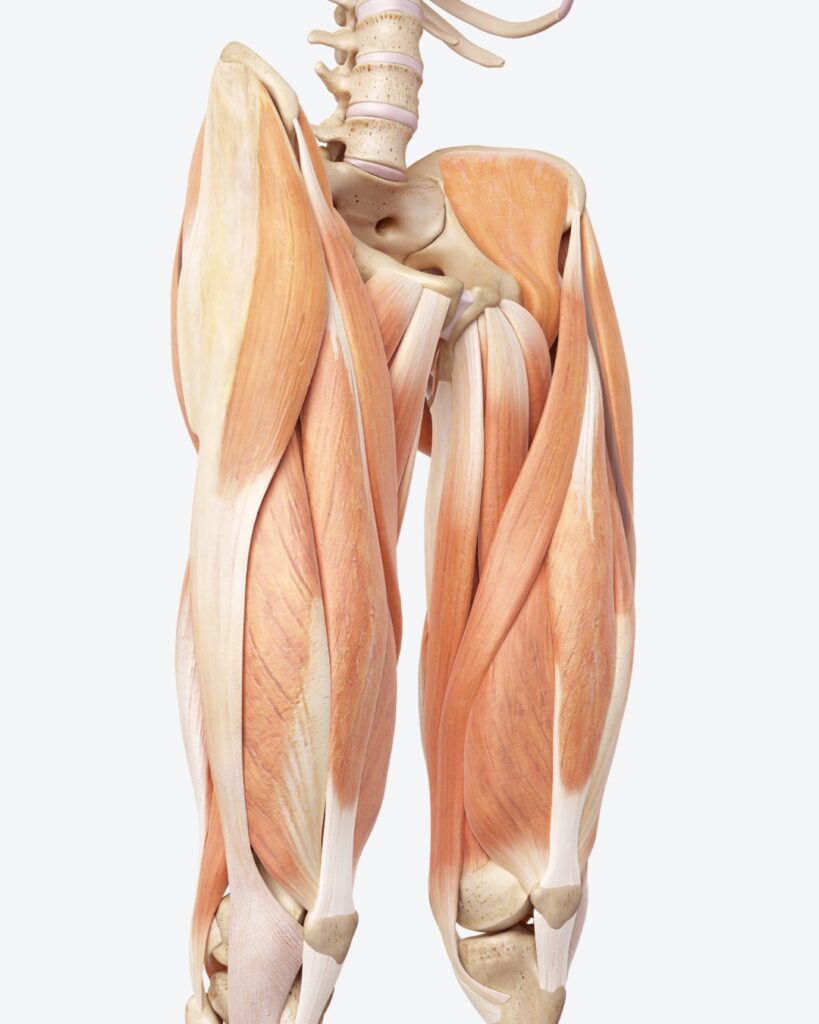
For example, bones lose density, circulation slows, and repetitive stresses lead to joint degeneration. Prolonged sitting causes the hip flexors to tighten and hip extensors to grow weak, resulting in anterior pelvic tilts and exaggerated lumbar lordosis. Additionally, a lack of strength or flexibility in any of the 21 muscles that cross the hip joint can lead to abnormal force distribution and dysfunctional movement patterns. It’s no surprise that osteoarthritis and greater trochanteric pain syndrome are common causes of pain, muscle guarding, possible inflammation, and the adoption of compensatory adaptations.
MAT Gets Clients Moving
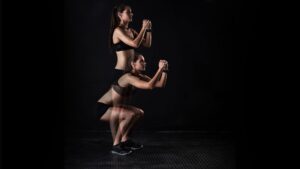
As we’ve discussed, humans evolved to walk, run, squat, bend, and stretch. So, one principle of Myoskeletal Alignment Technique (MAT) is to get clients moving. People who experience physical pain often fear moving because they believe it will worsen their condition. As we expose clients to pain-free movement, the body feels safe to down-regulate nervous system activity and drop protective muscle guarding, enhancing session outcomes.
MAT typically takes a holistic approach to biomechanical issues. For example, correcting faulty foot mechanics might be essential for proper hip function. Because of space limitations, I’ve focused on five methods to help clients counter our sitting culture and encourage bodyworkers to introduce more movement into their treatment toolbox. These techniques should not feel painful. Discontinue any technique that is uncomfortable for the client.
Hip Decompression Part 1
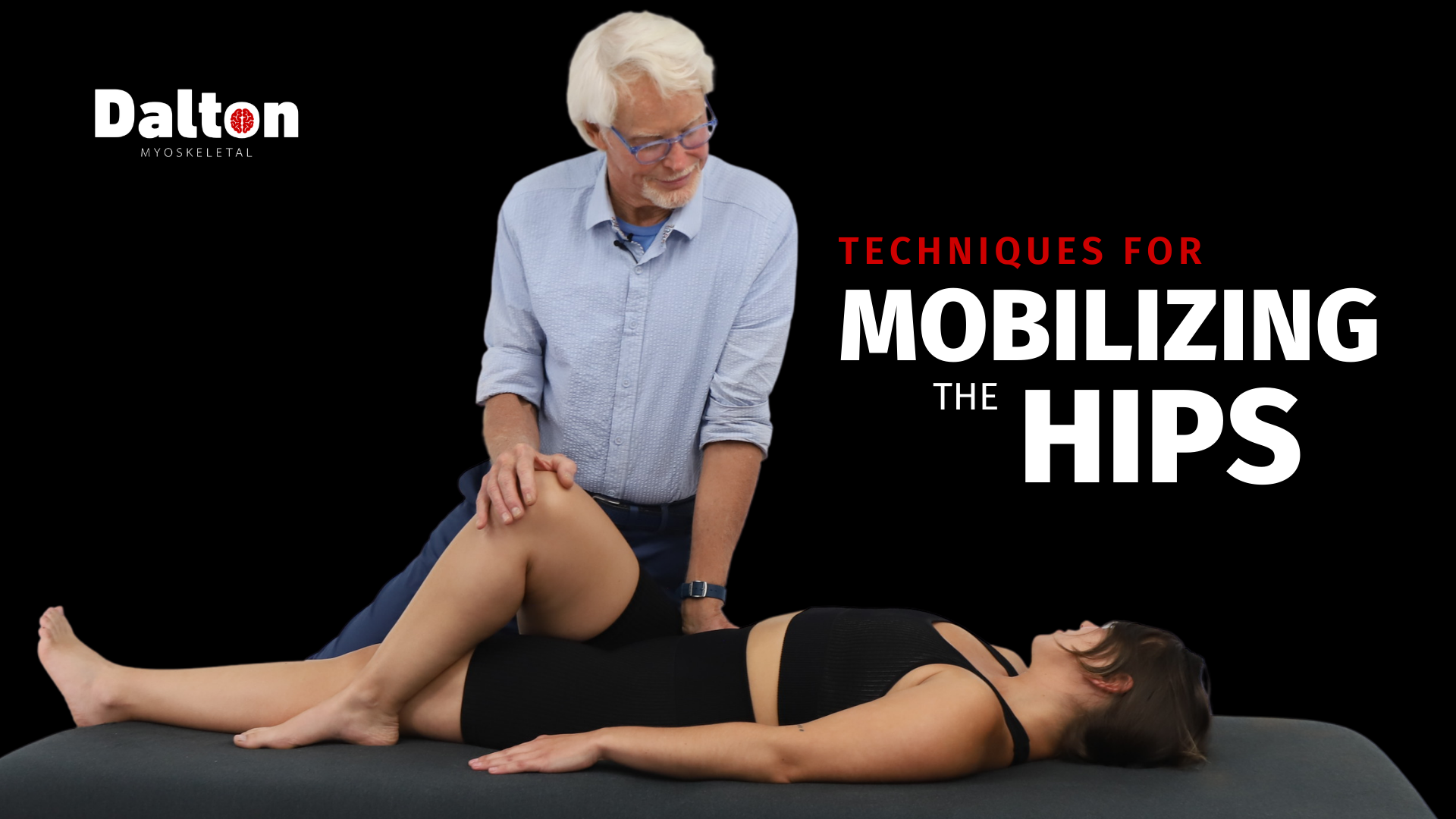
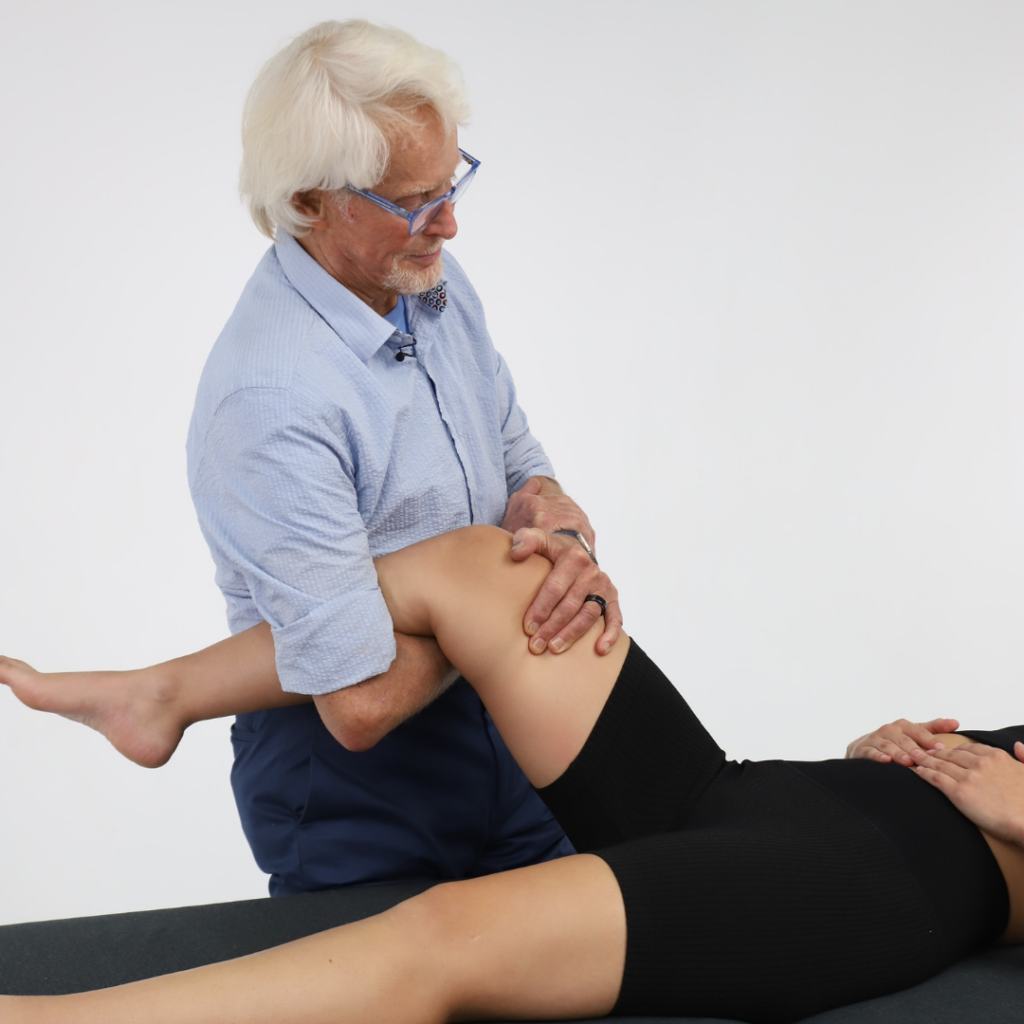
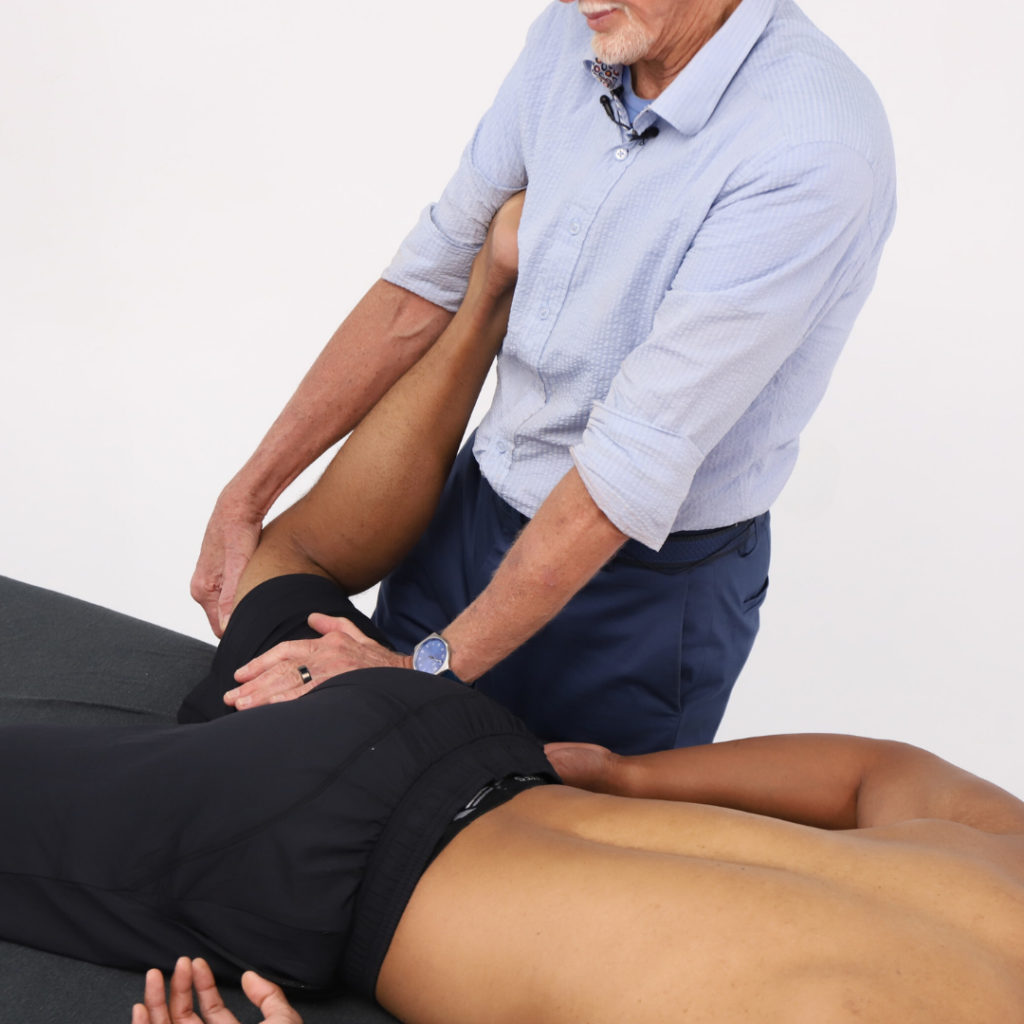
The client is supine with their right knee flexed and their foot resting flat on the table. Snake your right arm around and through the popliteal space and grasp your left arm above the elbow. First, pull the client’s thigh to distract the hip, then push the thigh towards the pelvis to compact the hip. Repeat this movement two or three times. With the client’s hip distracted, ask the client to pull their hip toward the therapy table against your resistance to a count of five and relax. Distract and compact the client’s hip two or three times, ending with the hip distracted.
Hip Decompression Part 2
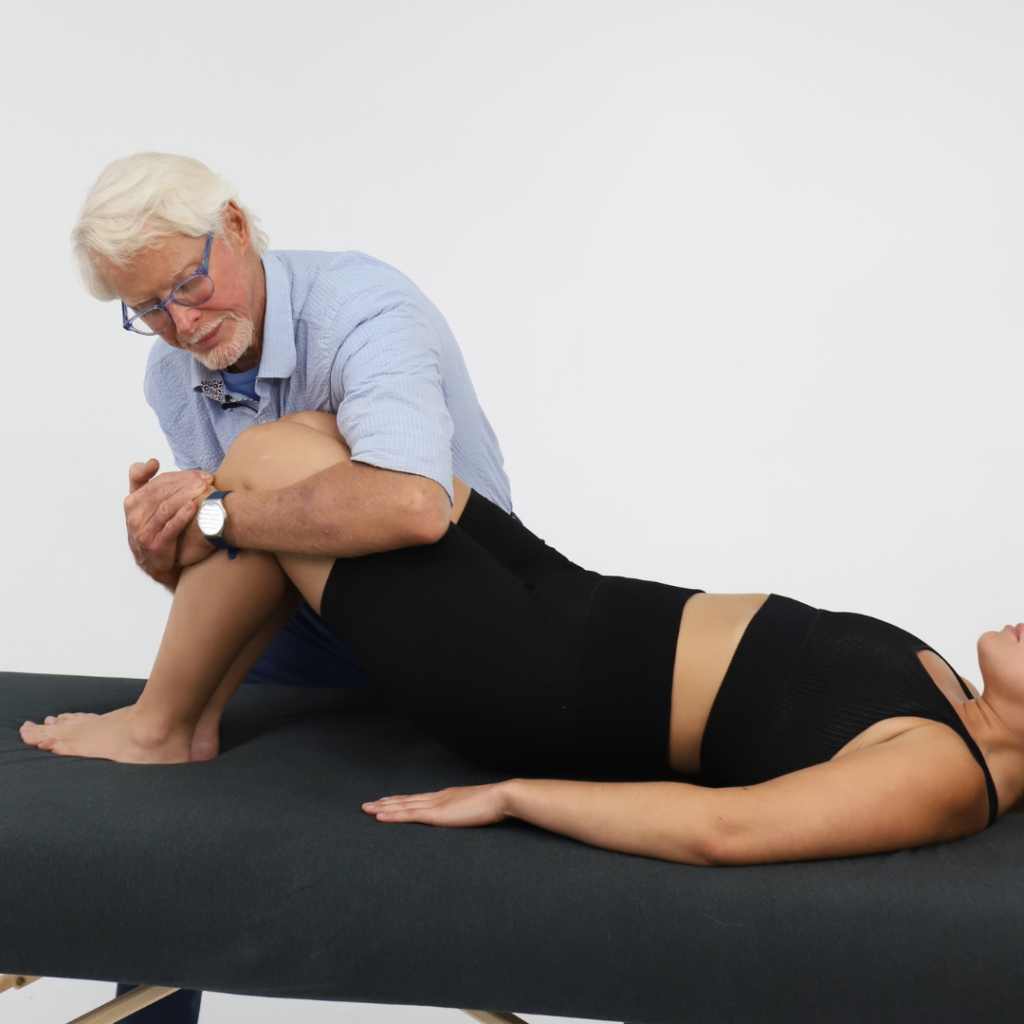
Ask the client to place their knees together. Wrap your arms tightly around the client’s knees. Ask the client to abduct both knees as hard as possible against your resistance while you hold the knees together or rock the client’s lower body. Continue holding the knees and ask the client to bridge up, pause, and lower back down. Repeat this series two or three times.
The Jelly Roll
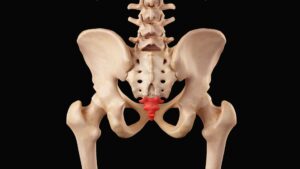
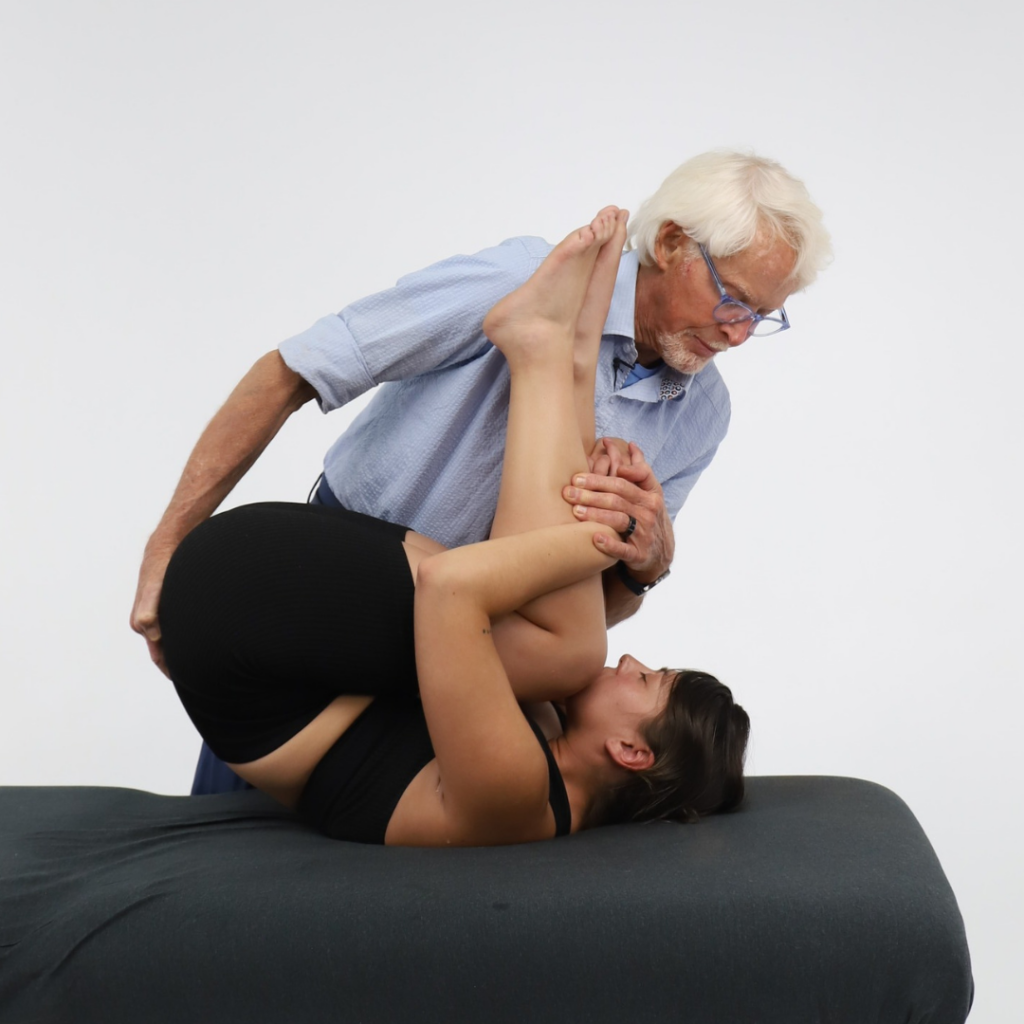
This trunk-flexion technique helps relieve compression at the lumbosacral junction. Stand on the client’s right side and ask the client to grasp both knees tightly up to their chest. Your left arm braces the client’s folded arms so you can use their knees to rock them back and forth. As the client’s hips come away from the table, your right hand slips under the client’s pelvis. As the client rocks with the knees coming toward their forehead, use your fingers and palm to tug on the sacrum. Repeat this maneuver three to five times. Then, rotate the spine by taking the client’s knees to their left shoulder for three to five rocking motions and then to the right shoulder. Always work within the client’s comfort level and back off if the client reports pain, an increase in pain, or an increase in other symptoms.
Anterior Hip Capsule Stretch
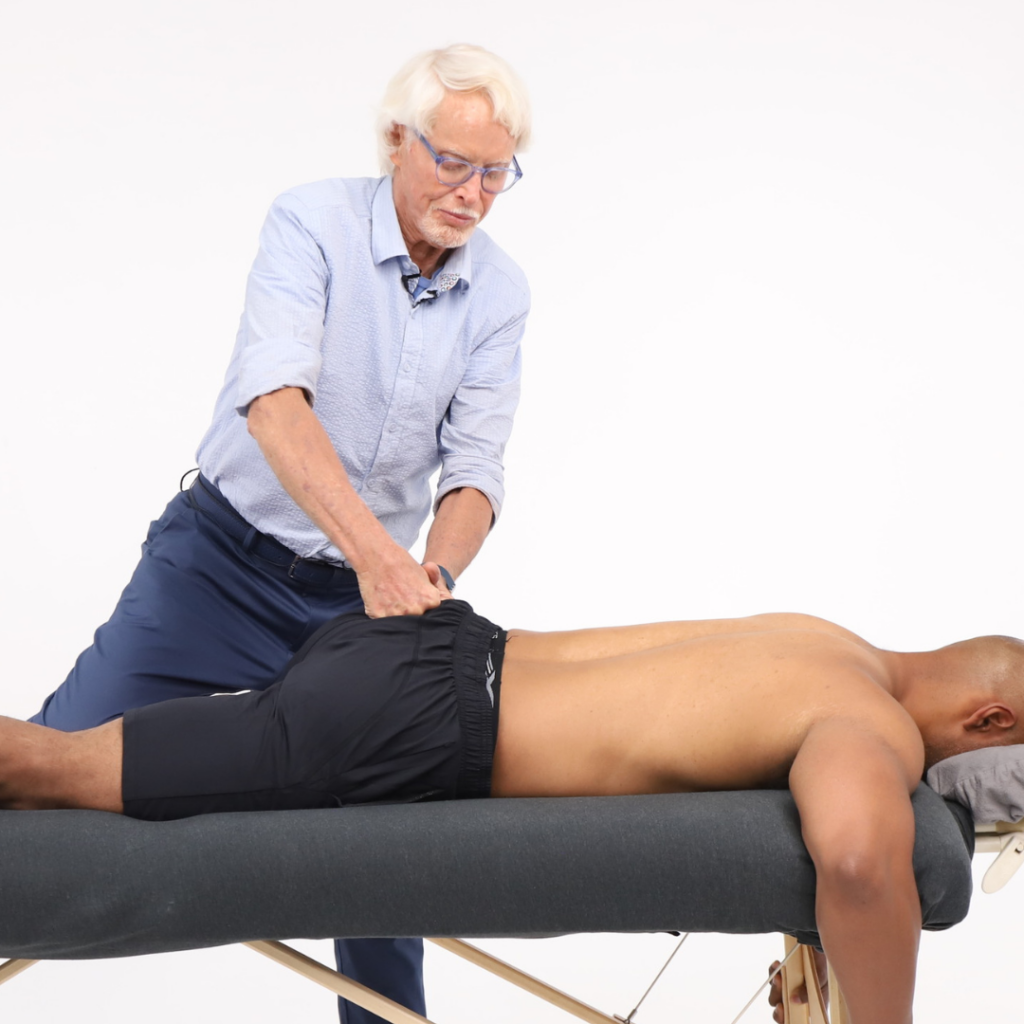
Don’t use this technique if the client has had a hip replacement. With the client prone and their knee flexed, grasp under the client’s right knee with your right hand. Your left hand pins the tissue below the client’s ischial tuberosity. This hand position creates a counterforce. Step onto your left foot and lift the client’s hip into extension. Resist this movement with your left hand. This counterforce stretches the anterior hip capsule, creates joint play, and hydrates the iliofemoral ligaments. Repeat this stretch three to five times and repeat it on the opposite side.
Spindle-Stim Glutes
This technique creates tone when the gluteal muscles are inhibited by eliciting a mild stretch reflex and stimulating the dynamic gamma motor-neuron system of muscle spindles. Position the client’s leg in a “figure four.” Use extended arms and soft fists to rapidly compress the gluteal muscles. Work in all directions on the muscles at a fast pace while maintaining firm compression (not tapotement) for two minutes. Repeat this technique on the opposite side.
In Closing
As we close, let’s consider the contrast between our ancient physiology and modern lifestyles. Our hips are designed for a variety of movements, not just sitting in front of a screen. By integrating more movement into our therapy toolbox, we help clients embrace the full potential of their evolutionary design.
References
- Cartmill, M., Smith, F.H. The Human Lineage, 2nd Wiley-Blackwell, 2022.
- Harari, Y.N. Sapiens: A Brief History of Humankind. Harper, 2015.
- Fletcher, A., Antoine, D., Hill, J.D. Regarding the Dead: Human Remains in the British Museum. The British Museum. Published by the Flow Foundation, 2014.
- Lieberman, D. The Story of the Human Body: Evolution, Health, and Disease, vintage, 2013.
- Anderson, J., Rainie, L. The Negatives of Digital Life. Stories from Experts About the Impact of Digital Life. The Pew Research Center, 2018.
- Osteoarthritis: Overview and Key Facts. The World Health Organization available at int/news-room/fact-sheet/details/osteoarthritis, 2023.
- Katz, J.N., Isaac, Z., Case, S.M. Greater Trochanteric Pain Syndrome (Formally Greater Trochanteric Bursitis. Up-To-Date, Wolters Kluwer, 2023.
On sale this week only!
Save 25% off the Upper Body Course!

NEW! Enhanced video USB format!!!
Learn unique approaches to work with the shoulder girdle, arms, neck, and torso, this course will prepare you to relieve painful myoskeletal issues in the upper body. Through video demos and animation, you’ll learn to identify several compensatory movement patterns and their associated reflexogenic pain. With this understanding of where the true source of problems arise, you’ll be able to develop highly effective treatment protocols and deliver lasting results. This course provides you with the skills you need to confidently relieve pain issues in the upper body. (20 CE)
Bonus: When you order the Home Study version, get the eLearning course and and an additional 2CE Ethics eCourse for free!
Save 25% off the Upper Body Course this week only. Offer expires Sunday, March 1st. Click the button below for more information and to purchase the course for CE hours and a certificate of completion to display in your office.