Erik Dalton Blog

Adductors, Pudendal Nerve and Pelvic Floor Pain

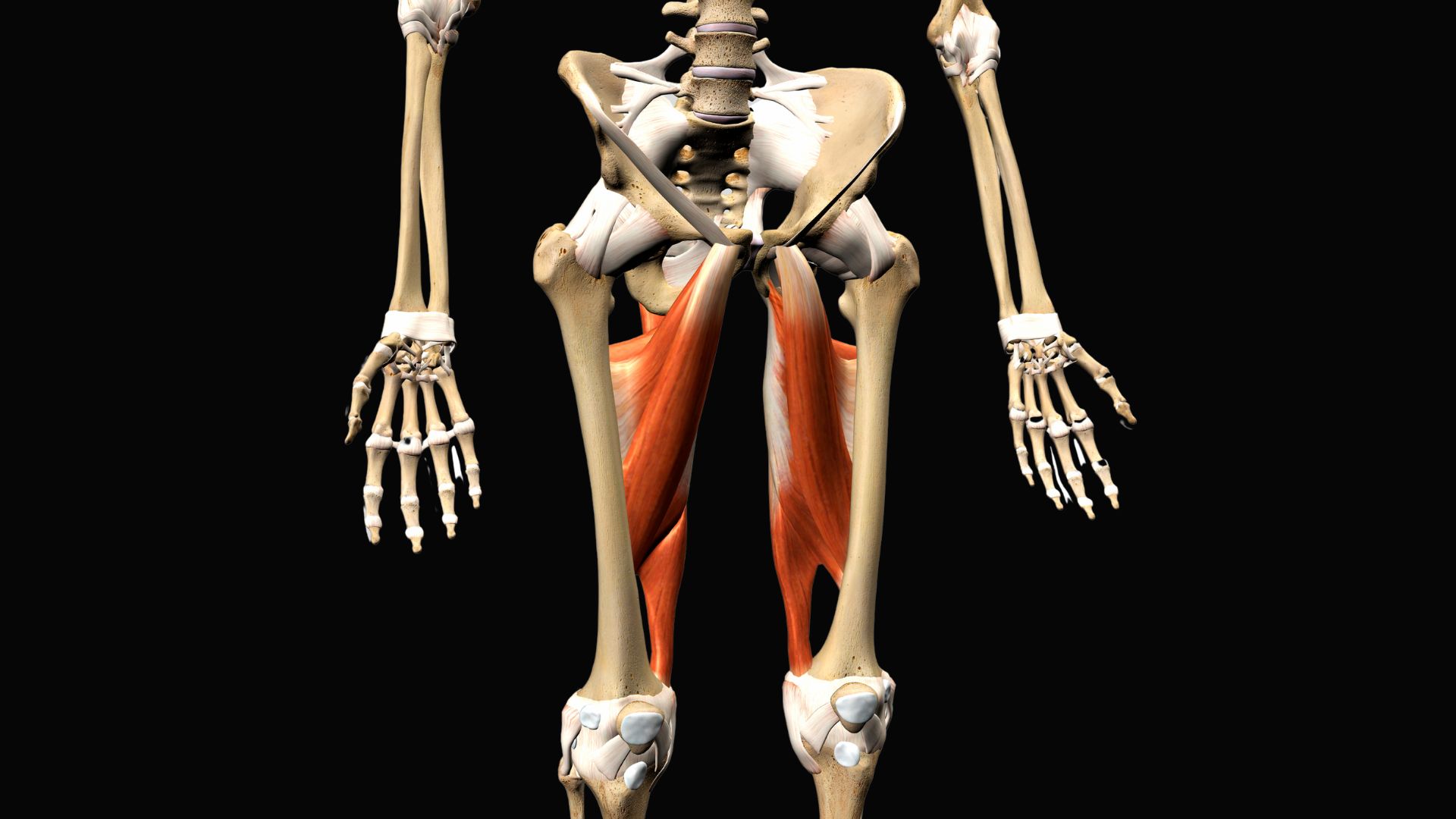
Pelvic floor muscles such as levator ani, coccygeus and obturator internus attach to the front, back and sides of the pelvis and sacrum and form the bottom of the core. These muscles must be able to contract to maintain continence, and to relax allowing for urination and bowel movements, and in women, sexual intercourse.
Read More »

Fixated Facets & Reactive Muscle Spasm

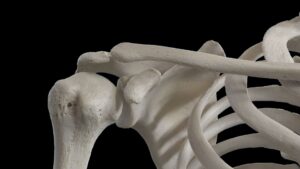
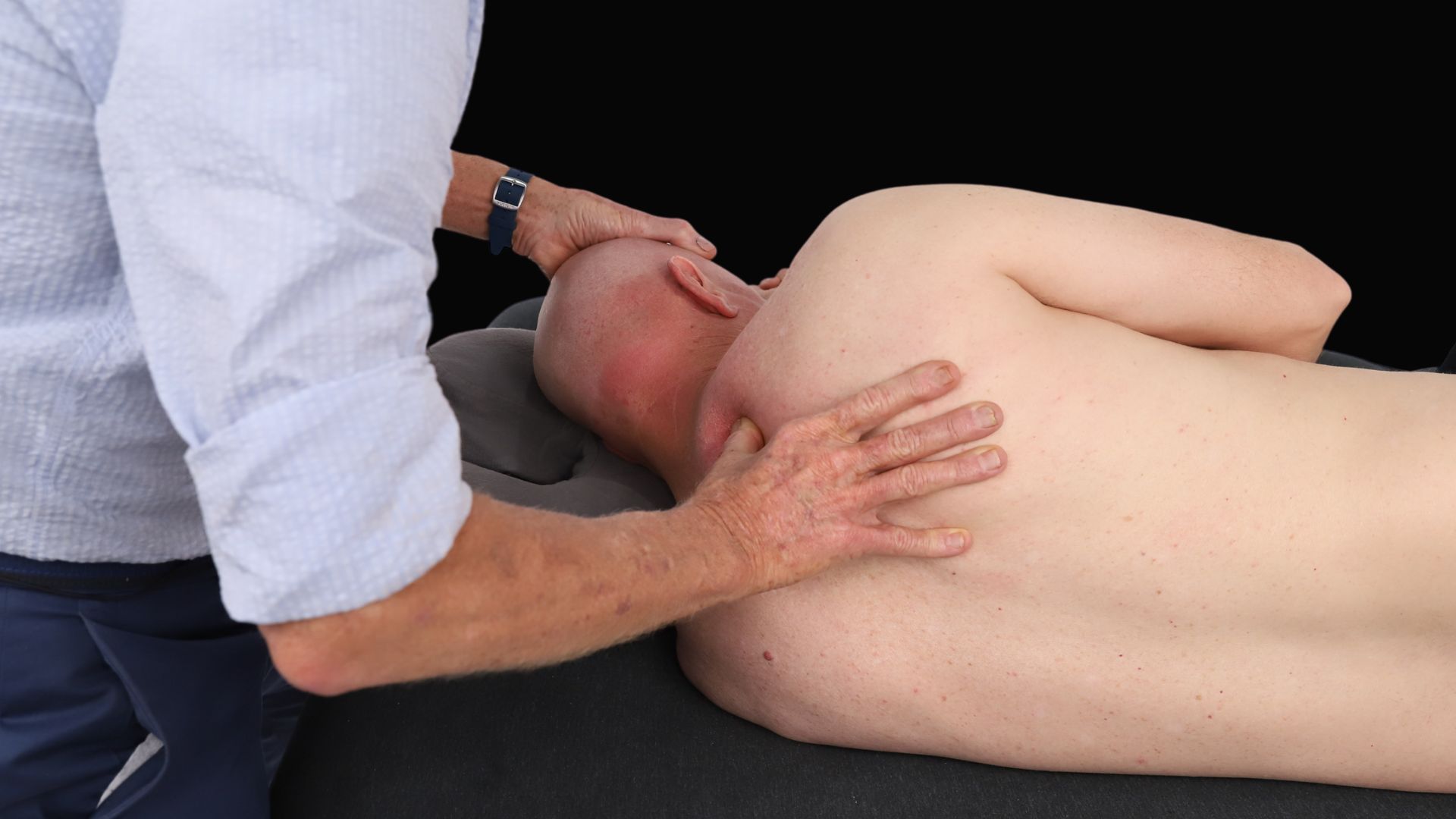
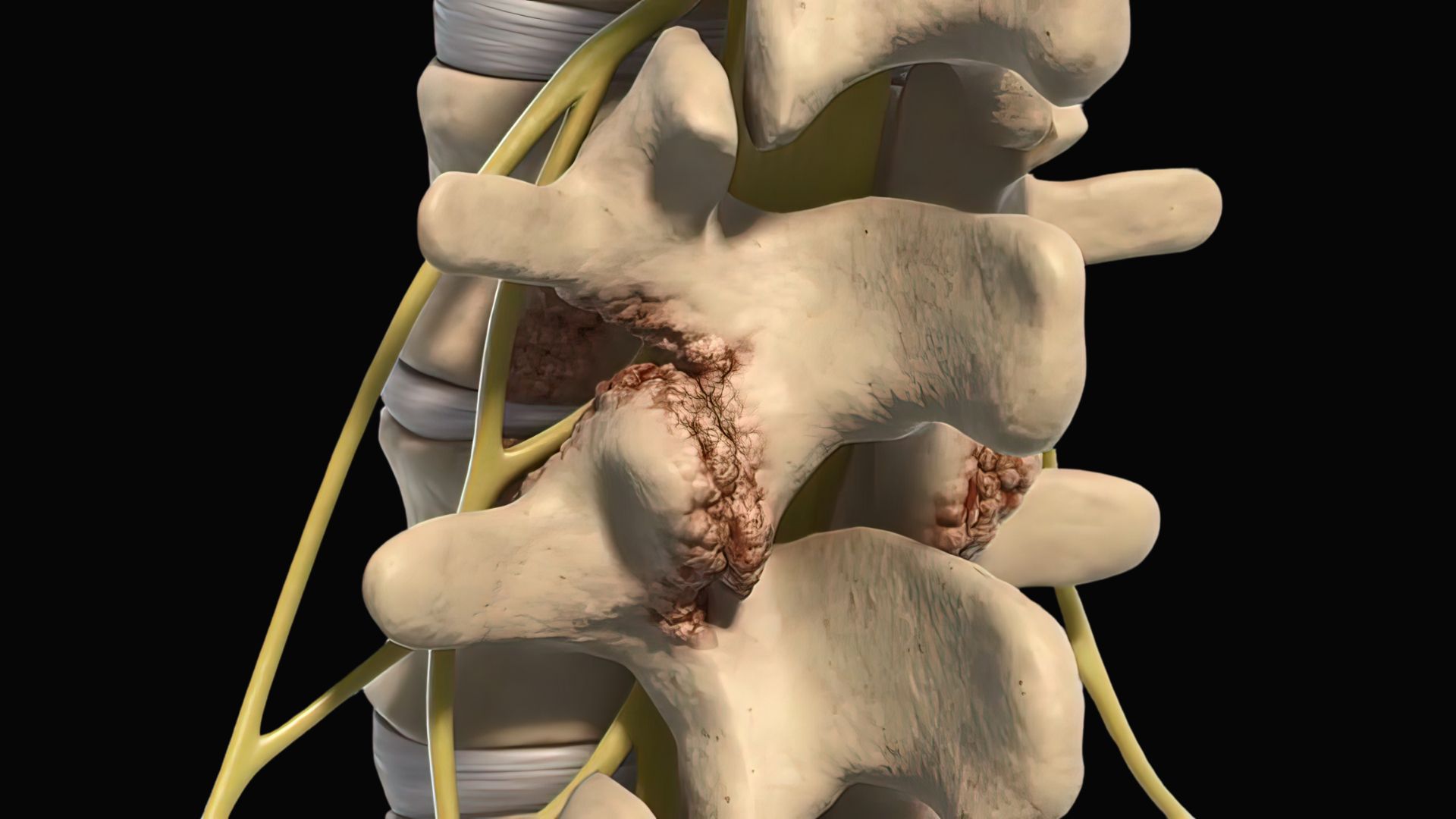
Manual therapists routinely use bones as levers to reduce tension and protective spasm in hypertonic muscles. For example, the femur and humerus are excellent tools for stretching tight hip and shoulder girdle muscles, and we commonly rotate and sidebend a client’s head to relieve neck tension.

Read More »

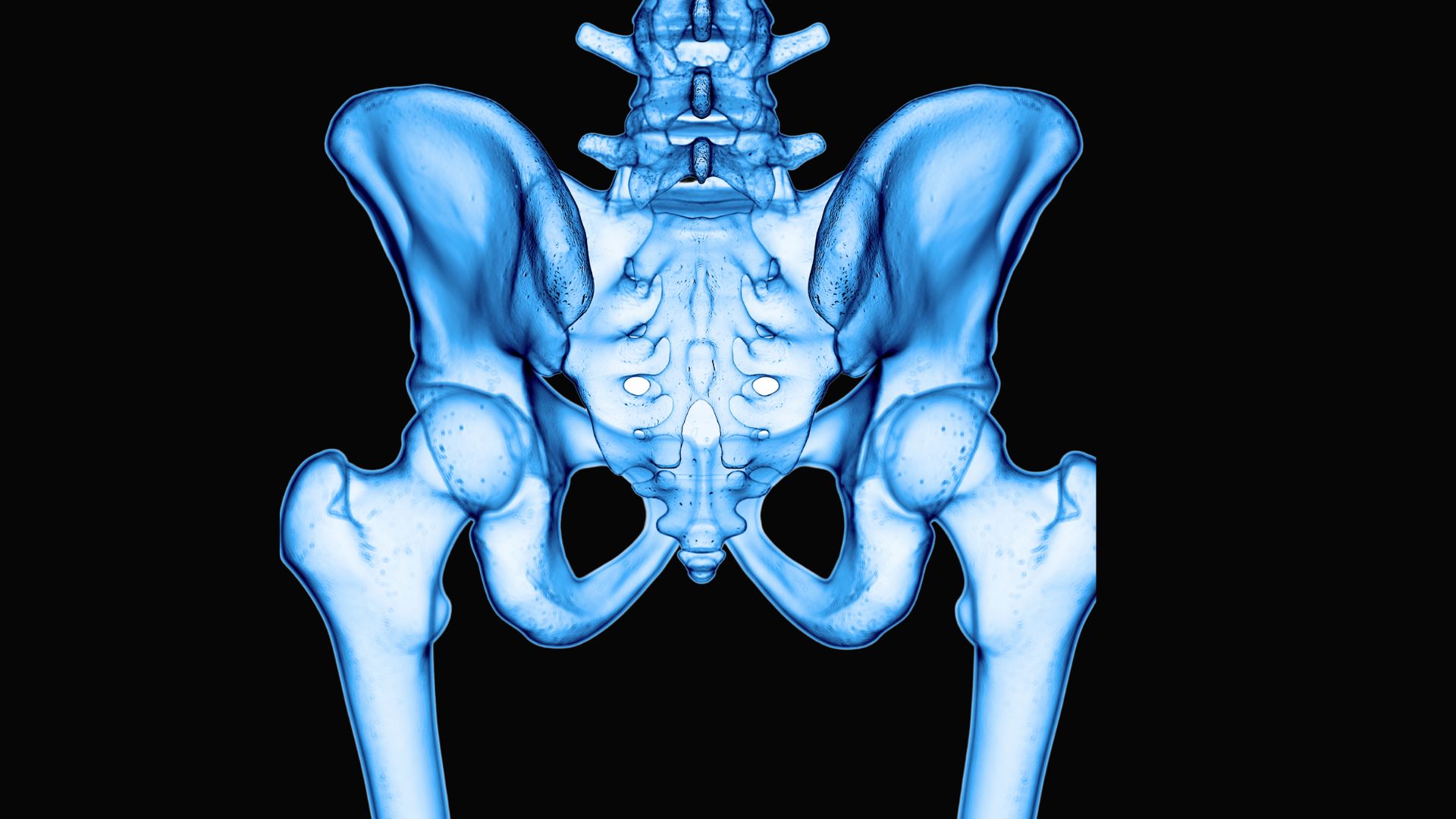
Coccyx The Seat of the Soul

Coccyx pain was first documented in 1588, and Simpson coined the term coccydynia in 1859. The word coccyx comes from the Greek word for “cuckoo” due to its resemblance of a cuckoo bird’s beak…

Read More »

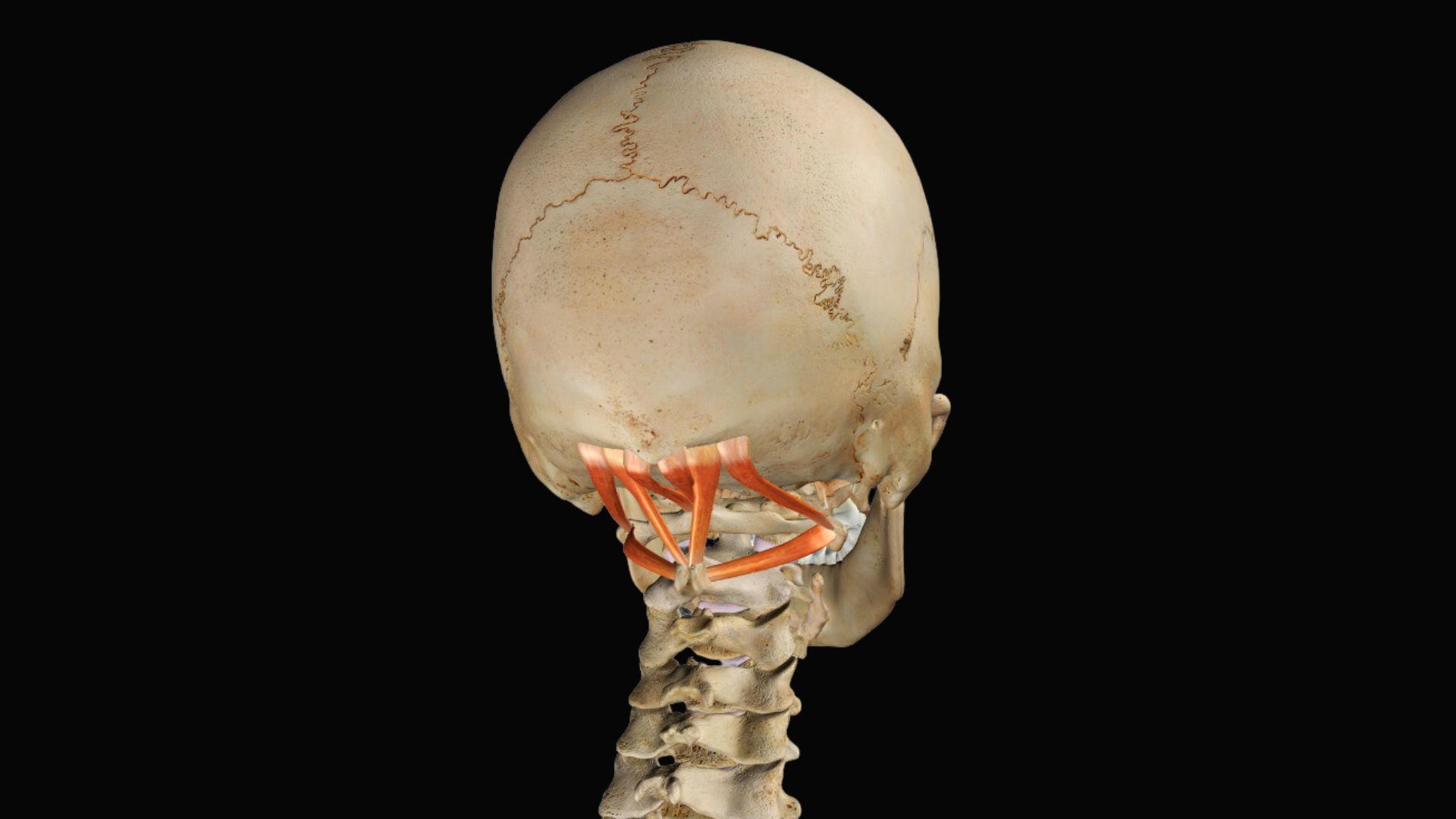
Suboccipital Triangle & Headaches

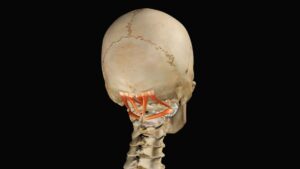
The second cervical vertebra, the axis, is considered the most important of all the neck’s bony structures partly due to its unique dural membrane attachment and also because of the powerful myofascial structures…

Read More »

A Different Twist on Wrist & Hand Pain

Both professional and recreational athletes depend on their hands, wrists and fingers for proper strength, grip and range of motion for optimal performance. Sprains commonly occur during active sports or household falls…

Read More »

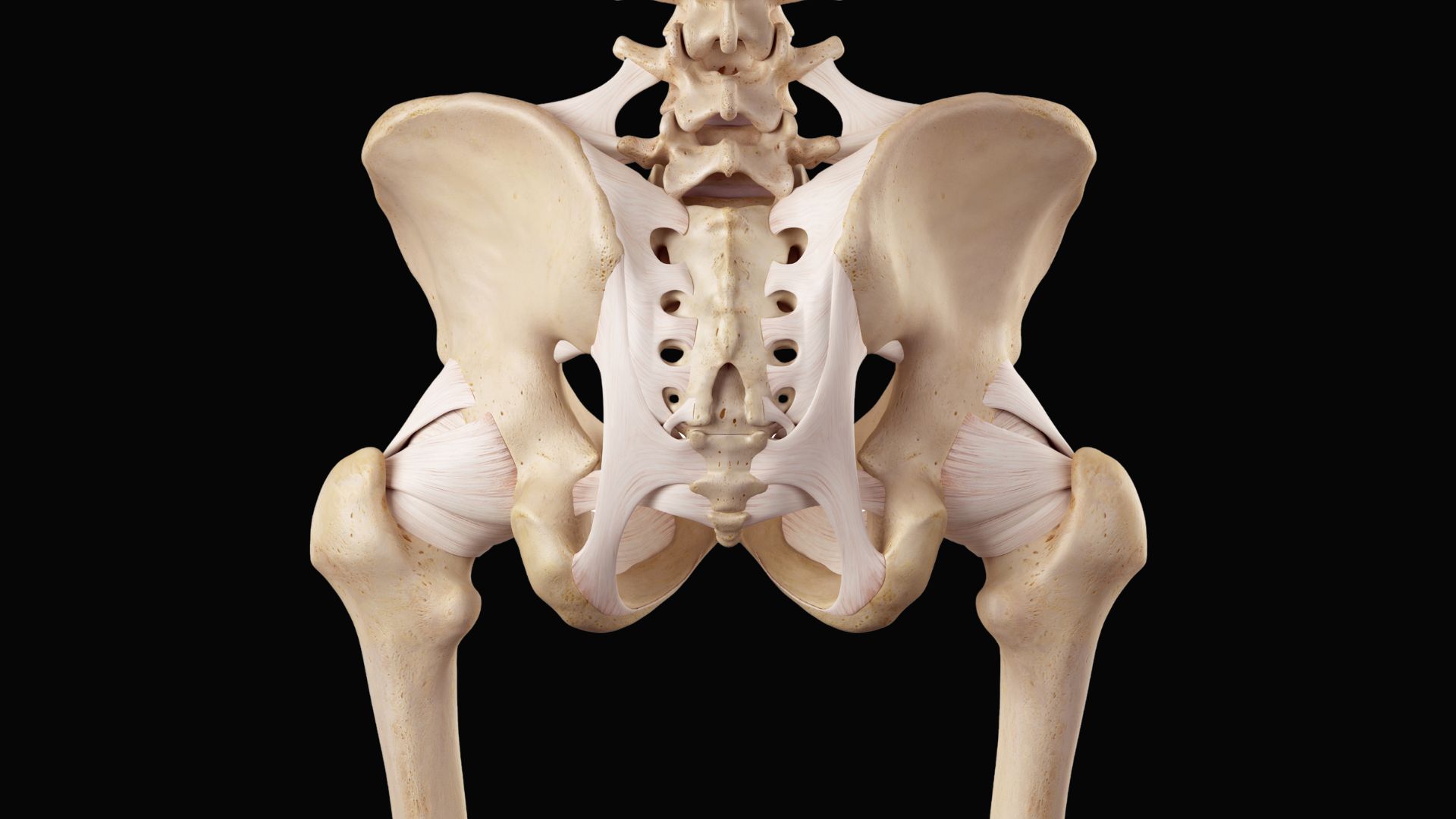
How Do Ligaments Cause Sciatica?

The primary role of the iliolumbar ligaments is to prevent excessive lumbar sidebending, but these ligaments can contribute to sciatic nerve entrapment when injured. A traumatic event such as a bending and twisting maneuver while attempting to lift a heavy object, may strain the iliolumbar ligaments and their multifidi neighbors. As the ligaments weaken, they lose the ability to

Read More »

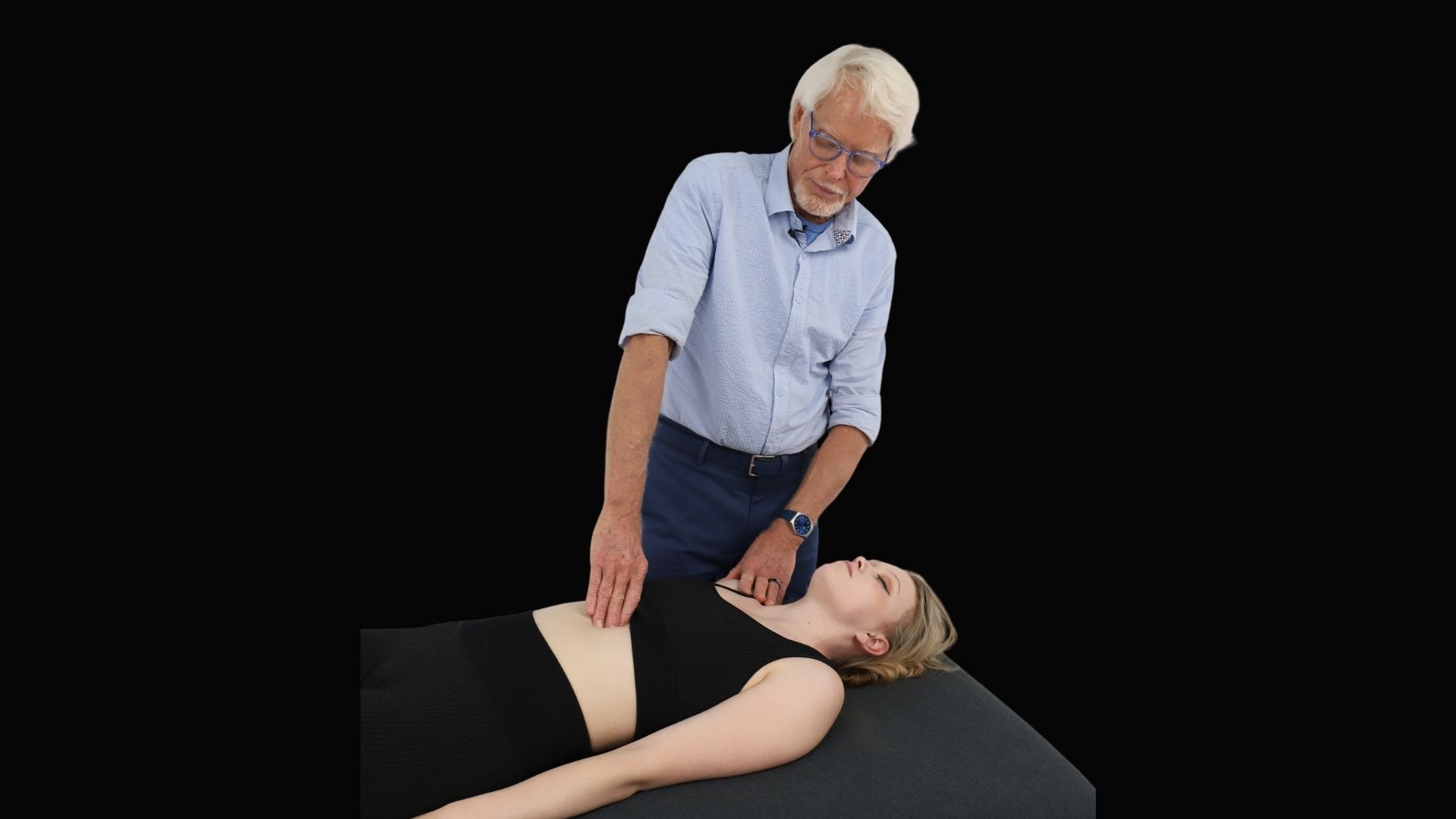
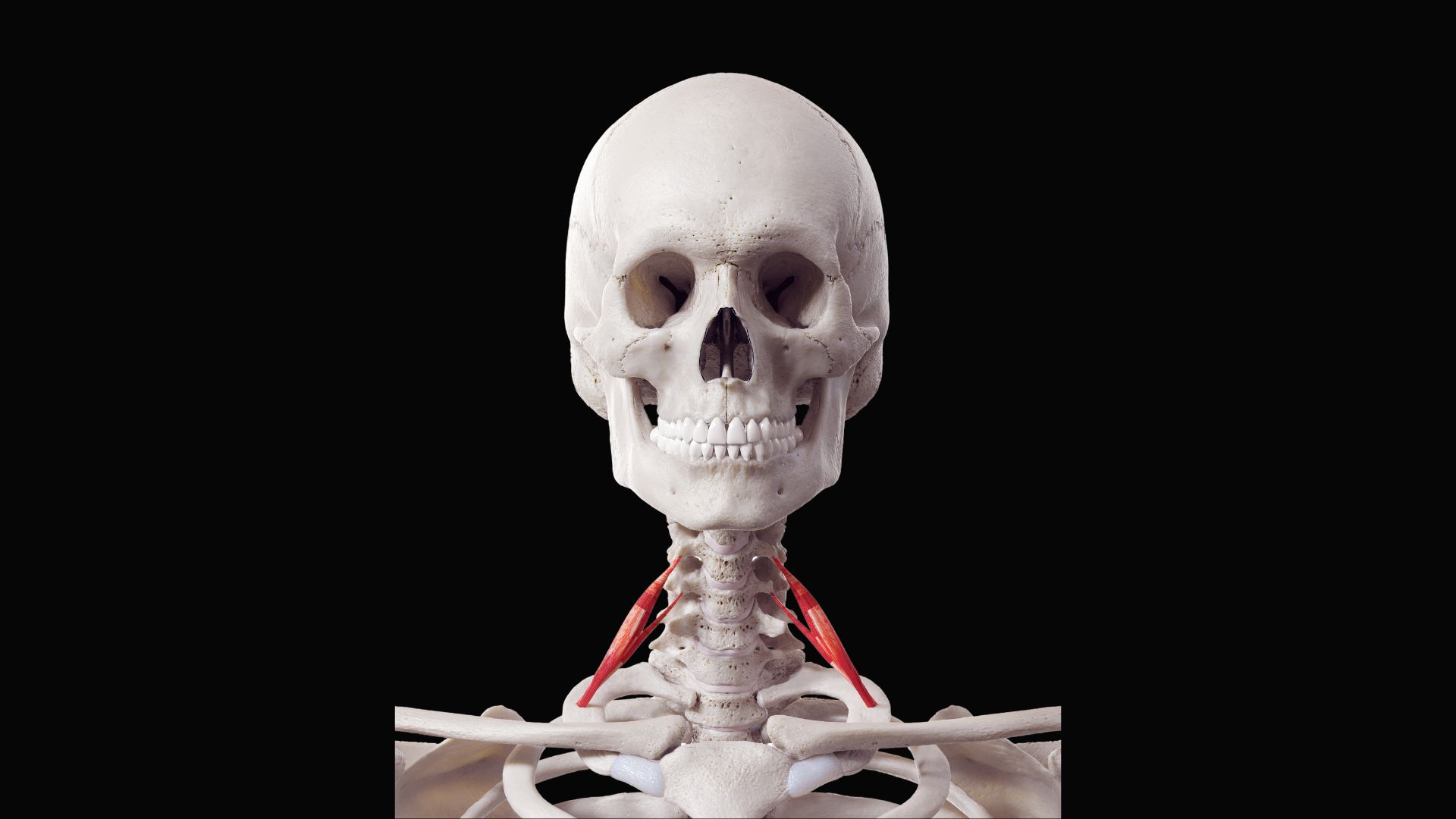
Anterior Scalene Technique

The three scalene groups derive their name from the Greek word skalenos meaning “uneven.” Although anatomists depict the scalenes as individual muscles, most touch therapists are aware of how they work together as a functional unit during neck sidebending and rotation

Read More »

Free subscription to the Technique Tuesday Newsletter

Receive an in-depth article like the one on this page along with a technique video every week in your inbox with no subscription fees.