
fbpx

Erik Dalton Blog

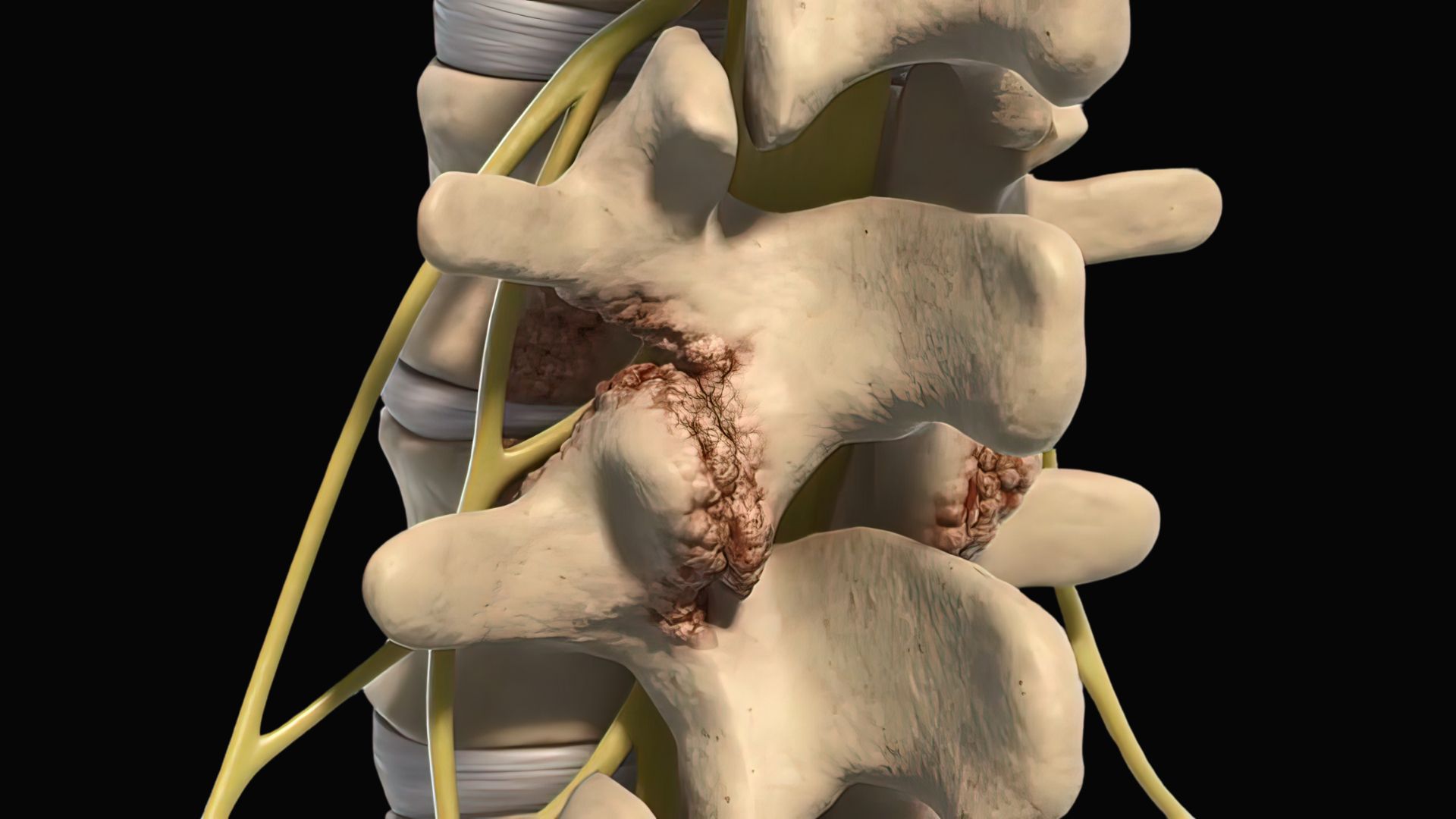
Treating Neck Cricks and Immobilization Arthritis

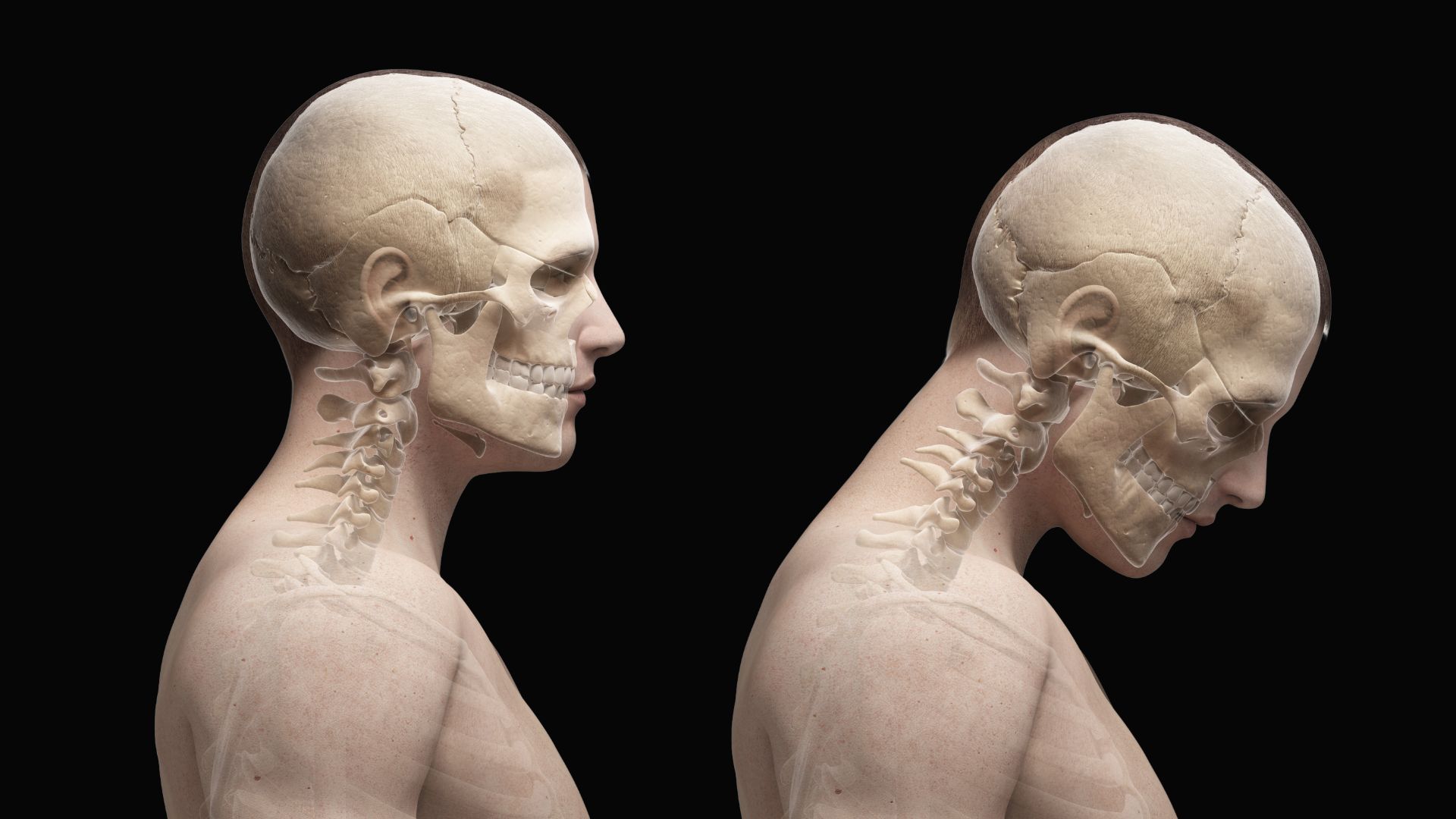
What can manual and movement therapists do to treat neck cricks caused by facet jamming and nerve root impingement? In many cases, protective muscle spasm can be reduced through application of specific soft-tissue decompression and mobilization maneuvers that help restore “joint play” and facilitate…

Read More »

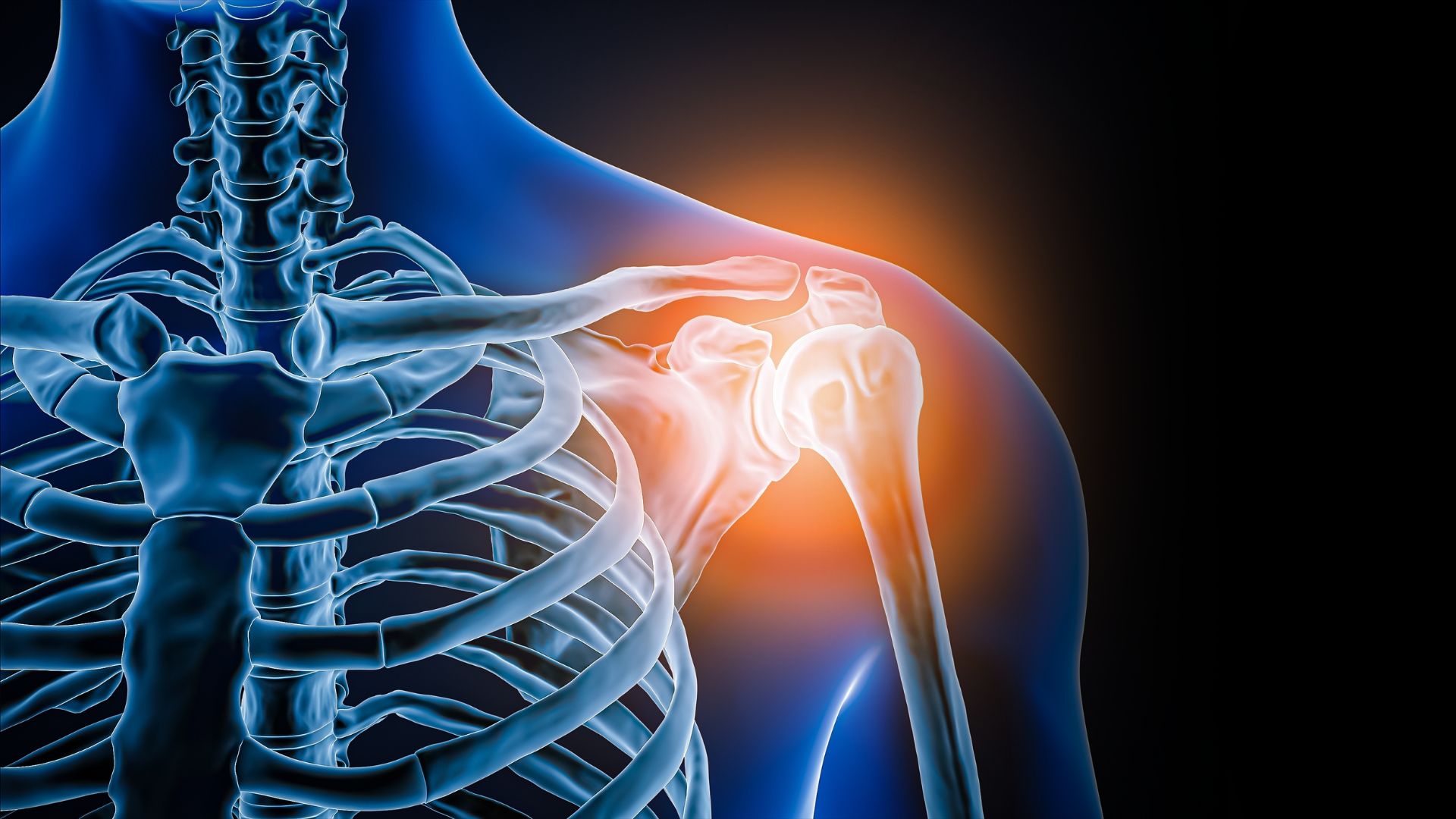
I’m blaming it on the AC joint!

The AC joint sits on the point of the shoulder lateral to the sternoclavicular (SC) and proximal to the glenohumeral (GH) joint. Regrettably, this oft-overlooked bony articulation receives little respect from most manual therapists. Both the AC and SC joints play vital roles in the biomechanics of throwing and other upper-limb activities.

Read More »

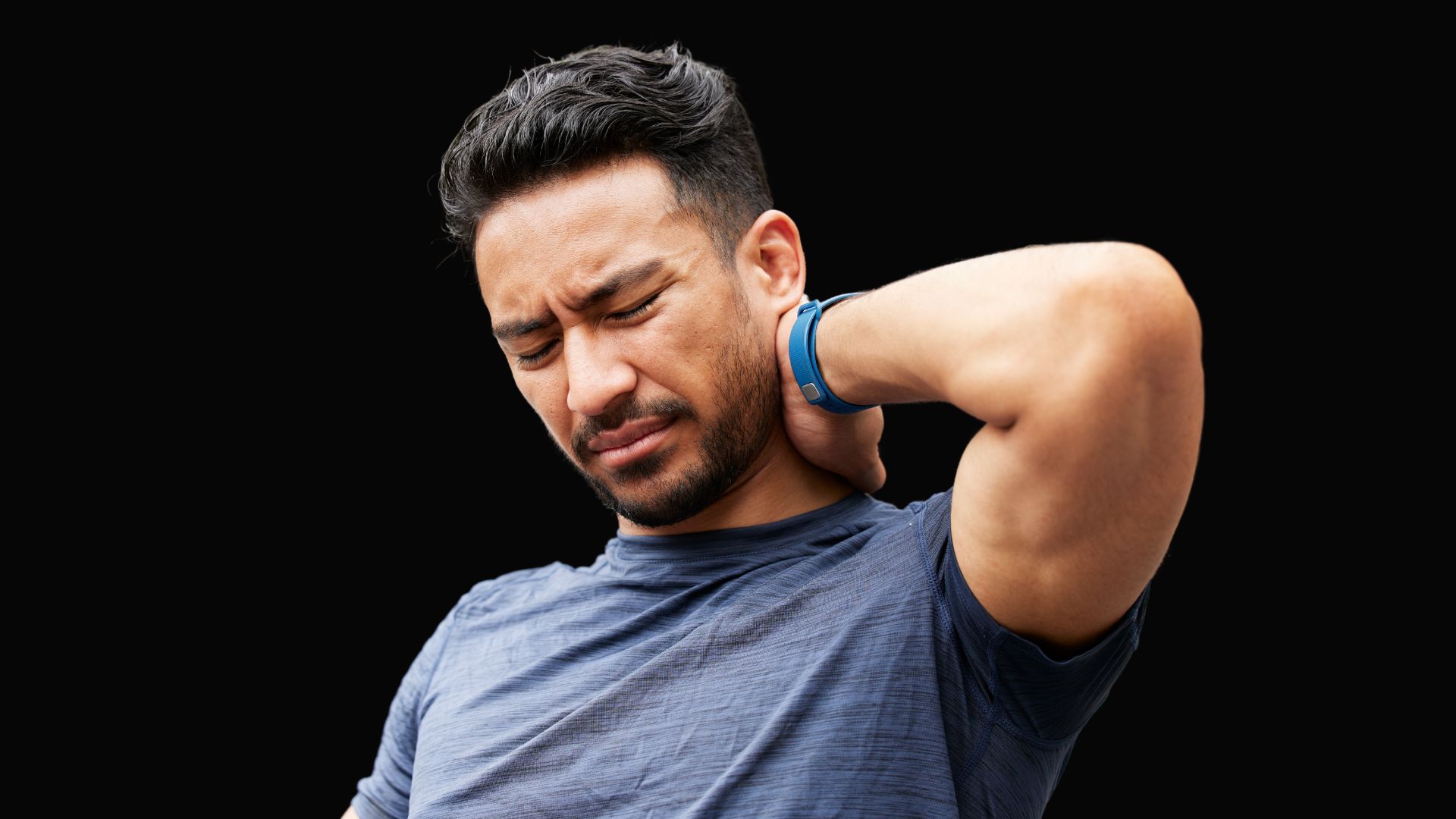
Crick in the Neck: From Pathology to Pain

A “crick in the neck” is a common complaint among clients seeking manual therapy. This informal umbrella term can refer to symptoms that range from general cervical stiffness to complete immobility and unrelenting pain. When assessing cricks…

Read More »

Coccyx The Seat of the Soul

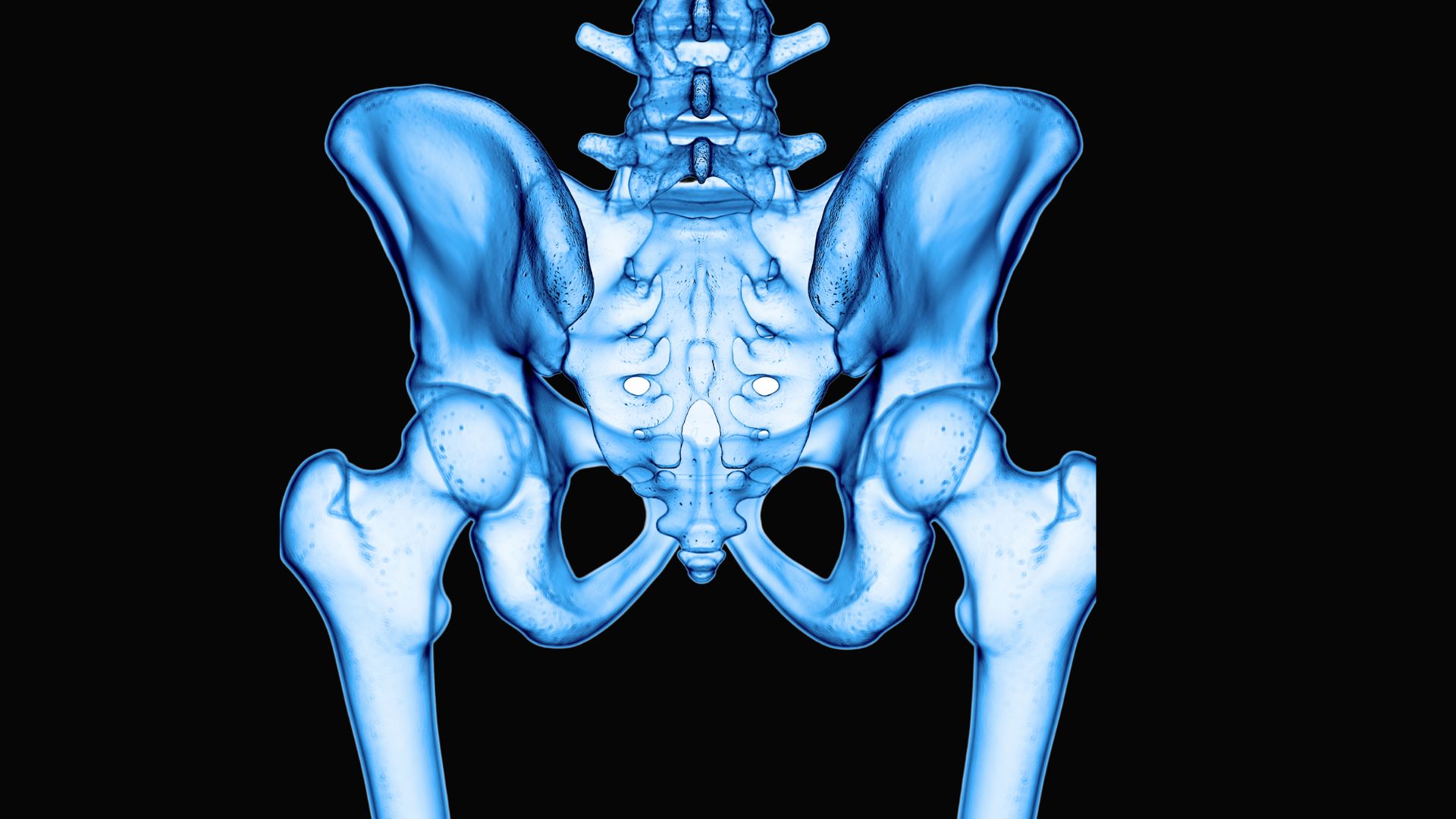
Coccyx pain was first documented in 1588, and Simpson coined the term coccydynia in 1859. The word coccyx comes from the Greek word for “cuckoo” due to its resemblance of a cuckoo bird’s beak…

Read More »

Suboccipital Triangle & Headaches

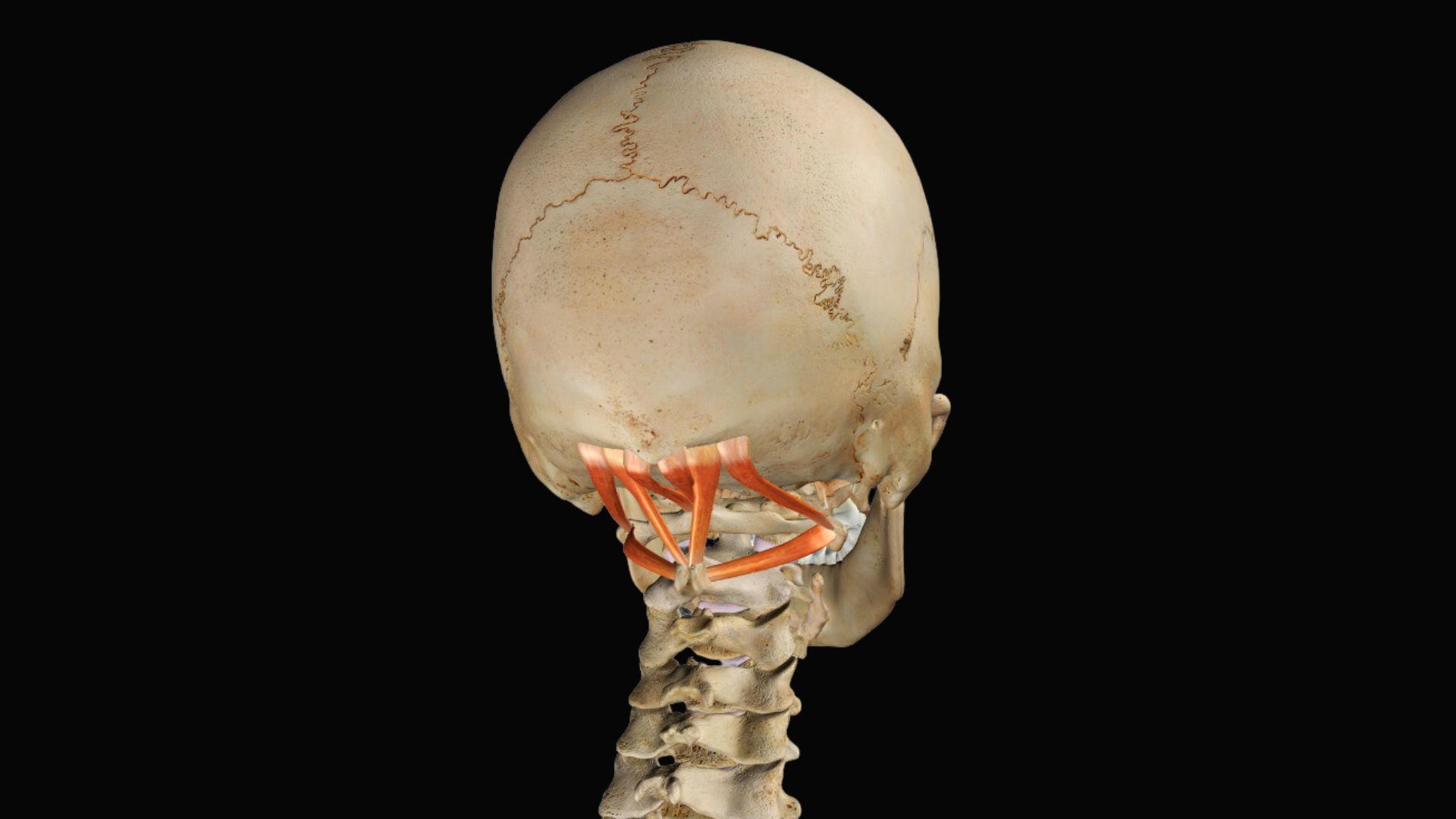
The second cervical vertebra, the axis, is considered the most important of all the neck’s bony structures partly due to its unique dural membrane attachment and also because of the powerful myofascial structures…

Read More »

A Different Twist on Wrist & Hand Pain

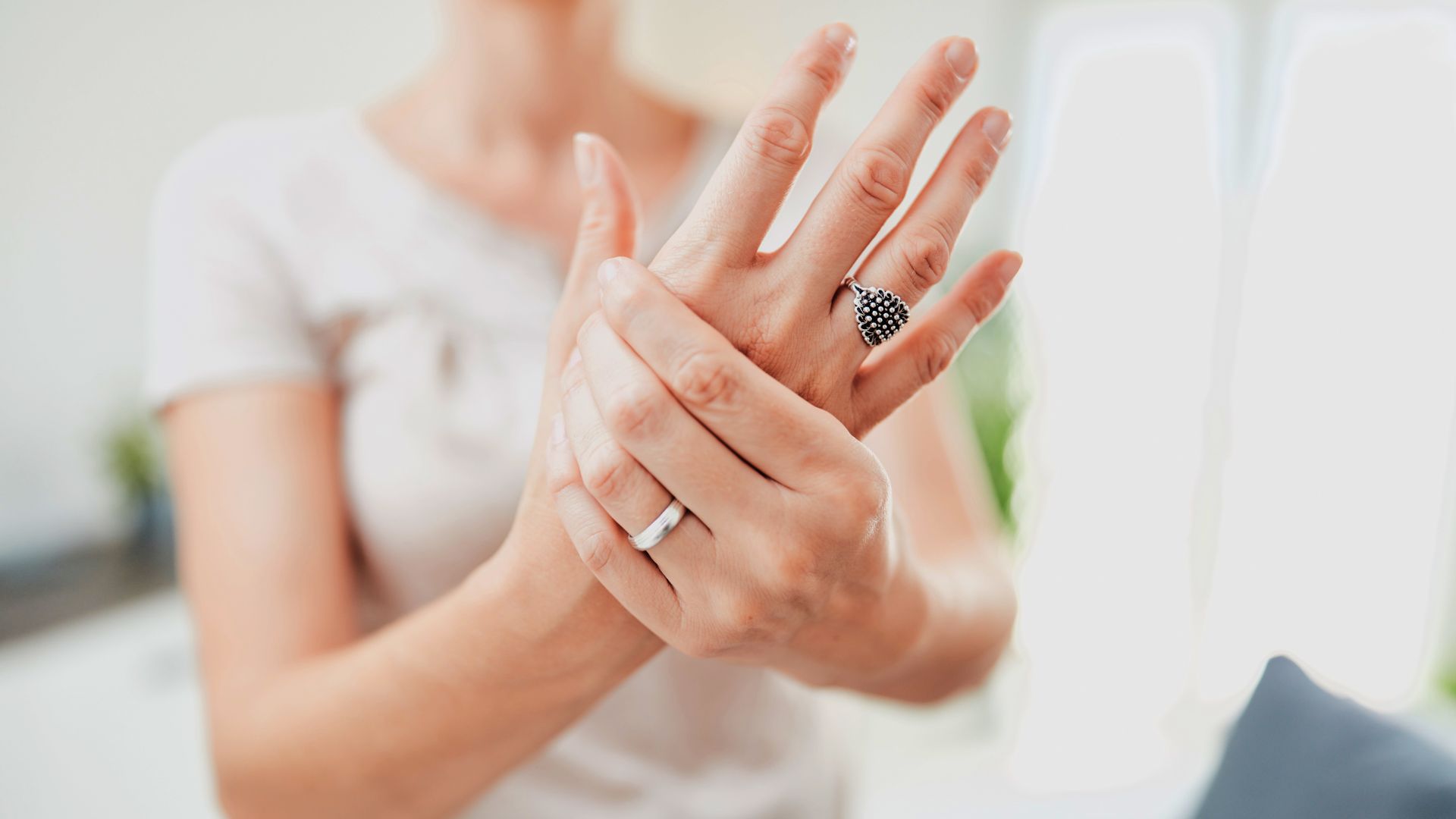
Both professional and recreational athletes depend on their hands, wrists and fingers for proper strength, grip and range of motion for optimal performance. Sprains commonly occur during active sports or household falls…

Read More »

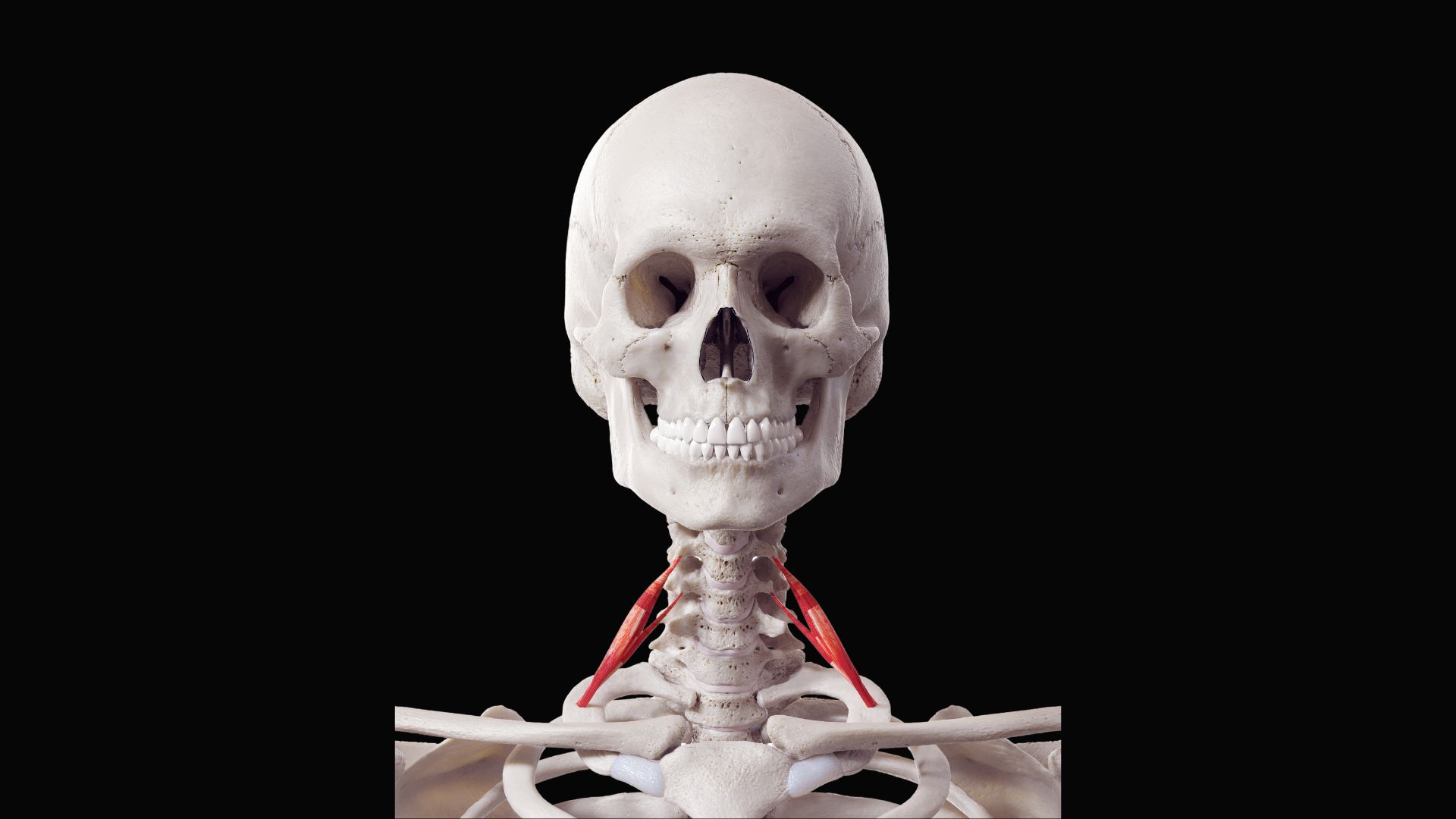
Anterior Scalene Technique

The three scalene groups derive their name from the Greek word skalenos meaning “uneven.” Although anatomists depict the scalenes as individual muscles, most touch therapists are aware of how they work together as a functional unit during neck sidebending and rotation

Read More »

Free subscription to the Technique Tuesday Newsletter

Receive an in-depth article like the one on this page along with a technique video every week in your inbox with no subscription fees.