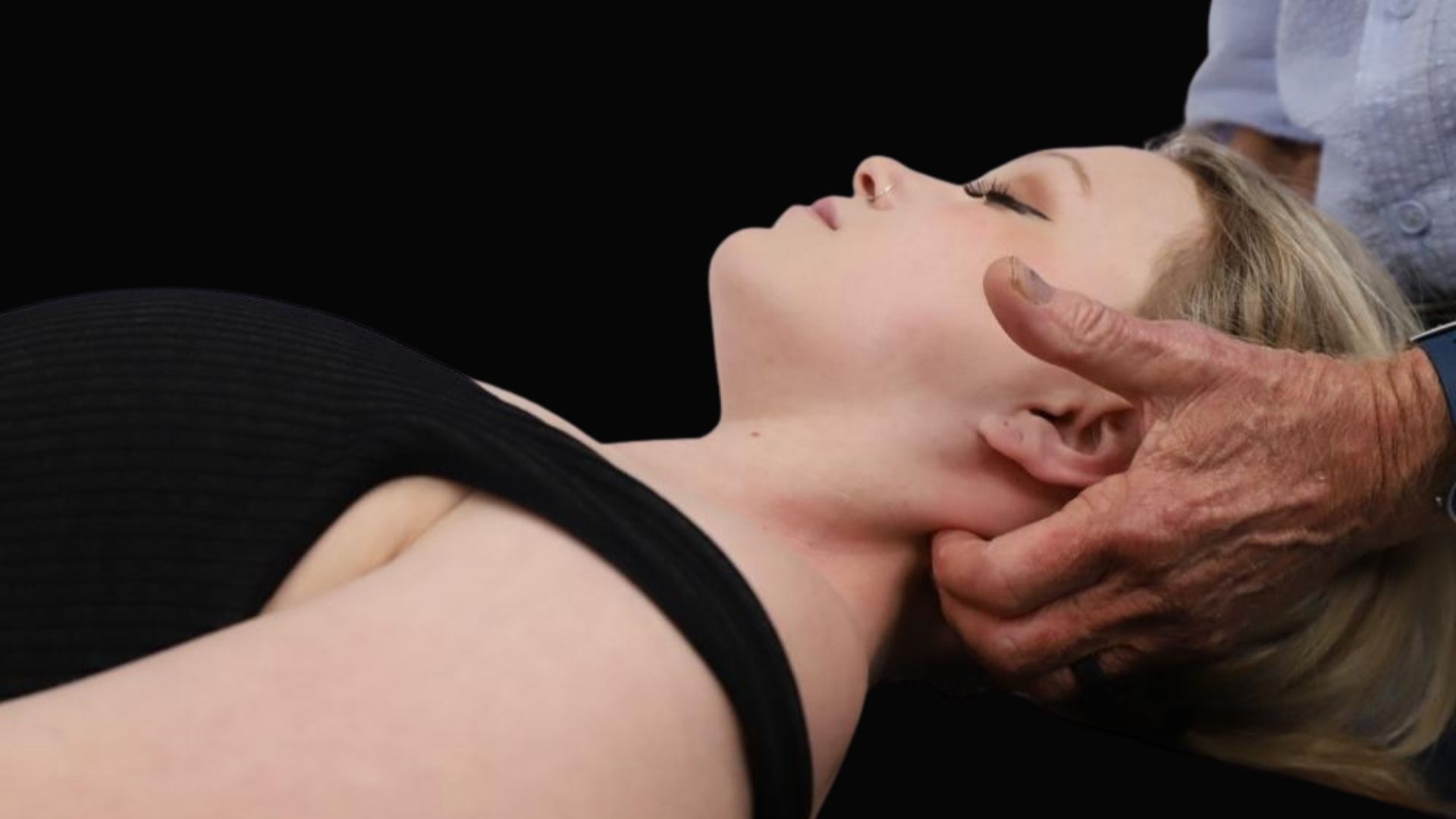
Cranial Teleceptors & Neck Spasm
The head houses sensory organs called cranial teleceptors that connect us to the distant world. When floating comfortably atop the spine, cranial teleceptors reflexively orient

The head houses sensory organs called cranial teleceptors that connect us to the distant world. When floating comfortably atop the spine, cranial teleceptors reflexively orient
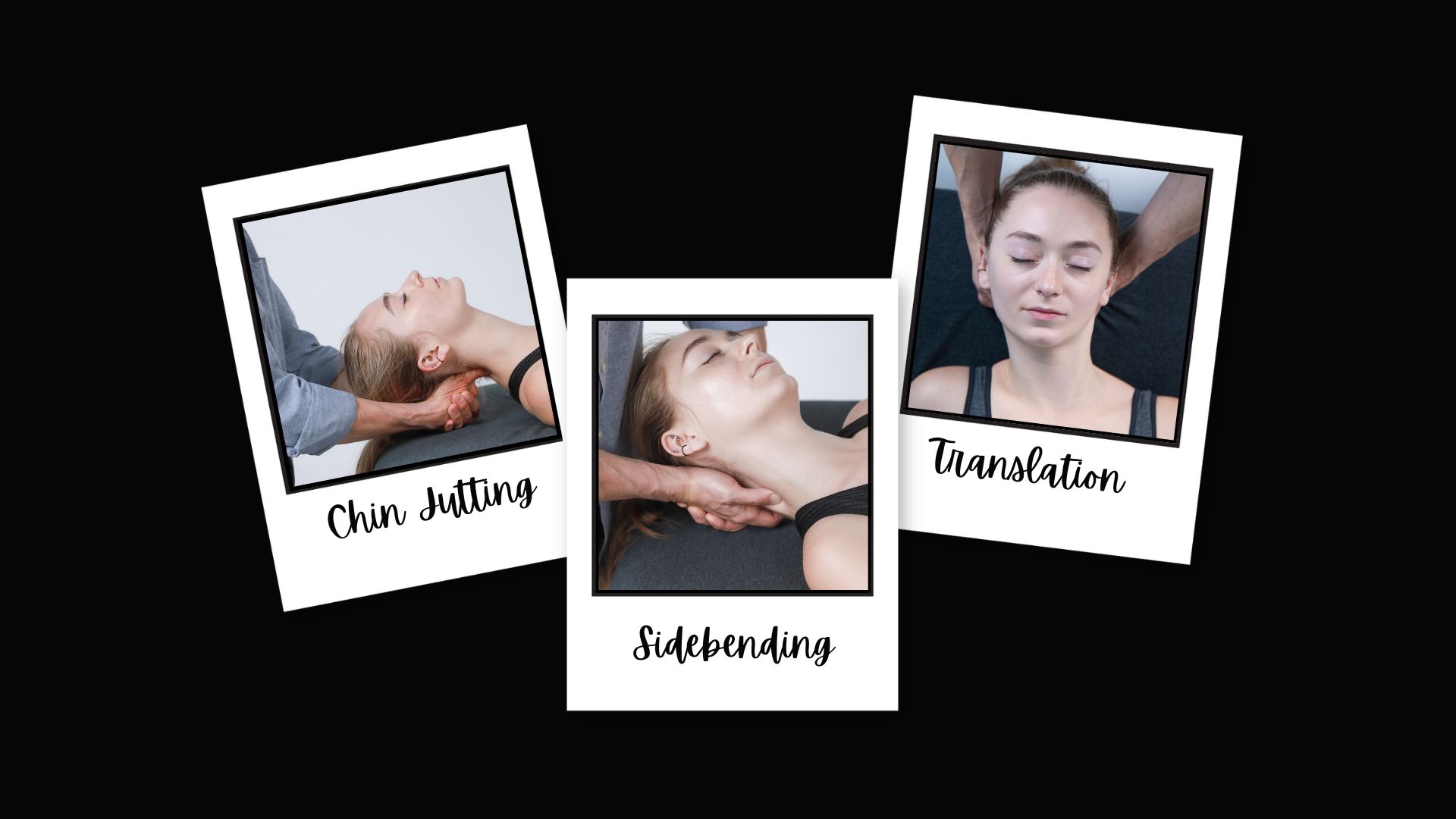
Would you like an effective neck mobilization routine to use in your practice? Click here to learn more…
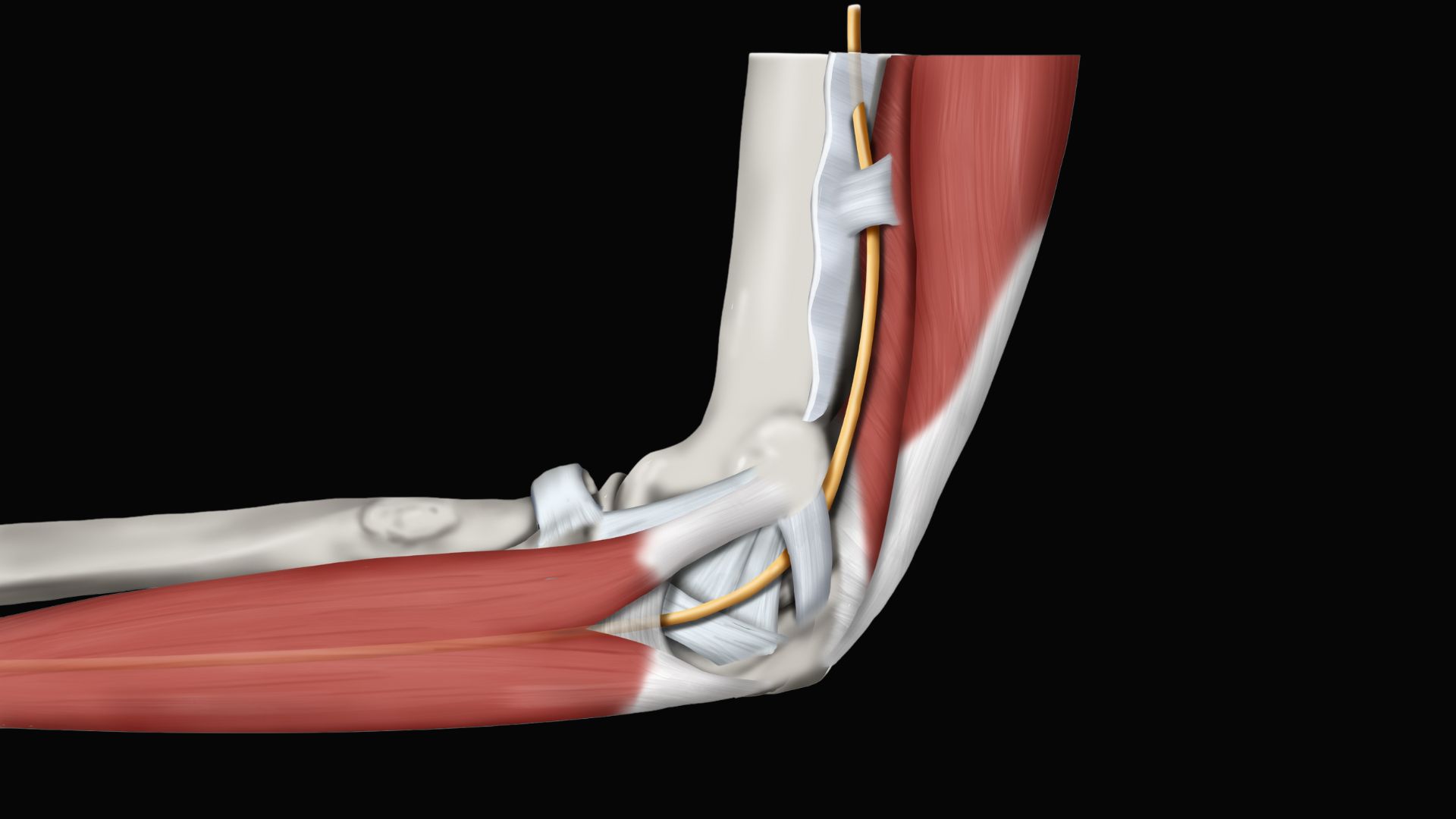
Mobilizing the Ulnar Nerve The ulnar is the most exposed of all nerves and ranks second only to the median nerve (carpal tunnel syndrome) as
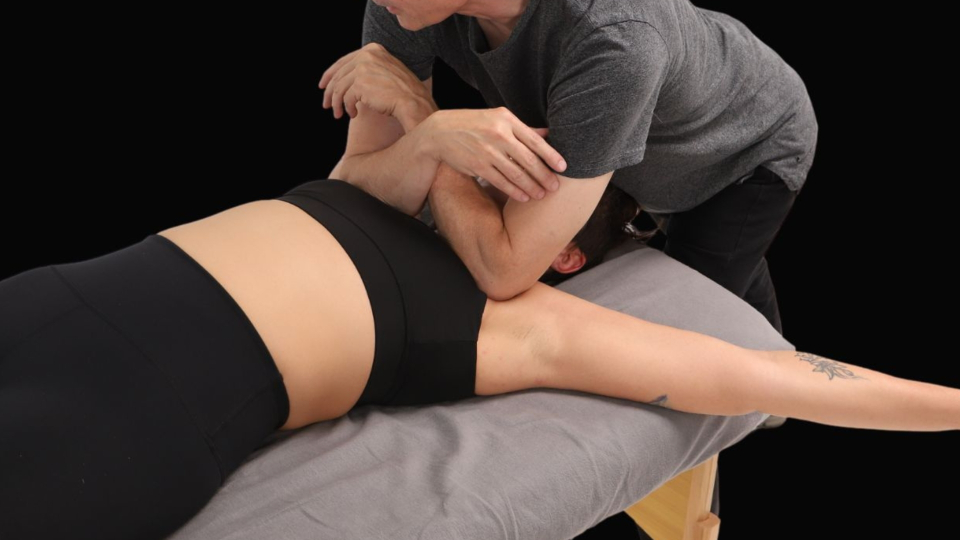
Pectoralis minor is a major player when it comes to bad posture, subacromial impingement and neurogenic thoracic outlet. Some believe that…
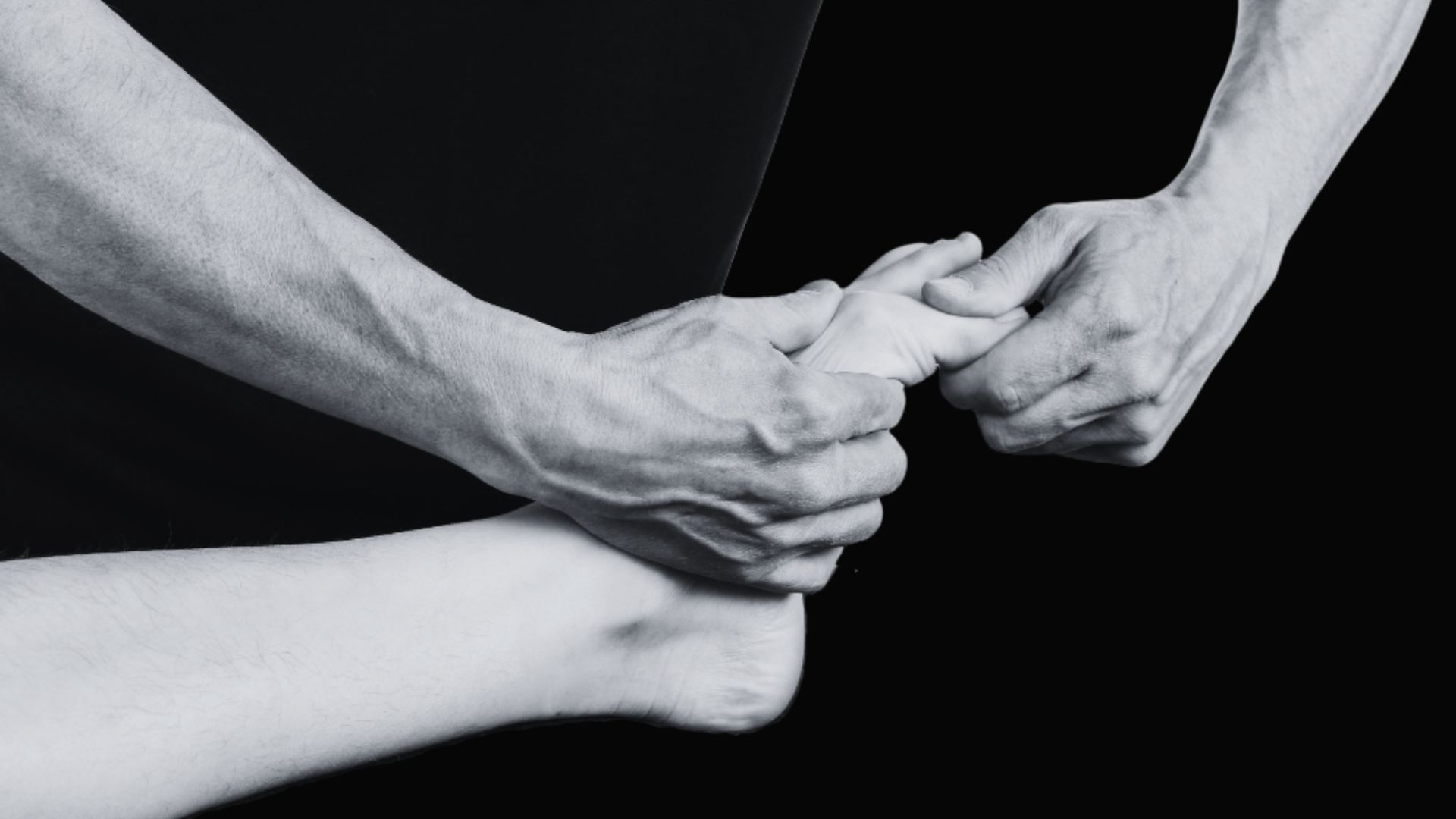
Everything designed to move has a built-in factor of “play” to promote efficient functional movement. For example, an automobile piston and cylinder, a wheel on an axle, and even a simple hinge all have calculated play between their moving parts to allow efficiency of movement. Why not in a human joint?…
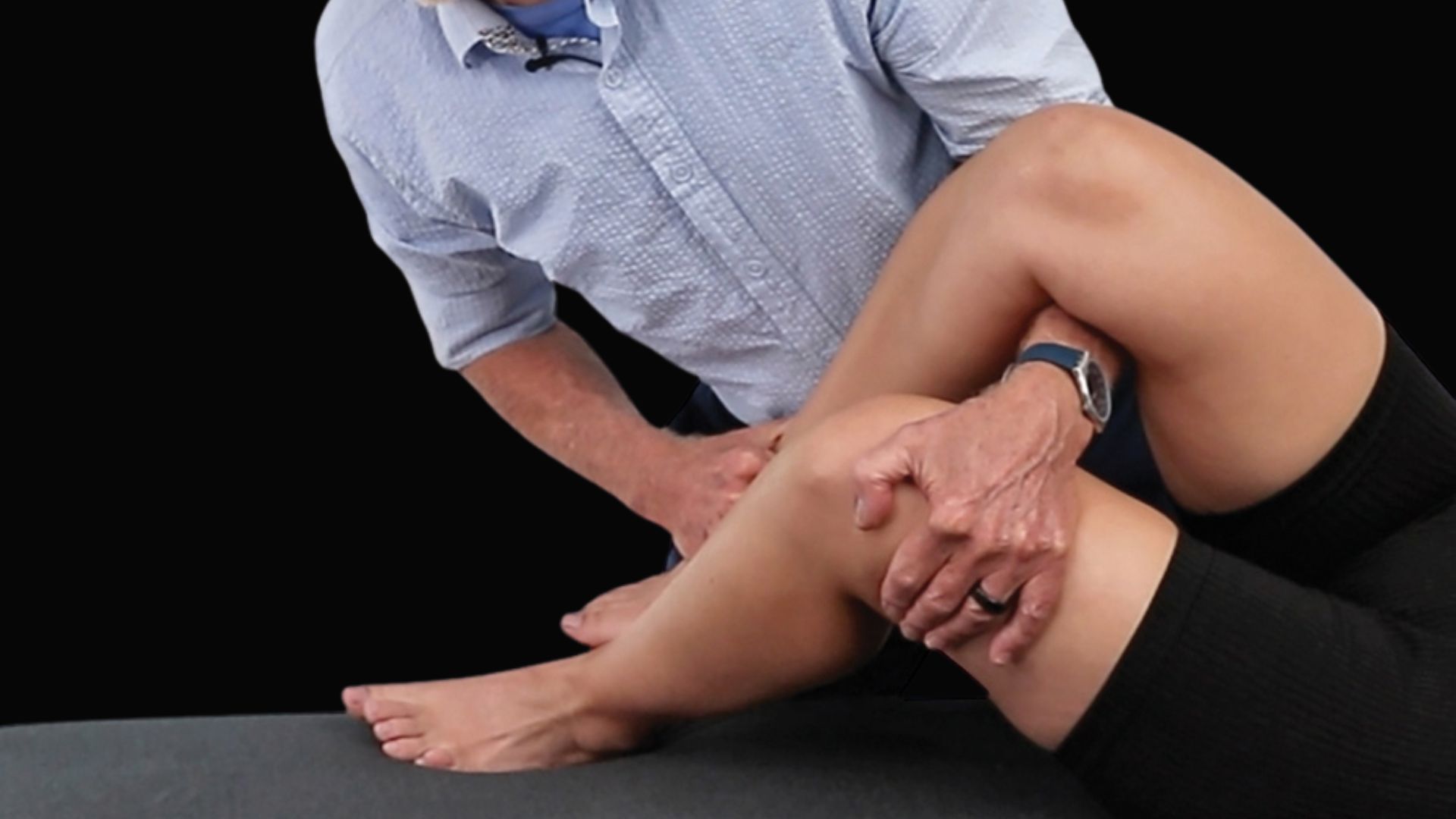
In the early 20th century, sacroiliac joint syndrome (SIJ) was the most common medical diagnosis for low back pain, which resulted in that period being labeled the “Era of the SI Joint.” Any pain emanating from the low back, buttock or adjacent leg usually was branded and treated as SIJ.
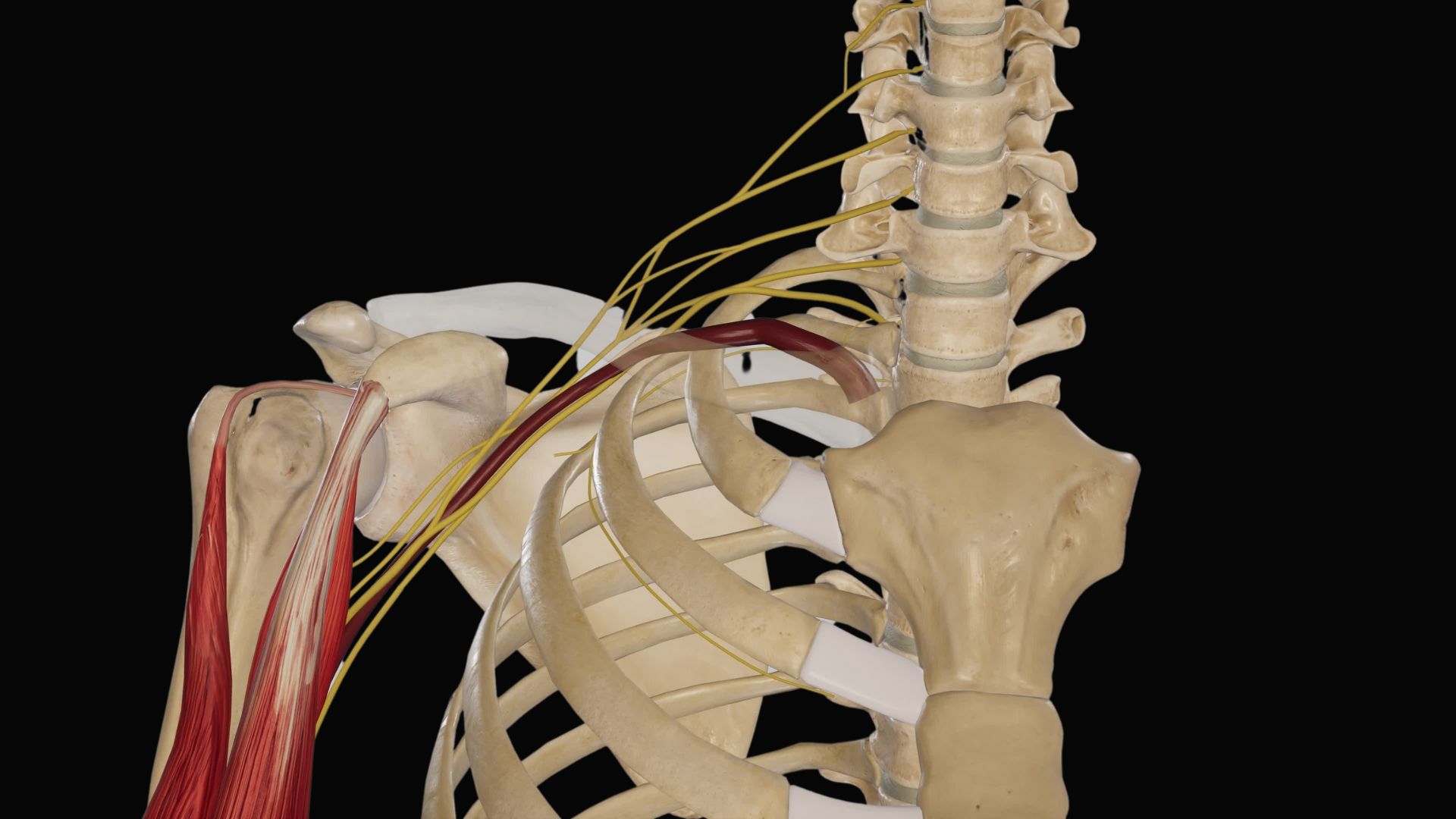
Double Crushed Nerve Damage The term double crush syndrome (DCS) was coined by Harvard University plastic surgeons Albert Upton and Alan McComas, who wrote, “Neural
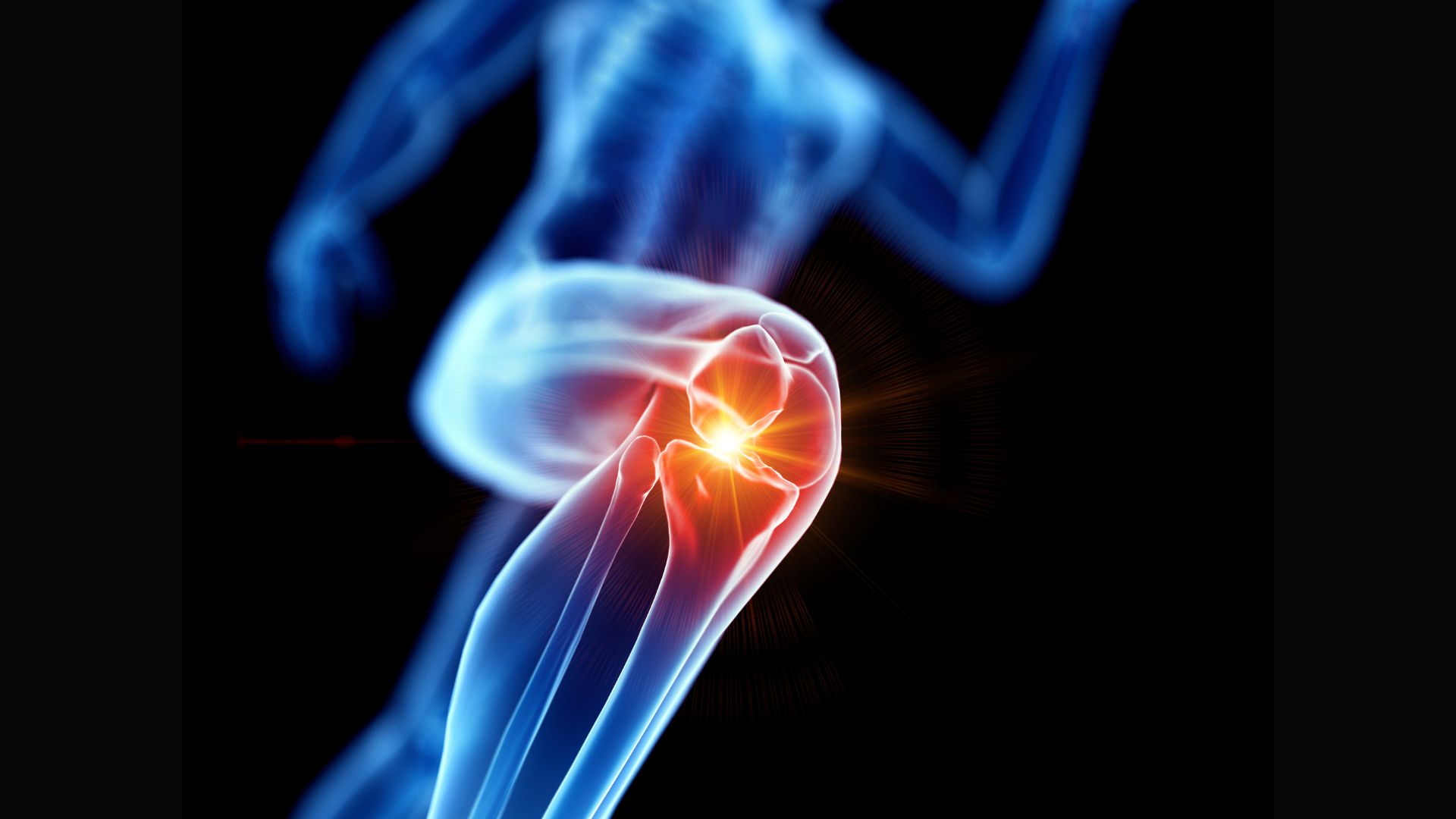
Often, the patella is tilted and sits in the knee the way a beret rests on the side of one’s head, thus the term “squinting
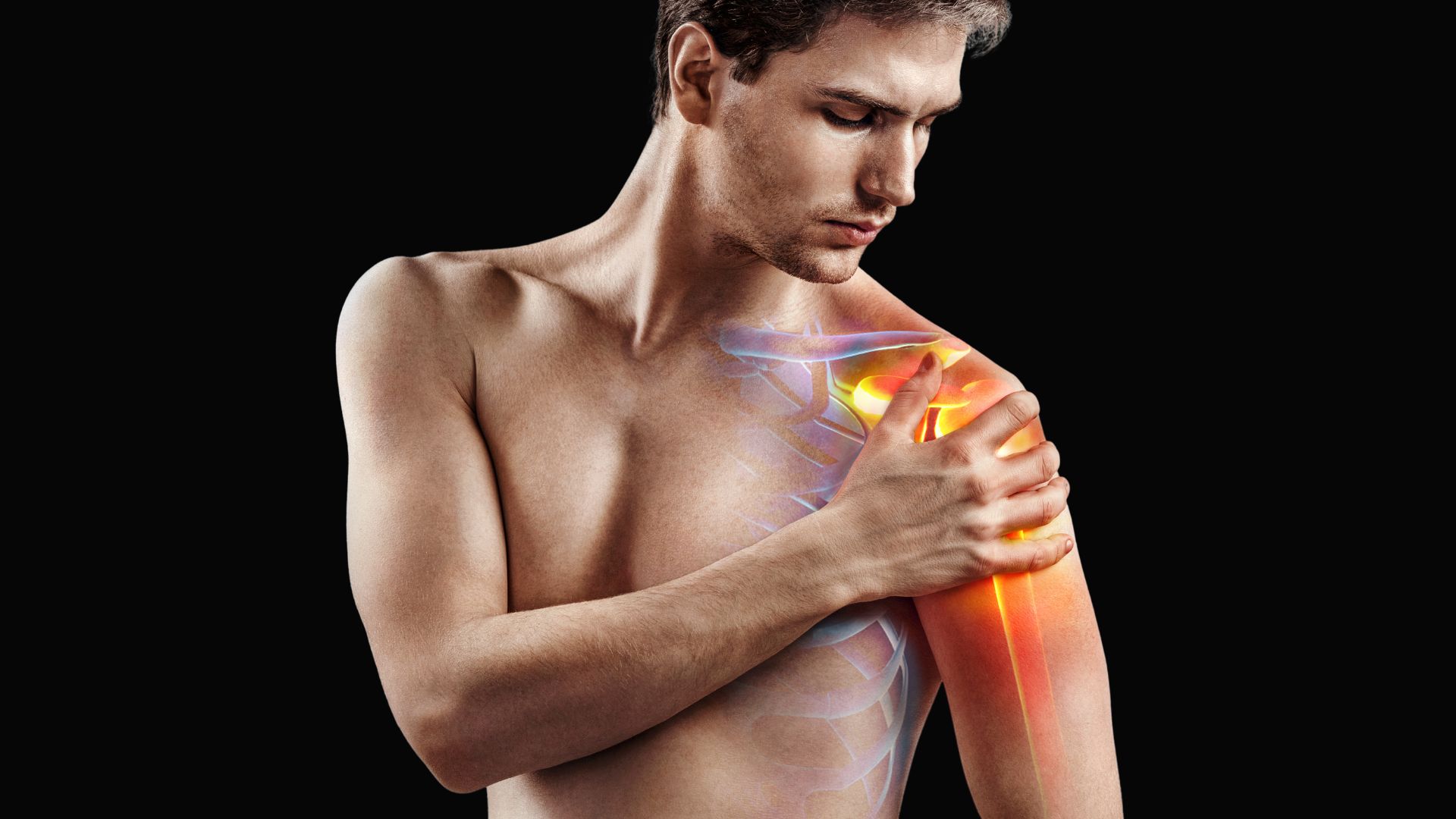
The term Arthro (joint) Kinetic (motion) Reflex was coined by University of Pittsburg researchers to describe how sensory input from joint movement reflexively activates or inhibits muscles – and no other place in the body is this concept more applicable than in the joints and connective tissues of the shoulder girdle.
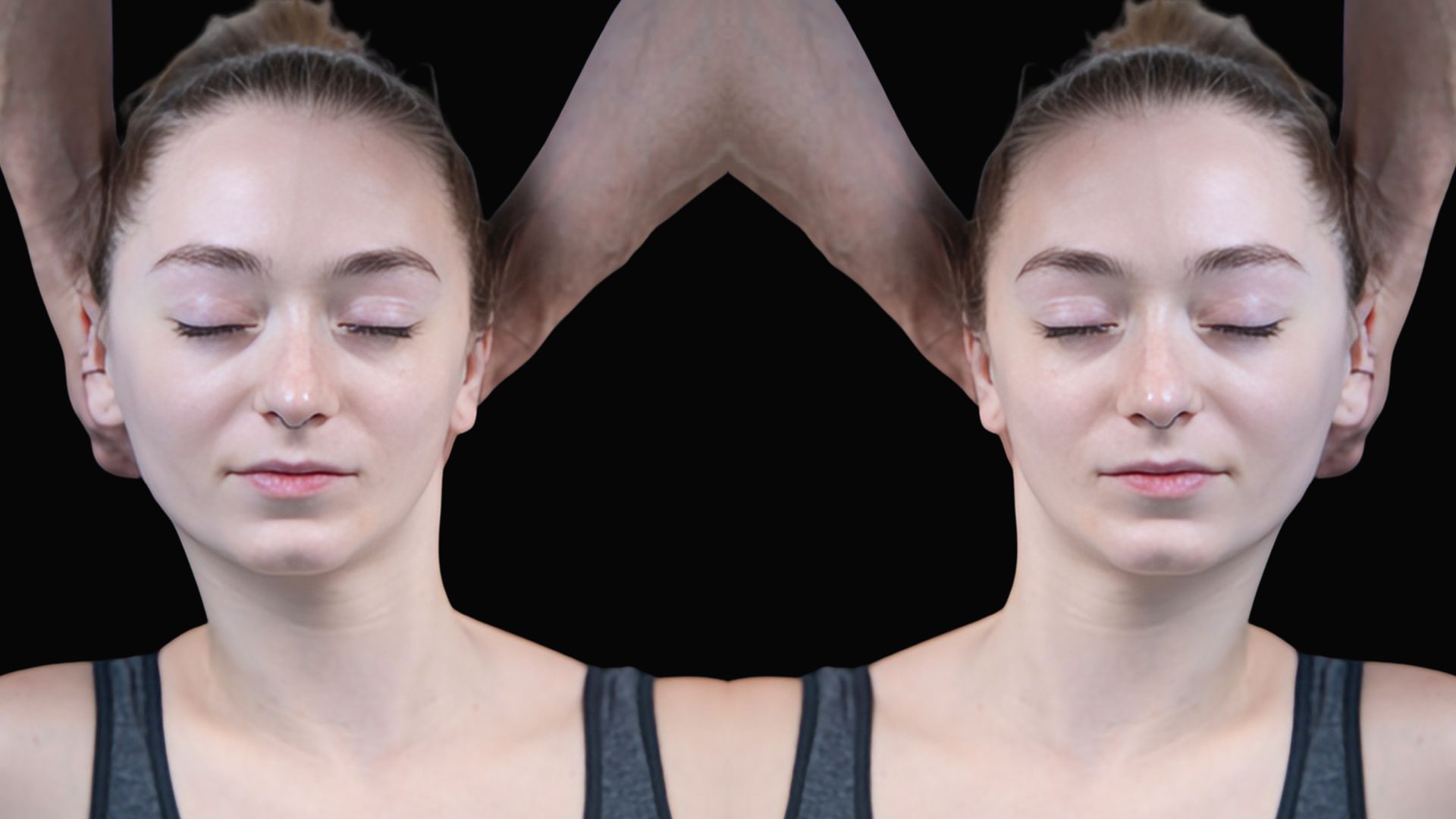
Undulation is the bi-directional lateral flexion of the spine observed in reptiles and humans. The intent of undulation is to reawaken the brain-body connection by inducing smooth, rhythmic motion through all spinal segments. This undulating mobilization technique is a valuable tool to use with your clients. Click here to watch a video and learn more.